
Selling a home isn’t just about putting up a listing and waiting for offers to roll in. It’s about creating that moment when a buyer walks through the door and thinks, “I could see myself living here.” The best home staging ideas can help turn an ordinary space into one that feels warm, inviting, and memorable. And those small changes can make a big difference when buyers are deciding which homes stand out.
Find an Agent Who Can Help You Stage Your Home
An experienced agent will understand the value of staging, provide DIY tips, and refer you to the best staging experts in your market. HomeLight can connect you with a top-performing agent near you.
According to HomeLight’s Top Agent Insights for Spring/Summer 2026 report, move-in ready spaces are the top feature helping homes attract buyers and sell faster. From rearranging furniture to adding simple touches, small changes can make a big impact. And the best part is that you don’t need a complete makeover or a huge budget to create a space buyers can picture themselves calling home.
To help you transform your space, we’ve scoured the internet, talked to a few top real estate agents and professional stagers, and boiled everything we learned down to eight essential home staging ideas that are both easy to do and proven to attract buyers.
1. Clean your home inside and out before you stage it
The outside of your home is the first thing potential buyers will see. If your home’s exterior looks dirty and worn, odds are your buyers will expect the inside to be that way too.
To quickly boost the curb appeal of your home:
- Power-wash your siding.
- Clear the gutters.
- Manicure your lawn.
- Wash the windows.
- Replace your house numbers.
The goal is to make it as easy as possible for potential buyers to love your home at first sight.
After you’ve tackled the outside of the house, be sure to apply the same care and attention to the inside of your home.
Consider hiring a cleaning company to do a deep clean to make sure that all of the forgotten places are accounted for, including the grout, moldings, and the hard-to-reach crevices between appliances.
If you need help finding a good cleaning company in your area, check out Molly Maid, Angi, Yelp, and Thumbtack for local recommendations.
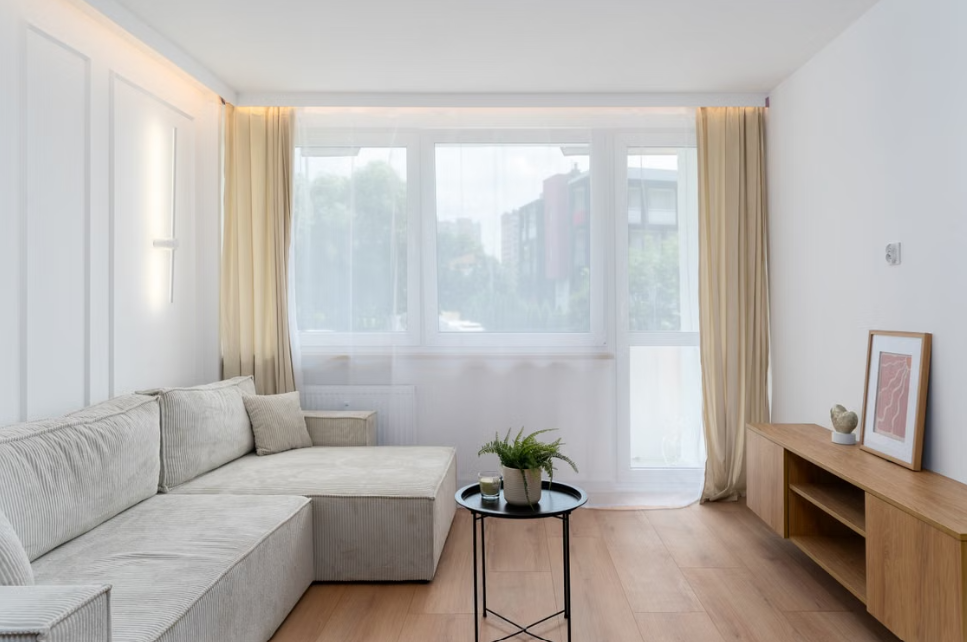
2. Declutter and depersonalize
Read through almost any home staging post on the web, and you’ll find that real estate agents and professional stagers recommend decluttering and depersonalizing a home.
When potential buyers come into your home, they want to feel like they have counter space, storage space, and square footage to work with. Basically, they want to see a home that has the potential to fit their lives and their needs.
If they see lots of knick-knacks on the mantle, a crowded medicine cabinet with every perfume you own, or a wall covered in family portraits, they will envision your life in your house, not their life in theirs.
To declutter and depersonalize:
- Clear off countertops and other surfaces.
- Take down your personal photos.
- Get rid of excess furniture.
- Remove signs of daily routines.
- Organize closets and storage areas.
- Don’t overlook small clutter spots, such as entryways and console tables.
 Source: Mateusz Pielech / Pexels
3. Show off your closets and storage
The more items you have in your closets, the less likely it is that you have storage space for the potential buyer to work with. Do some rearranging to show off the amount of closet and storage space you have in your home.
To showcase your closet and storage space:
- Take most of your linens out of the linen and towel closets.
- Remove all of your clothing from your bedroom closet and do a deep clean.
- Purge clothing to create breathing room in your closet. Hanging clothes should have a good 1/2 inch (at least) between hangers, and folded items should not be stacked more than three feet high. If you choose to keep what you’ve purged, store it at a friend’s house, or put it all in a low-cost storage facility.
- Replace clear clothing bins with opaque or solid-colored ones to make the closet look more streamlined. You want to see what your clothing and accessories look like, but potential buyers do not.
- Put away all of the little extras. Take out your belts, odd pieces of jewelry, suspenders, etc. and put them away in drawers.
- Let the light in. You want the potential buyer to see all that your closet has to offer. So, change faulty light bulbs and replace ugly or damaged fixtures.
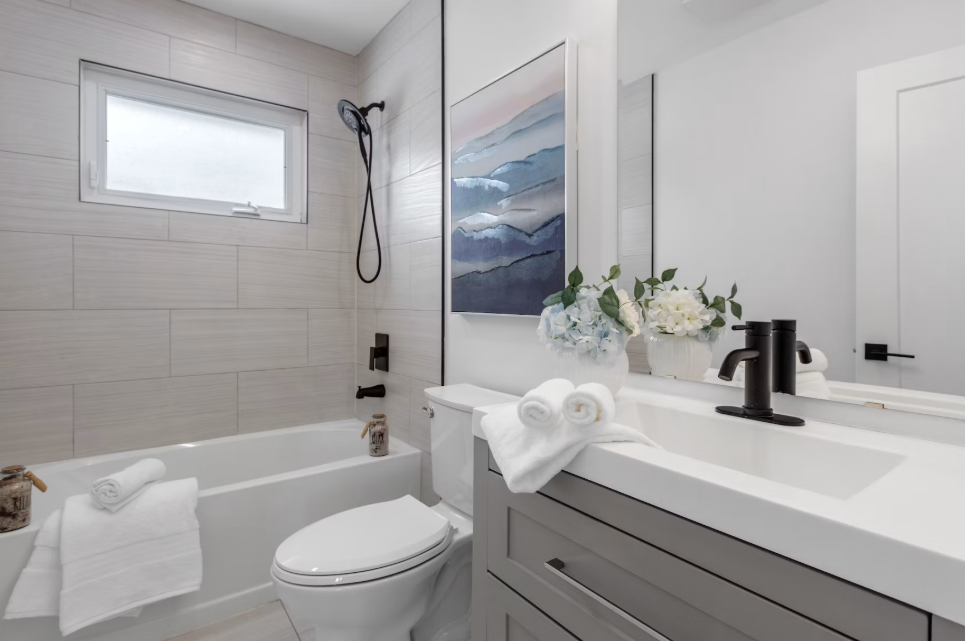
4. Balance the ‘clean’ and ‘lived-in’ look with everyday items
Removing clutter and personal items helps buyers focus on the home’s best features, but don’t go so far that every room feels lifeless. A completely bare house can make it difficult for potential buyers to visualize where they’d place their furniture and how they’d use each space.
As you’re cleaning and organizing your home, make sure to leave a few everyday home items out on display.
We recommend home items like:
- Cookie jars: Nothing makes a home feel cozier than the sight of fresh cookies waiting in the kitchen. A cute cookie jar can add a little warmth and charm to the space.
- Soap: A simple bar of nice-smelling lavender soap on the bathroom counter can make the space feel clean, relaxing, and inviting.
- Produce organizer: A bowl or organizer filled with fresh fruits and vegetables can add a pop of color to your kitchen. It might even spark a conversation about nearby farmers’ markets and what makes your location special.
- Spice rack: A neatly arranged spice rack can help buyers picture themselves cooking, hosting, and making memories in the kitchen.
- Bathroom towels: Fresh towels and neatly arranged linens add a spa-like touch to the bathroom and make the space feel more polished and welcoming.
 Source: Point3D Commercial Imaging Ltd. / Unsplash
5. Choose a neutral paint color
Put a fresh coat of paint on your walls, but not just any old paint or color. Potential buyers don’t want to come into a house that’s painted an alarming red or an uncommon blue. They want the color of the walls in their home to be neutral and easy to match when they decorate.
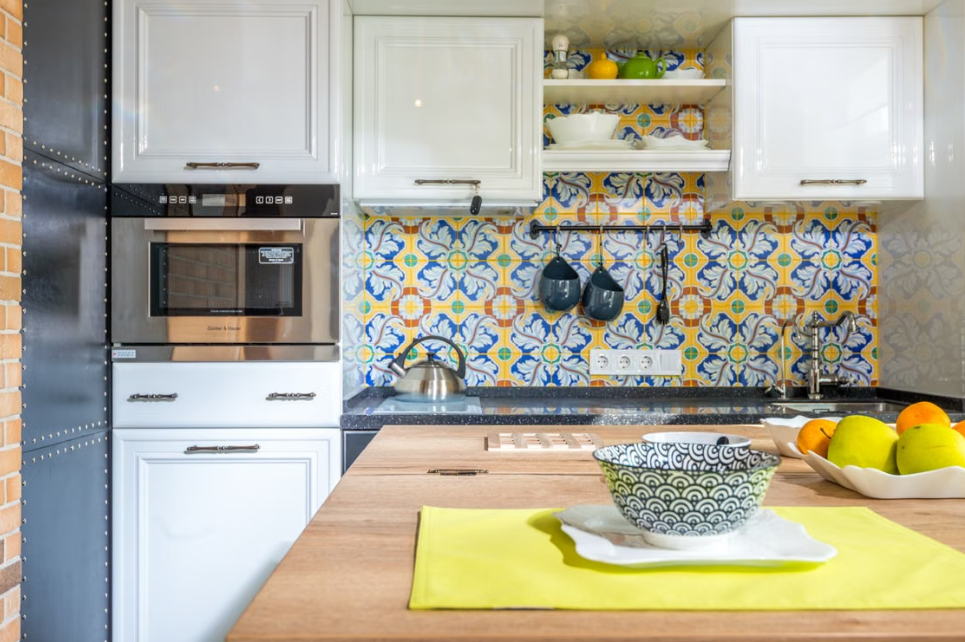
6. Use decor to add pops of color
Once you’ve painted your walls in neutral hues, it’s time to add a few subtle pops of color to bring the space to life. Think of your walls as the blank canvas that sets the stage for buyers to imagine their dream home. A neutral backdrop helps them see the possibilities, while carefully chosen colorful accents can add warmth, personality, and that extra wow factor.
Accent colors can do more than just brighten up a room. They can also create a more positive and inviting feeling. Small pops of color help keep buyers engaged and energized, which is exactly the mood you want to create during a showing.
Shades like reds, greens, and blues can create a nice contrast while adding warmth and personality to the space. Try adding colorful accessories like pillows, artwork, or pottery to stand out against your neutral walls.
 Source: Max Vakhtbovych / Pexels
7. Let in natural light
You want all the cleaning, decluttering, and rearranging you’ve done to actually shine, and good lighting can make all the difference. A beautifully staged room can still fall flat if buyers walk into a dark, gloomy space, so make sure to let in as much natural light as possible.
Sunlight is one of the easiest ways to make a home feel brighter, bigger, and more welcoming. It can help create a happier, more positive atmosphere, making it easier for buyers to imagine themselves enjoying the space.
Open the curtains, pull up the blinds, and let that sunshine in. Skip heavy, dark drapes and bulky blinds that can make a room feel smaller or darker. Instead, show off large windows and beautiful views by using sheer curtains or leaving the windows uncovered.
If you have a big window, make it the star of the room by arranging furniture around it and creating a natural focal point. If you don’t have many windows or are working with a smaller space, hang a mirror across from your biggest window to bounce light around the room and make the space feel brighter and more open.
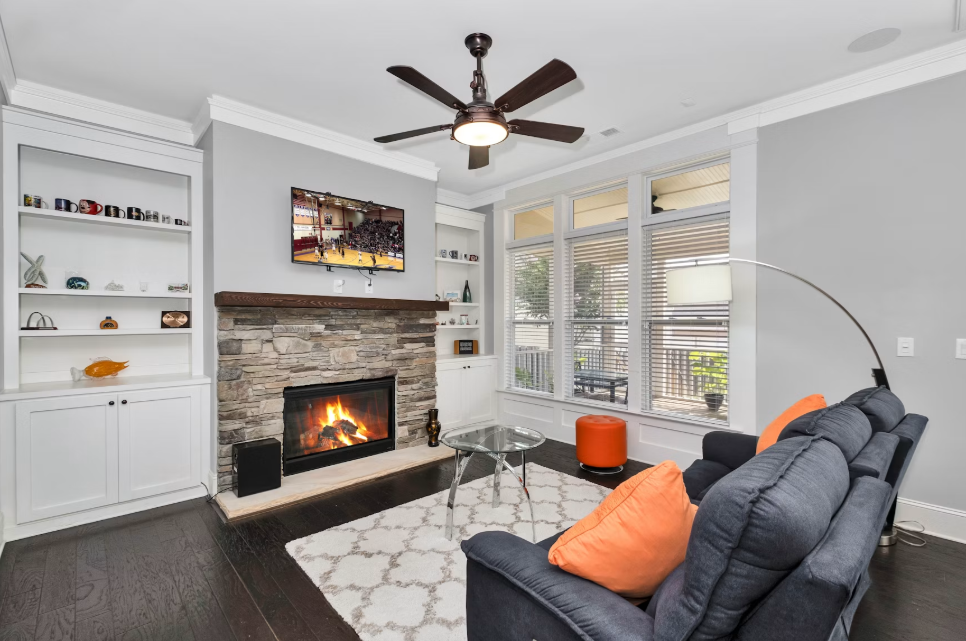
8. Use focal points to draw attention to the unique aspects of your home
A focal point is a piece of furniture, a feature of the home, or a piece of artwork that naturally catches your eye when you first enter a room. It’s the standout element that grabs your attention and often defines how the space is used, whether it’s a television in the den, a fireplace in the living room, or a window with a stunning view.
Focal points are important because they draw attention to the most attractive and unique features of your home. They help guide buyers’ eyes to the spaces and details you want them to notice first.
Once you’ve identified your focal points in each room, place your furniture symmetrically around the area to catch your potential buyers’ attention. For example, if your focal point is a fireplace, place your couch directly in front of it and have chairs on its flanks. This brings the focus to the fireplace and signals that this house is special because of its fireplace area.
 Source: Zac Gudakov / Unsplash
»Learn more: A well-staged home starts with understanding its size and layout. Try our Square Footage Calculator to see your home’s dimensions and create a space that feels open, balanced, and buyer-ready.
Staging for success
Staging a home doesn’t have to mean mastering complicated feng shui rules or spending thousands on expensive upgrades. Sometimes, simple changes based on your home’s style and the buyers you’re trying to attract can make a huge difference when it comes time to sell.
With buyers scrolling through countless listings online before ever visiting a home, first impressions matter more than ever. A well-staged home can be what convinces someone to book a showing, and it helps them picture what life could look like in the space.
Great staging is all about telling a story. It’s not just about making a home look pretty, but rather, it’s about creating a warm, welcoming feeling that makes buyers think, “I could see myself living here.”
To make sure your home makes the right impression from the start, consider partnering with a local real estate agent who can help you stage strategically, attract the right buyers, and get the most value from your sale.
Stage Smart, Price Right
A beautifully staged home can make a strong impression, but the right price is what turns interest into offers. Use HomeLight’s Home Value Estimator to understand your home’s potential value and make a confident pricing decision.
Frequently asked questions (FAQs) about home staging
You don’t need to spend thousands to make your home look buyer-ready. Start with simple updates like decluttering, rearranging furniture, adding fresh linens, improving lighting, and using items you already own in a more intentional way.
Avoid over-personalizing the space, cramming rooms with too much furniture, or making expensive upgrades that don’t add much value. The goal is to help buyers picture themselves living there, not distract them with your personal style.
Focus your efforts on the spaces buyers pay the most attention to, especially the living room, primary bedroom, and dining room. According to the National Association of Realtors’ Profile of Home Staging report, these were the most commonly staged rooms, with the living room at 91%, the primary bedroom at 83%, and the dining room at 69%.
Yes, staging can help buyers connect with a home and imagine themselves living there. The NAR’s Profile of Home Staging found that 83% of buyers’ agents said staging made it easier for buyers to visualize a property as their future home.
The cost depends on how much help your home needs, but professional staging typically runs about $1,500 to $4,000 for the first month, plus $150 to $1,200 for each additional month. The final price can vary based on your home’s size, the number of rooms staged, and whether furniture rentals are included.
Header Image Source: (Pxhere)





 English (US) ·