On July 11, the 21st Century ROAD to Housing Act became law without President Trump’s signature. The legislation focuses on expanding supply, modernizing housing programs and reducing barriers that have historically slowed development. It’s an important move toward increasing the number of homes we build. But as important as new construction is, another question deserves equal attention: What happens to the housing we already have? Preservation is becoming as urgent as new construction Across the country, much of the existing workforce housing stock is aging. Many of these communities were built decades ago and now require significant reinvestment to remain safe, efficient and financially viable. The nation’s rental housing is now older than at any point on record, with a median age of 45 years, according to Harvard’s Joint Center for Housing Studies. At the same time, owners face rising insurance costs, heavier regulatory requirements, higher borrowing costs and slowing rent growth in many markets. Building new housing is critical, but preservation is equally important. From where I sit, working on transactions that routinely blend private capital with federal, state and local hou...
Opinion: The capital structure solution hiding inside the housing crisis
 1 month ago
41
1 month ago
41
Related


What It Really Costs to Live in Macklemore’s Neighborhood
17 hours ago
4

Should I Sell or Rent My House? Here’s How to Decide
20 hours ago
4
We Buy Houses Royal Oak: 5 Top Companies
1 day ago
5
Popular
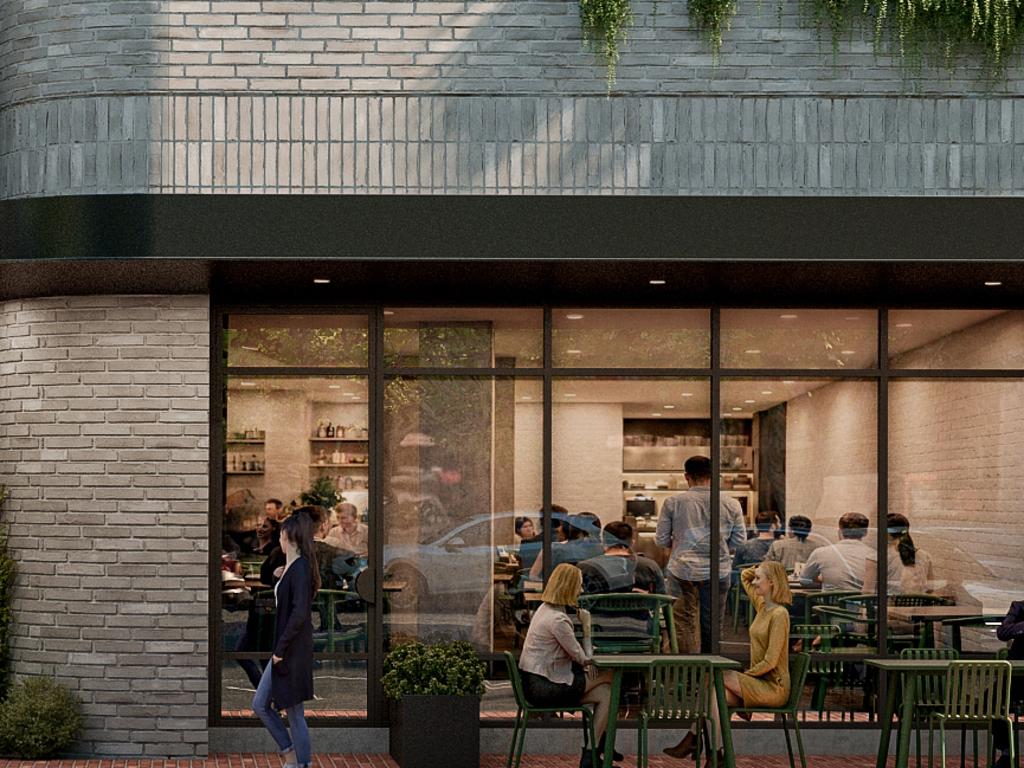

TWO wins final regulatory approval for CCM deal
3 weeks ago
50


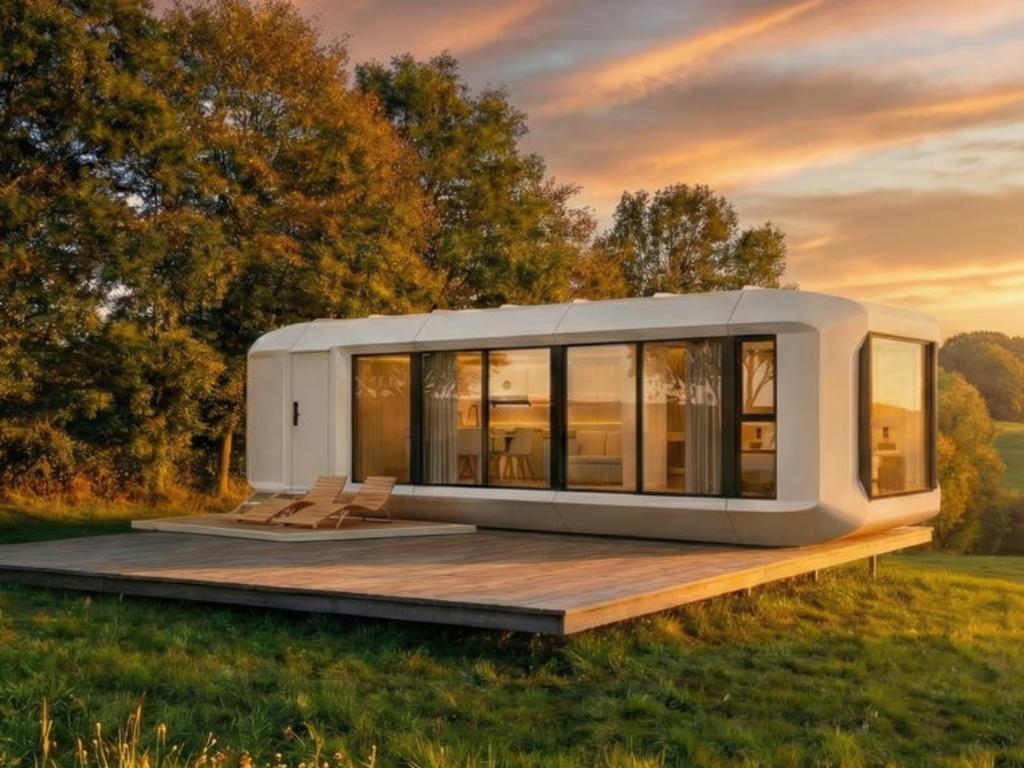
Hi-tech pods the future of luxury granny flats
4 weeks ago
46

Mark Zuckerberg buys an Irish castle
3 weeks ago
46


Real names Jenna Rozenblat president of Real REMAX Group
4 weeks ago
46
 English (US) ·
 © Clint's Real Estate 2026. All rights are reserved
