
For generations, people have tried to forecast Texas’s growth using highway maps, demographic models, employment projections and subdivision starts. All of that is helpful data. But there may be a simpler way to see where Texas is headed next. Look at where Texas started Texas did not develop as a single, continuous suburban blanket spreading outward from Dallas, Fort Worth, Houston, Austin and San Antonio. Instead, it grew as a collection of solar systems. In North Texas, Dallas and Fort Worth became the suns. Around them sat a first ring of real towns, many of them county seats, with courthouses, schools, churches, merchants, banks and downtowns that predated any master-planned community with a monument sign. Then came the smaller towns orbiting those county seats. For more than a century, that arrangement worked because it had to. A county seat was the local hub for government, commerce, medicine, education and social life. Roads led to it. Farmers traded there. Lawyers argued there. Bankers lent there. And on Friday nights, everyone knew where the lights were on. Today, the Dallas-Fort Worth metropolitan economy has grown large enough to reconnect those old dots. That may be on...
Related



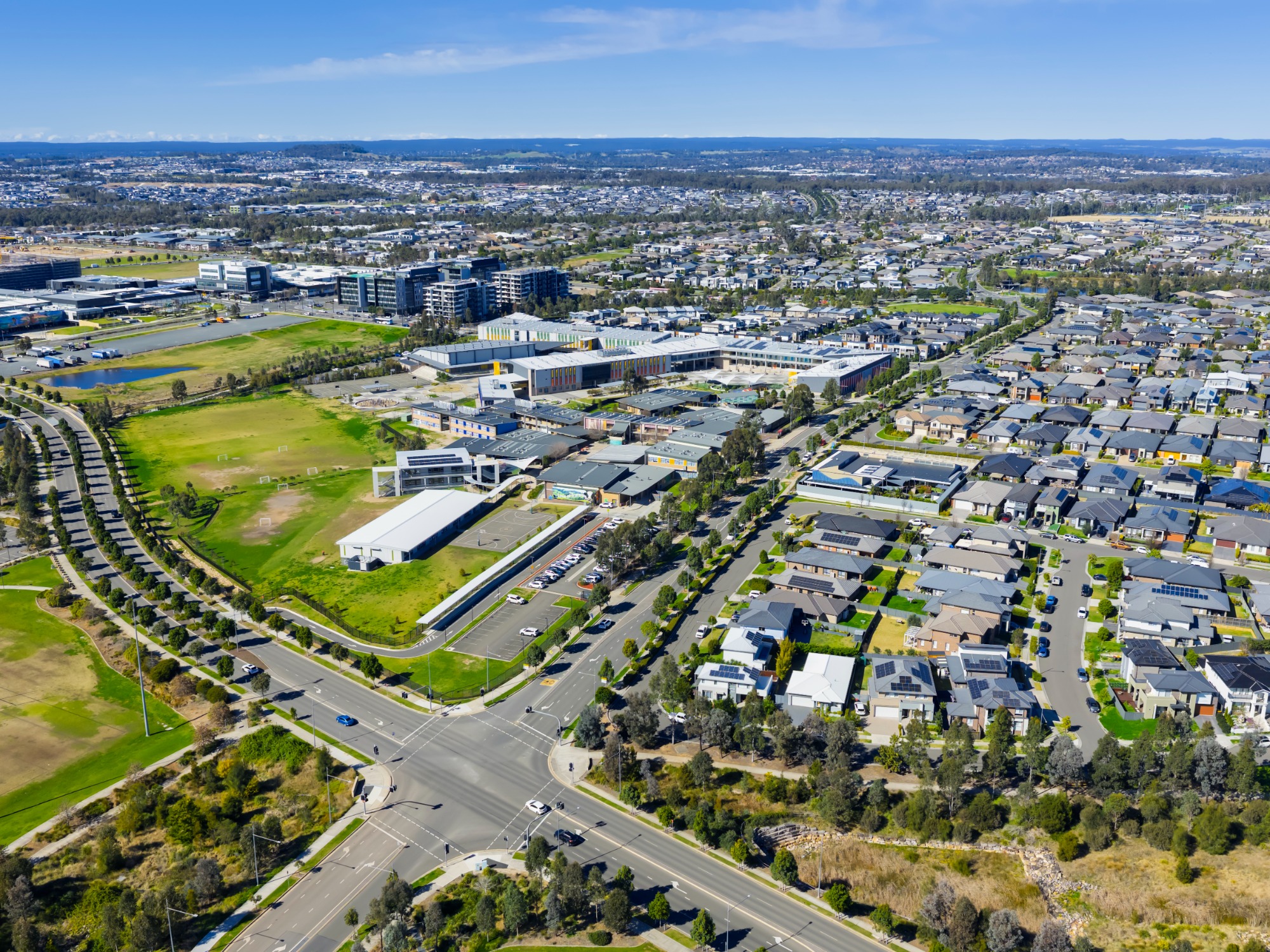
Where master-planned living is booming across Australia
10 hours ago
3

Phillip Island Block home sells $2.2m below Portelli
11 hours ago
4


Popular

TWO wins final regulatory approval for CCM deal
3 weeks ago
49


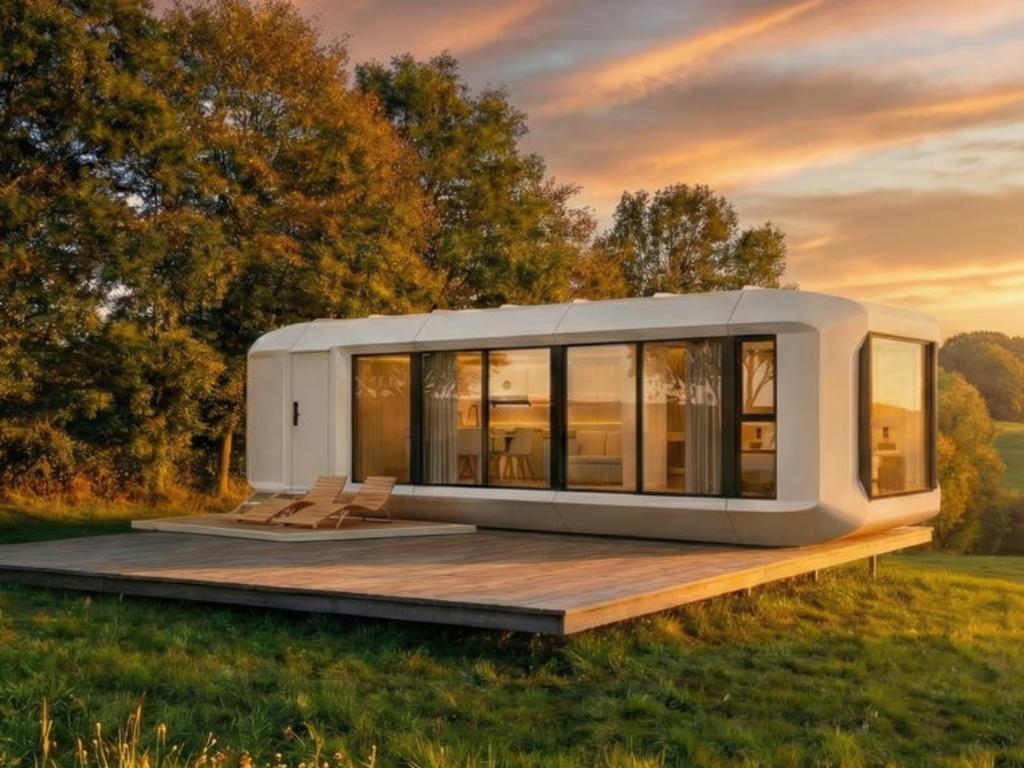
Hi-tech pods the future of luxury granny flats
4 weeks ago
46

Mark Zuckerberg buys an Irish castle
3 weeks ago
46



Real names Jenna Rozenblat president of Real REMAX Group
3 weeks ago
46

 English (US) ·
 © Clint's Real Estate 2026. All rights are reserved
