
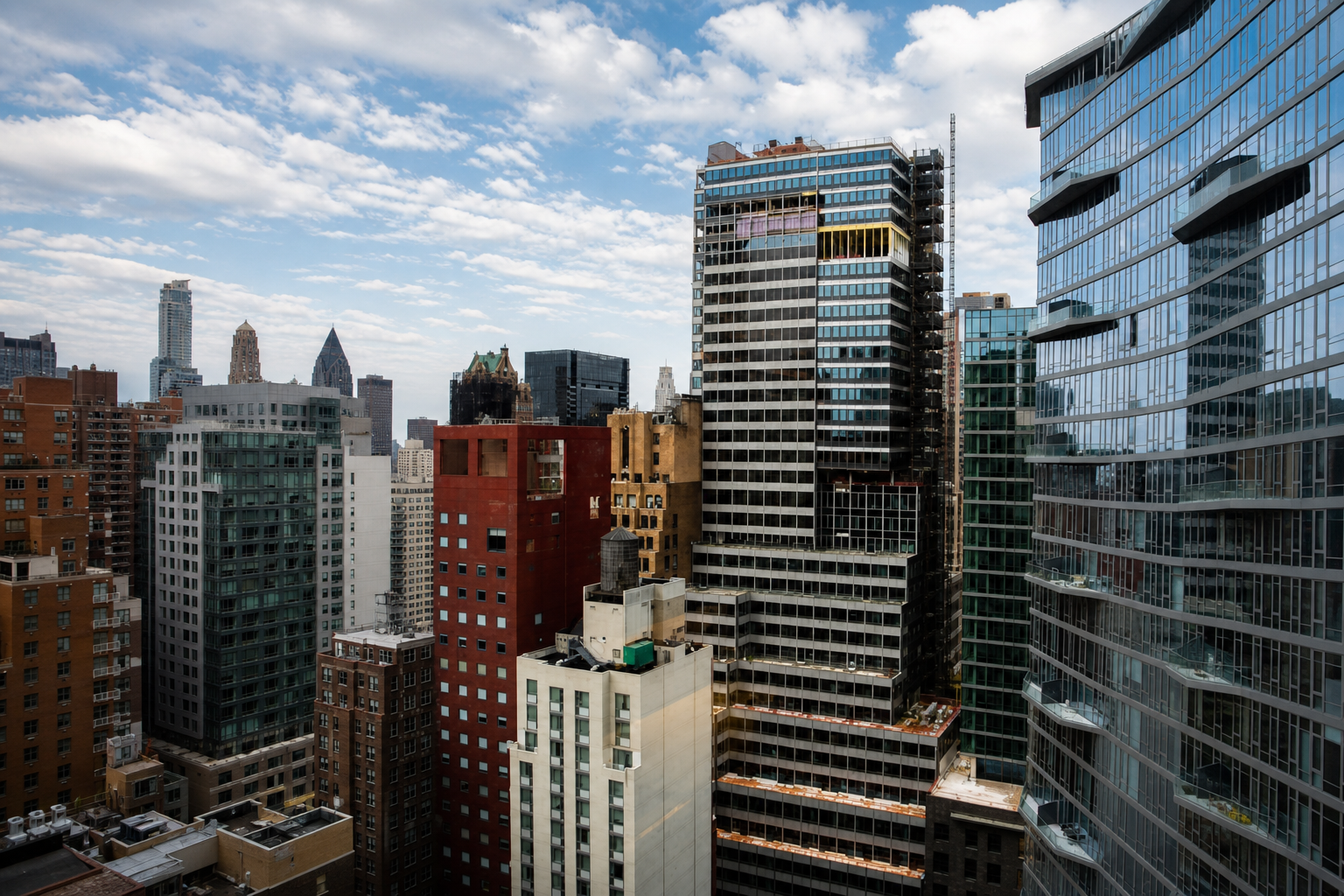
Housing construction costs are part of the biggest measure in the CPI.
ANALYSIS
Murmurs of a rate cut are growing after the latest ABS inflation numbers were released.
Today’s data showed the consumer price index (CPI) for May has fallen month on month to hit 4 per cent.
MORE:Rent crisis sees thousands of homes vanish from market
This represents the second straight month of falls.
The hot air balloon of inflation that has been soaring overhead for months now has begun to descend. It’s coming down slowly for now, but if it picks up pace, the RBA may need to blast a short burst on the bellows in the form of a rate cut here and there to stop it from being a rough landing.
Bring her down easy Governor Bullock. Picture Mike Batterham
Should unemployment numbers out tomorrow see another rise from the 4.5 per cent they hit in April, the case for a cut will strengthen, as the central bank walks the tightrope between stubbornly high inflation and a looming recession.
Last month, the headline CPI came in at 4.2 per cent, which was a solid fall of 0.4 per cent from the March numbers.
An uncomfortable number
While headline inflation is headed in the right direction, the RBA will be concerned by its preferred indicator, the trimmed mean. This measure takes out some of the more volatile items in the inflation basket, such as fuel. In May, trimmed mean inflation rose to 3.6 per cent, up from 3.4 per cent in April, which was in turn up 0.1 per cent from March.
This number is travelling in the wrong direction and poses a significant problem. The central bank really needs to see this begin to reduce and head back towards its 2-3 per cent preferred target band.
MORE: Major banks split after interest rate warning
Volatile categories such as fuel are stripped out of the trimmed mean inflation numbers. Picture: William West
The main measure
Housing is the most heavily weighted category in the overall CPI basket, accounting for more than 20 per cent of the overall inflation measure.
This month the number came in at 6.5 per cent, returning to where it was in March, after falling to 6.3 per cent in April.
At the time, it was a much needed reversal after many months of significant increases to spending on housing.
MORE:House prices to fall $50k in shock forecast
The difficult factor is that housing as a category doesn’t measure house prices, which have been coming down. It is largely made up of constructions costs and asking rents.
House prices aren’t included in the CPI measure.
Construction costs remain prohibitive and asking rents are tipped by some to continue to rise on the back of a dwindling supply, potentially intensified by the passing of the federal budget tax measures in the senate.
This month on month increase could be the beginning of a new problem for the RBA, which may be thankful that there will be another full month of data released before its next cash rate decision in August.










 English (US) ·