
The Great Australian Dream used to be about securing a quarter acre block and enjoying a big backyard with a Hills Hoist and a couple of gum trees. Now that once-modest 1000sqm parcel has become a potential cash cow.
With housing shortages, rising land values and a growing demand for medium-density homes, subdividing large blocks has become a popular - and lucrative - wealth-building strategy.
It seems simple on paper; buy a large lot, carve it up, build another home or duplex, and cash in.
In reality, however, property professionals say the strategy can be more of a money pit than a get rich quick scheme if purchasers don’t have the right team beside them.
Financing can quickly derail a project
Nick Lim, founder of Switchboard Finance, said one of the biggest misconceptions when subdividing is that creating an extra title instantly doubles value.
“I had a client last year who bought a corner block, got the subdivision approved, and rang me stoked. Then his bank revalued and his equity had gone backwards,” Mr Lim said.
“Everyone thinks subdividing unlocks equity. For the first year or two it does the opposite. It locks it up.”
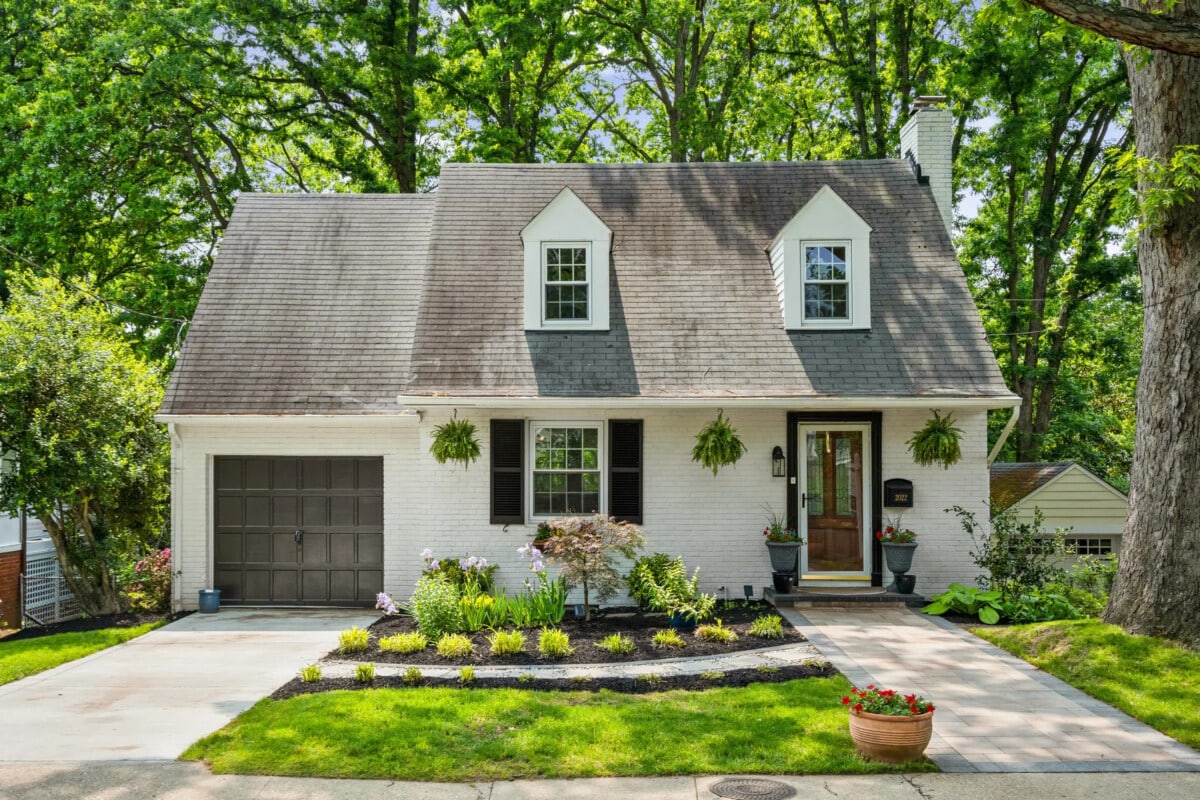
Many properties are listed with subdivision potential, but experts say it's not necessarily a path to riches. Picture: realestate.com.au
Lenders often view vacant land as riskier than an existing home, so borrowers could find themselves with reduced borrowing capacity to go ahead with their build.
“A house on a big block is the easiest security a bank can hold. Split it, and now you're holding vacant land, and banks discount vacant land hard. Same dirt, less money. Two titles doesn't mean two assets.”
Subdivision can also trigger loan conditions many borrowers never considered.
“Splitting the title is a credit event. Your standard home loan wasn't written for it. Your bank holds the property as security, so many loan contracts require the lender’s consent before you lodge anything,” he said.
“Budget also for the invisible costs, 12 to 18 months of interest while the block earns nothing, and GST on the sale. A subdivision isn't a property purchase, it's a small development.”
Crunch the numbers for today’s market
Buyers are often drawn in with a listing that promised subdivision potential (subject to council approval) without understanding the finished product’s appeal, said Belinda Botzolis, founding director of property valuation firm Add Valuer.
“If you don't understand where you're building, then you're not likely to understand how to add the value. People see a large site and the first thing they think is ‘I can make money because I can subdivide’ and that's not always the best solution,” she said.
Professionals say lenders will often be conservative with their valuation of a subdivided property. Picture: realestate.com.au
“And you've got to be careful that the cost of the construction can be absorbed in the final sale price, so always work backwards. Don't base your end feasibility value on last year's prices either,” she said, given that the market is softening and even slumping in some regions.
Ms Botzolis also warned banks take a considered approach when valuing developments.
“If you've never done a development before, be prepared for a valuation to come back quite conservative.
"People tell me all the time, it’s not worth this or that. But I’m not doing the valuation for you, I'm doing it for the bank. They’re taking on the risk of a project that could go bust.”
Hidden costs can quickly blow the budget
Buyer's agent and author of Set For Life, Lloyd Edge, said subdivisions are his “bread and butter”.
He explained that buyers need to pay experts to investigate slopes, sewer mains, easements, stormwater drainage, and local planning controls before assuming a subdivision is viable.
“It's never straightforward, because there are a lot of costs that eat into your profits. One of the biggest is council requirements. Not just the DA because they can be quite minimal. Even the surveyor may only charge a couple of grand. But it's what’s required that can be expensive,” he explained.
Buyer's agent Lloyd Edge, who specialises in subdivisions, said the numbers don't stack up on most potential subdivisions. Picture: Supplied
“If you're going to subdivide, you need to have services connected to the new property. One client I had discovered too late that it would cost them $100,000 just to build a driveway for the rear block, it just wasn’t worth it.”
Edge said for every 10 subdivision projects he seriously considers, he’ll usually say no to “at least eight” because the numbers don't stack up.
“Also - and without dissing real estate agents - you really shouldn't just take their word for it when you see STCA. They’re trying to sell you the property, and they'll only give you the basic information. It's not that they're necessarily being misleading or lying, they often just don’t know.”
Older homes on large blocks near amenities are often marketed for their subdivision potential, "subject to council approval". Picture: realestate.com.au
His advice is to start with a copy of the Development Control Plan found on council websites, as well as the Local Environmental Plan. Then talk to a town planner, a surveyor, an architect and a builder.
“I cross check with all the professionals I can think of. And depending on the state, you can use your cooling off period to make inquiries and actually move forward with the property without being locked in unconditionally,” he said.
Despite the scrutiny potential subdivisions need, and the sluggish state of today’s property market, Mr Edge said there is money to be made.
Experts say buyers should be conservative with their calculations, especially in a falling market. Picture: realestate.com.au
“It's a buyer's market and it's a good time to buy. If you can get a good deal on the land, that'll save you and help with your overall numbers. It really can be quite lucrative.”




 English (US) ·