
Imagine being slugged with a six-figure fine for simply parking your car on your own property.
It sounds like a dystopian nightmare but for Florida homeowner, Zenaida “Sandy” Martinez, the outrageous scenario is a grim reality, and it’s sparking plenty of outrage across the globe.
In a decision that has left property owners aghast, the Florida Supreme Court recently declined to hear Martinez’s appeal, effectively upholding a staggering bill of over $100,000 in outstanding fees.
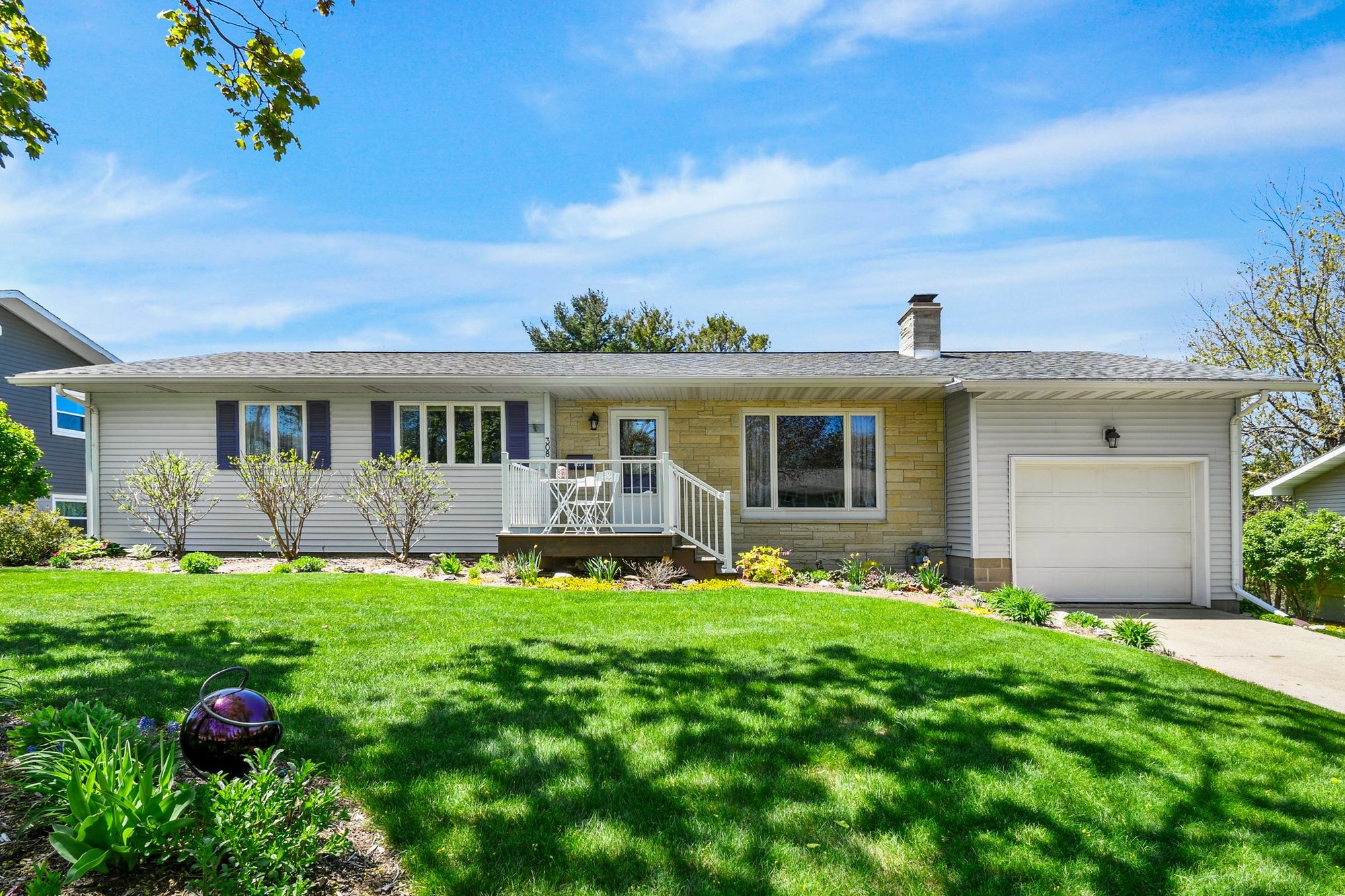
Her ‘crime’? Parking with two tyres partially covering the grass on her own driveway.
Martinez initially launched a complaint against the city of Lantana, Florida, in February 2021, after being hit with an eye-watering $247,354 (US$165,000) in total “for trivial code violations.”
MORE NEWS
Top scientist unveils plan for floating Aussie cities
Block star reveals surprise new chapter
Sad pictures show Edelsten’s property decline
A single mother in Florida has been drawn into a fine drama worth an eye-watering $247,354 (US$165,000).
A colossal $149,912 (US$100,000) of that sum was primarily for the aforementioned parking ‘infraction’, with an additional $89,947 (US$60,000) tacked on for two minor cosmetic breaches.
To put this into perspective, the fines are “almost four times more than Sandy earns in an entire year,” according to court documents.
The Institute for Justice (IJ), a public interest law firm representing Martinez, highlighted the sheer absurdity of the situation.
Martinez lives with her two adult children and her sister, all of whom own cars to get to work or school.
When all four vehicles are parked, “sometimes one of them would have two tyres on the lawn.”
MORE NEWS: Hollywood icon faces eviction over $90k rent debt
The reason was cars that were partly parked on their own lawn.
For this seemingly innocuous act, the city levied a penalty of $375 (US$250) a day for a mind-boggling 407 consecutive days.
While Florida Statutes permit cities to issue code enforcement violations of up to $375 (US$250) per day for first-time offences, the IJ argued that Lantana’s $247,354 (US$165,000) in fines flagrantly violates the Excessive Fines Clause of the Florida Constitution.
“Six-figure fines for parking on your own property are shocking,” stated Ari Bargil, a senior attorney at IJ.
“The Florida Constitution’s Excessive Fines Clause was designed to stop precisely this sort of abuse – to prevent people from being fined into poverty for trivial violations.”
Despite the compelling argument, Martinez’s initial case was rejected, and her subsequent appeal to the Supreme Court of Florida in May 2025 was met with a refusal to hear the case on Monday, December 22.
MORE NEWS: AI defies experts with bold 2026 rate cut forecast
Six people live in the same household, four of them drive a car. When everyone parked in the driveway, a car with two wheels ended up on the grass.
“The court’s refusal to hear Sandy’s case and clarify the constitution’s protections from run-away government fines is a disservice to all Floridians,” Bargil lamented.
Martinez herself voiced her profound disappointment and anger:
“It’s outrageous that the Florida Supreme Court won’t consider whether the constitution protects Floridians from ruinous fines. Cities shouldn’t be allowed to wreck lives over trivial violations.”
While Florida’s homestead exception currently shields Martinez from foreclosure, the IJ warns that these astronomical fines “effectively rob Sandy of the equity she has built up in her home and make it practically impossible to sell and afford another home.”
Thankfully in Australia, councils are less intense when it comes to parking your car within your own property bounds.
While you can be fined for parking on nature strip or grass verges, which is generally an offence under Australian Road Rules, councils tend to show leniency for residents parking safely on their own strip.
However, police or council officers can issue fines for obstructing public space, damaging infrastructure, or creating hazards, with penalties differing by state and local area.
When it comes to parking a car within property boundaries, there are no rules where a vehicle may be stationed.






 English (US) ·