
New home starts have hit a low at the end of the National Housing Accord’s first year, but industry leaders say reforms are creating momentum.
New data from the Australian Bureau of Statistics revealed a total of 45,156 new homes started construction during the period of quarter from March to June 2025.
There were 45,156 new home starts over the March to June 2025 quarter. Picture: Getty
The number is down 4.4% from the previous quarter, but higher than the previous year by 9.2%.
According to the data, the decline was driven by private sector new houses, which fell 6.6% to 26,074. Private sector other residential commencements rose 1% to 18,033 dwellings.
In seasonally adjusted terms, 40,524 homes were completed in the June quarter.
Among those, detached houses accounted for 27,287 of homes completed, falling 2% from March. Private new other residential completions fell 17.5% from March to 12,168 dwellings.
The numbers follow consecutive months of declining building approvals, which have prompted calls for action from industry bodies. In August 2025, the total number of homes approved was 14,744.
This data also rounds out Australia’s first year under the National Housing Accord: Australia’s goal to build 1.2 million new homes by mid-2029. To keep pace with this target from the outset, 240,000 new homes would need to be built per year, or 60,000 per quarter.
Now, according to Master Builders Australia chief economist Shane Garrett this shortfall means the country needs to build 255,300 new homes per year over the remaining period of the Accord.
“New home building finished 2024-25 on a weak note, with dwelling commencements sagging by 4.4% during the June 2025 quarter,” Mr Garrett said.
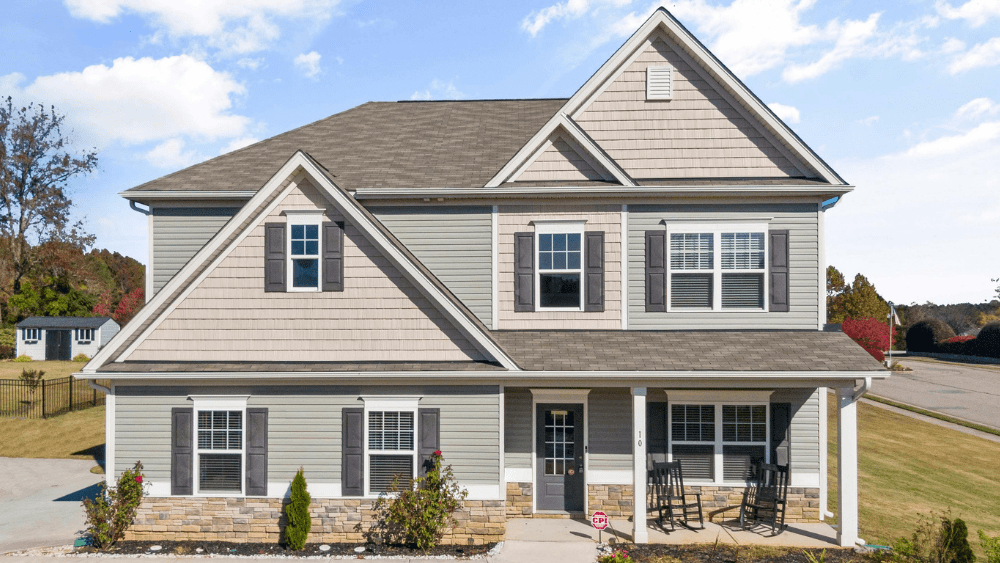
Industry bodies have said recent reforms could encourage home building activity. Picture: Getty
The Housing Industry Association (HIA) predicts the country will fall short of 200,000 homes by the end of the five-year period if it keeps the current pace, but noted recent policy reform is expected to improve the supply of new homes in the coming years.
“These reforms will take time before they deliver new homes, and much more needs to be achieved,” HIA chief economist Tim Reardon said.
“At a national level, positive reforms include the fast-tracking of Environment Protection and Biodiversity Conservation reforms and removing the lenders mortgage insurance requirement for first home buyers. Some state governments have also taken positive steps to improve supply, such as the NSW government plan to underwrite apartment sales and easing of planning barriers.”
According to Urban Taskforce Australia, the numbers show the country is “starting to turn the corner when it comes to housing supply”.
Urban Taskforce CEO Tom Forrest said while there is a long way to go in delivering more housing supply, recent reform has proved successful, especially in states like New South Wales.
“So far, we’ve seen Tier 1 and Tier 2 transport-oriented development opportunities, low- and medium rise residential rezoning, infill affordable housing bonuses, the introduction of the barrier-busting Housing Delivery Authority and the Investment Delivery Authority, the commencement of the Pre-sale Finance Guarantee, and the introduction of the Pattern Book to streamline approvals,” Mr Forrest said.
“Bit by bit, these policies are beginning to bear results.”
Are you interested in learning more about home building news? Check out our New Homes section.








 English (US) ·