
Home prices continued to rise at a strong pace across the country in November, but a jump in new property listings in some major cities and the prospect of an extended pause in interest rates is tempering price growth momentum.
The latest PropTrack Home Price Index found the national median home price increased 0.5% in November, to sit 8.7% higher compared to 12 months ago.
Home prices had been gaining pace since the start of the year, with the RBA's three interest rate cuts boosting borrowing power and cutting mortgage repayment costs.
The expansion of the federal government’s Home Guarantee Scheme in October, relatively low stock levels, constrained housing construction, and population growth have also helped fuel home price growth.
REA Group senior economist Eleanor Creagh said even with a pullback in the pace of growth last month, home prices were still growing at a solid pace.
“We've seen home prices continue to rise at a brisk pace, with some easing in the monthly pace of growth in markets that are seeing a large uplift in stock for sale in November,” she said.
“This year’s series of interest rate cuts have boosted borrowing capacities and improved sentiment, driving renewed momentum in the housing market. Continued population growth, increased investor and upgrader activity, and of course, the expanded home guarantee scheme, are also bolstering demand."
Source: PropTrack
She said while stock on market has been pretty tight for much of this year, there's been a large uplift in stock for sale in Sydney and Melbourne recently.
"I think that's playing into the easing in monthly growth that we've seen in November in both of those markets.”
Melbourne and Sydney’s median home prices grew at a slightly slower pace in November compared to previous months, up 0.2% and 0.4%, respectively.
It follows a 29.5% month-on-month surge in new property listings in Melbourne in October, and a 20.1% jump in Sydney new property listings.
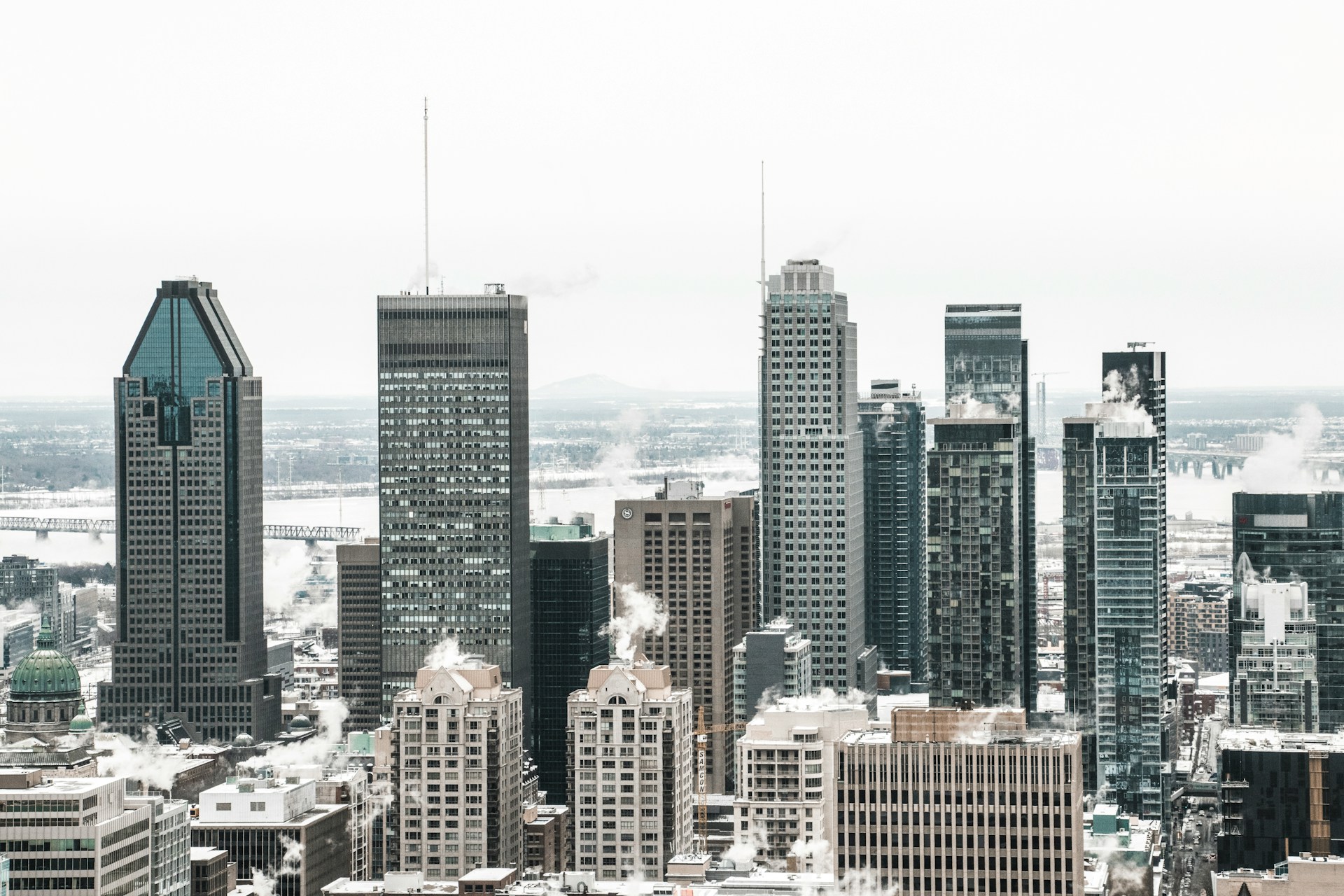
The national median home price increased 0.51% in November, and rose 8.7% over the past 12 months. Picture: Getty
That said, the total number of homes listed for sale was still lower in both major cities than at the same time last year, reflecting just how little stock has been on the market.
Adelaide leads the way
Adelaide had the strongest month-on-month home price growth in the country in November, up 0.9% for the month.
The capital city’s median home price was 12.2% higher than the same time last year.
Ray White South Australia and Northern Territory chief executive Matthew Lindblom said population growth and other factors were driving Adelaide’s home price growth.
“Adelaide's property price growth is being driven by a strong South Australian economy, low unemployment, government investment in infrastructure, and overall market confidence,” he said.
“Adelaide has also historically been a strong market for first-home buyers, and the current federal government incentives designed to help young people enter the property market are also having an upward influence on house values.”
Ray White South Australia and Northern Territory chief executive Matthew Lindblom said Adelaide had historically been a strong market for first-home buyers. Picture: Supplied
Mr Lindblom said the city’s population had reached a level where its circular economy was strong, giving people more certainty about living and investing in the city.
“Adelaide has always been in a good geographical location due to its relative proximity to Sydney and Melbourne,” he said.
“It has just taken a while for this to be recognised, but it is well and truly discovered now.
“Furthermore, with a section of the workforce now working from home permanently, Adelaide continues to be an attractive place for people to migrate to, thanks to its beaches, lower cost of living, strong education options, and overall lifestyle.”
Perth followed Adelaide with the second strongest home price growth in Australia in November, with the city’s median home price gaining 0.89% during the month.
Adelaide's median home price grew 0.9% in November, and was 12.2% higher than the same time last year. Picture: Getty
Brisbane (0.64%), Canberra (0.56%), Darwin (0.25%), and Hobart (0.16%) also posted month-on-month gains during November.
All regional markets except regional Northern Territory (-0.1%) also grew throughout November.
Australia’s combined regional property markets outperformed the capital cities last month, up 0.6% and 0.48%, respectively.
Regional NSW (0.72%) led the way out of country’s regional markets in November, followed by regional Queensland (0.59%) and rural Tasmania (0.58%).
What’s next for home prices?
Home prices are expected to continue growing into next year, but the prospect of an extended pause on interest rates and other factors will influence the pace of growth.
“Home prices will continue to rise, but momentum is tempering with the extended pause on interest rates, while all of those other factors are still supporting home buying demand,” Ms Creagh said.
REA Group senior economist Eleanor Creagh said home prices continued to rise at a brisk pace, with some easing in markets like Melbourne and Sydney where there's been a large uplift in stock. Picture: Supplied
Last week, the latest Consumer Price Index data from the Australian Bureau of Statistics revealed inflation increased 3.8% in the year to October, up from 3.6% the previous month.
The higher-than-expected inflation figures - above the Reserve Bank of Australia’s 2-3% inflation target - have largely dashed hopes for more interest rate cuts anytime soon.
Ms Creagh said Australia was likely to see an extended pause on interest rates.
“The Reserve Bank will want to see the core disinflation trend re-established before easing rates again, and underlying inflation looks to be a little stronger than it expected,” she said.
“But if we look at this easing cycle as a whole, expectations were for one or two more rate cuts and we've already seen three, so we've already seen the bulk of the easing that was going to be delivered and we've seen that reflected in the uplift in home values over the past year.
“Interest rate cuts are certainly supporting home price growth at the moment and the acceleration in price growth that we've seen in 2025, but there are other factors at play like stock on market, rental market conditions, investor activity, new housing and population growth.
“An extended pause on interest rates may temper momentum, but we're still going to see prices continue to lift, just at a slightly slower pace.”
Other factors likely to influence home prices include housing affordability, the Help to Buy scheme, and the banking regulator’s recent decision to tighten lending rules next year.
Low- and middle- income earners will be able to get more help buying their first home from Friday, when the federal government finally rolls out its long-awaited Help to Buy shared equity scheme.
Meanwhile, first-home buyers may also face tighter borrowing conditions next year, with new lending limits on high-debt borrowers potentially spurring on a rush of activity ahead of February when the new measures will be enforced.
Housing affordability will continue to put a strain on buyers, with fresh PropTrack research published last week revealing housing affordability in Australia remained near its worst level on record despite a slight improvement, with experts predicting affordability to deteriorate further in 2026.







 English (US) ·