
Barn‑inspired homes with soaring ceilings, open interiors and a relaxed, rural aesthetic could soon be on the radar for many Australians.
For anyone planning a new build, the choices can feel endless. Whether it’s a knockdown‑rebuild or starting from scratch on a vacant block, deciding what kind of home to build isn’t always straightforward.
That’s especially true as more Australians look for homes that better reflect their lifestyle, work patterns and long‑term needs.
Barndominiums may look like barns from the outside, but inside you'll find open living spaces. Picture: Getty
A "barndominium" is a style of home resonating with buyers building new, particularly in regional and semi‑rural areas. But what exactly is a barndominium, and does it make sense for Australian conditions and ways of living?
What is a barndominium?
A barndominium – sometimes referred to as “barndo” – is a purpose‑built home that takes architectural cues from traditional barns but is fully designed for residential living.
Despite the name, it’s not a converted shed. Most barndominiums are designed and built from scratch as homes.
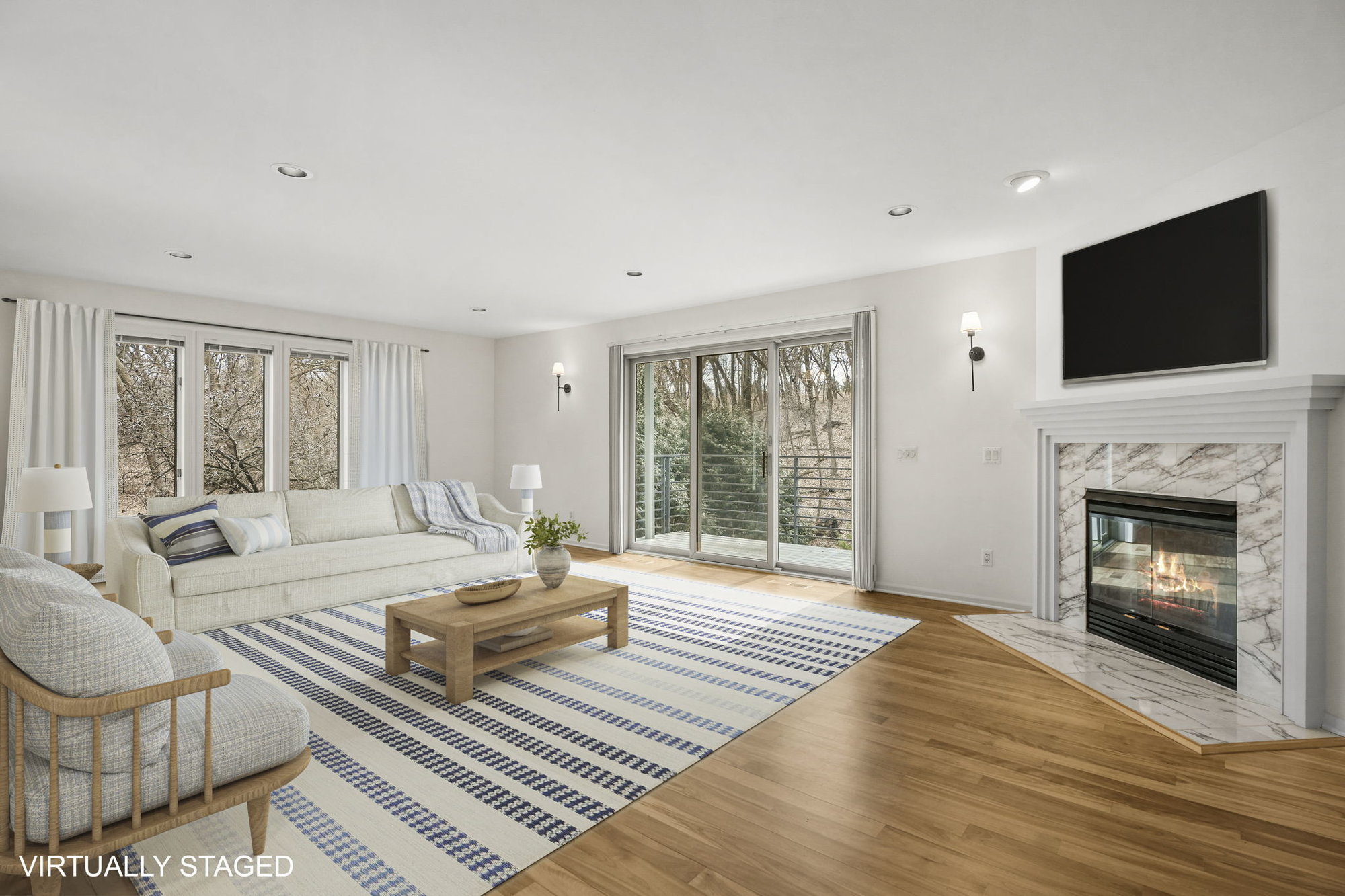
On the outside, they take their cues from agricultural architecture. They're typically rectangular in form, often with gabled roofs and materials such as steel or metal cladding. Inside, they’re known for open‑plan layouts, double‑height ceilings and large windows that flood interiors with natural light.
An acreage-style home from Metricon. Picture: realestate.com.au
The concept originated in the United States, where barn‑style homes have long been popular.
While still relatively new in Australia, a small but growing number of building companies are now offering the style, with some specialising exclusively in barndominiums.
How barndominiums are built
Most barndominiums in Australia are constructed using steel frames, which allow for large, open interiors without the need for load‑bearing walls.
External finishes often include Colorbond or other metal cladding, though some designs incorporate brick, timber or concrete to create a softer, more residential feel.
The Ashby home design by Azura Building Group. Picture: realestate.com.au
The build process can vary. Some owners choose to construct the structural shell first, then complete the interior fit‑out in stages. Others opt for full builds that deliver a finished home from the outset.
Costs and planning considerations
There is no fixed price tag for a barndominium.
Costs depend on factors such as size, materials, location, site works and the level of interior finish. While the straightforward structure can offer efficiencies, planning and compliance costs still apply.
In Australia, barndominiums must meet the same building codes and energy standards as any new home. Local council rules also play a role. Zoning, overlays and estate design guidelines can influence whether a barn‑style home is permitted, particularly in established suburbs.
For buyers considering this style of build, early conversations with a local builder and council are essential.
Thinking about building? Explore your options in our New Homes section.



 English (US) ·