
You think you’ve narrowed it down to the perfect neighborhood, and every home you’re considering buying feels like a strong contender. The streets are clean, the landscaping is consistent, and everything looks well-kept. Then you notice one of the listings mentions an HOA, and you pause to figure out what that actually means. What is an HOA, exactly?
It’s something that comes up a lot in home buying, especially in planned communities. And you’re not alone in running into it. According to HOA-USA, there are about 370,000 HOAs in the U.S., covering more than half of owner-occupied homes (over 40 million households), so it’s a pretty common part of buying a home worth understanding early.
Find a top real estate agent near you
We analyze over 27 million transactions and thousands of reviews to determine which agent is best for you based on your needs. It takes just two minutes to match you with the best real estate agents, who will contact you and guide you through the process.
Buyers who don’t understand their HOA can run into issues after closing, like finding out certain property uses aren’t allowed without risking fines. Others may not fully account for HOA dues and end up tighter on their budget than expected, which isn’t a great start as a new homeowner. Before you buy a home with an HOA, here’s what you need to know.
What is an HOA?
An HOA, or homeowners association, is a group of homeowners in a specific community, usually a subdivision, condo, or townhouse development, that sets and enforces rules for the neighborhood. It is typically run by a board that manages community guidelines and shared spaces within the development.
HOAs are in charge of things like landscaping in the community and maintaining shared spaces like pools, gyms, meeting rooms, tennis courts, and other amenities. To cover these costs, they charge residents dues on a monthly, quarterly, or annual basis, depending on the community.
All HOAs are guided by bylaws, which basically lay out how the board is run and what it can and can’t do. That includes things like when meetings happen, how many people are on the board, voting rights for members, and how business is handled during meetings. It also spells out how often the board meets and other basic operating rules. Looking at the bylaws is a good way to get a feel for how a particular HOA is actually run.
How HOA boards work
Who runs the HOA board? HOA boards are usually made up of homeowners in the community who are elected by other residents. They’re responsible for making key decisions like setting the budget, enforcing rules, and managing the overall direction of the community.
Most HOAs also work with a professional management company that handles day-to-day tasks like collecting dues and coordinating maintenance. In some communities, homeowners can also join committees to help with things like landscaping, amenities, or community events.
Bigger decisions like budgets and rule updates are typically reviewed and approved through the board process, sometimes with homeowner input depending on the HOA. Homebuyers can usually see how all of this works by reviewing the HOA’s governing documents, like the bylaws and CC&Rs, which we discuss below.
What are the different types of HOAs?
HOAs aren’t all set up the same, and how they operate can depend a lot on the type of community you’re buying into. Some are more hands-on, while others are pretty minimal in day-to-day involvement. Here are the different types of HOAs:
Condominiums
A condo HOA usually owns and manages the building your unit is in, plus all the shared areas and exterior spaces. Because of that, the rules tend to be stricter, especially when it comes to anything that affects how the building looks from the outside. That means you’ll often need approval for things like window treatments, door color, or exterior decor, and definitely for any renovations or construction work inside your unit that could impact the building.
Townhomes
Townhomes are single-family homes that usually have at least two floors and share one or more walls with neighboring units, often lined up in rows. Townhome HOAs work a bit like condo HOAs, but they’re usually more flexible since you own both the inside and outside of your home. They’ll still have rules for things like landscaping and exterior changes, but will leave you alone when it comes to holiday decorations or window treatments.
Single-family homes
HOAs for single-family homes are becoming more common, especially in planned communities or multi-unit developments. These neighborhoods are usually built with a consistent architectural style, so everything has that more uniform, put-together look. Compared to condos and townhomes, these HOAs tend to be more flexible, but they still set some rules to keep the neighborhood’s overall appearance consistent.
Why buy into an HOA?
While this post aims to answer the question, “What is an HOA?,” the better question you may be asking is, “Why buy into an HOA?”
There are definitely upsides. HOAs help keep neighborhoods looking well-maintained, can support property values, and make sure the community actually delivers the lifestyle you were expecting when you bought in. So if your neighborhood has certain amenities like a pool or clubhouse, the HOA is the one keeping those spaces clean, updated, and usable for everyone.
The HOA can also prevent your neighbor from installing a chain-link fence when the whole neighborhood has wood fencing. Basically, they deal with the overarching issues of the neighborhood, so the residents don’t have to fight among themselves.
How to review an HOA as a buyer
When you’re looking at a home with an HOA, the first thing to check is what you’re actually getting for the fees. Amenities like access to a pool, gym, golf course, or clubhouse are often included, and your dues help cover the upkeep of those spaces.
Make sure to ask some of these questions when considering a home with an HOA:
- How much are dues, and how often are they assessed?
- How often are board votes held?
- Does the HOA maintain landscaping?
- Is building maintenance included?
- How does the HOA handle conflicts with residents?
- Does the HOA have green provisions?
- Are there parking restrictions?
- Does the HOA have rules for fences?
Do some research to educate yourself on what your prospective HOA does and does not cover.
What are CC&Rs?
CC&Rs usually come up when you’re talking about HOAs, and it’s something you should also look into if you’re considering buying into a HOA. This acronym stands for covenants, conditions, and restrictions, which is basically the rulebook for the community. While HOAs are in charge of shared amenities, CC&Rs set rules for what residents can and can’t do with their property, and in some cases, there are a lot of restrictions.
“If I have a homebuyer who wants to be able to work on their car on weekends, or they own a small business and have a business vehicle with the company logo on it, or if they have people who come over all the time, I recommend that we really, really pay attention to HOAs, because most of them will not allow those things,” says Kim Trouten, a top-selling Charlotte area real estate agent who works with 75% more single-family homes than the average agent in her area.
Storing things like boats or RVs on your property is often restricted in HOA rules. And if you’re looking at a condo, you’ll usually see even more limits, not just on renovations but also on things like exterior decor and even window coverings, as mentioned above.
Pets can also fall under HOA guidelines, depending on the community. “I worked with a couple that takes in foster dogs, and they really wanted to create a fenced section of their yard to put puppies,” says Trouten, “And I told them: ‘We’ll need to make sure the HOA will allow that.’” Fences, as well as the use of a home for fostering animals, are both things HOAs can restrict.
With the rise of vacation rental sites like Airbnb, VRBO, and HomeAway, a lot of HOAs have started tightening rules around renting out properties. In some vacation-heavy areas, there’s more flexibility, but in many communities, short-term rentals are restricted or not allowed at all. So if you were thinking about renting out a room for extra income, your HOA could end up putting limits on that.
“I own an investment property in a community with a very strict HOA, and they will only allow a rental of six months or longer,” comments Trouten. “They’re preventing me from running it as an Airbnb.”
Those are just two examples, but HOAs can also restrict:
- Fences
- Basketball hoops
- Tennis courts
- Window treatments
- Clotheslines
- Parking
- Boats, RVs, jet skis
- Landscaping
- Paint colors
- TV antennas/satellite dishes
- Garbage cans
- Sprinkler systems/fertilizers for lawns
How much are HOA fees?
HOA fees can vary a lot depending on the neighborhood and even the location. Some communities charge monthly, others quarterly or annually, so it really depends on how it’s set up.
The average monthly HOA fee in the U.S. is $200 to $400, or about $2,400 to 4,800 annually, but a general rule of thumb is: the more amenities you have available, the higher the HOA fees. In some communities, the HOA will charge an upfront fee for the HOA reserve, an emergency fund that the HOA keeps in case something large needs to be repaired.
Keep in mind that if you’re looking at a home with an HOA, lenders will include the HOA fees in their assessment of how much they think you can afford. Make sure you include the fees in your calculation of your debt-to-income and potential mortgage payment.
What is a special assessment HOA?
You might be wondering if there are any extra HOA costs on top of the regular dues. One thing to watch for is a special assessment.
A special assessment is an extra fee that an HOA can charge homeowners when the regular dues aren’t enough to cover a big expense. These usually come up for unexpected or large-scale costs that weren’t fully planned for in the budget.
Common reasons include major repairs like replacing a roof, fixing roads in the community, or renovating shared spaces like a clubhouse or pool area. While these projects are often necessary to keep the neighborhood in good shape, the cost gets passed directly to homeowners.
Before buying, it’s important to check if the HOA has a history of special assessments, since that can signal potential future costs. You should also review the HOA’s reserve funds to see if they’re setting aside enough money for long-term repairs. A healthy reserve fund can reduce the chance of surprise fees after you move in.
»Learn more: Before you commit to a home with an HOA, make sure the monthly dues actually fit comfortably into your budget. Use the Home Affordability Calculator to see what you can realistically afford once HOA fees are factored in, so you’re not stretching yourself too thin after closing.
How to uncover HOA dispute history
If you’ve ever talked to someone with an HOA, you’ve probably heard a story about a person in their neighborhood fighting with the HOA. HOAs are run by a board of residents, and personalities do not always mesh well. If you do some research and find that your potential HOA has a long history of fighting with residents, that’s something to take into consideration as a buyer.
Does the HOA tangle with residents every time they want to put up holiday decorations? Are they unreasonable? Make sure to research the HOA thoroughly before making your decision to purchase the property.
Follow these tips below to research your prospective HOA:
- Set up a PACER account: Search for the HOA’s official name. It’s not necessary to pay for printouts of any cases that involve the HOA, but if you see that the HOA has been sued several times, that could be an indication of a big problem.
- Do a court records search for your county or city: These are usually sites with a .gov name, and you can search for cases by names of plaintiffs or defendants (in this case, the HOA’s official name) and see the details for each case, if there are any.
- Search newspaper records in your area: If a case with an HOA was big enough to make a newspaper, that’s worth some consideration and further research.
- Ask friends or colleagues: See if they know anyone in the HOA who will speak candidly with you. Try to stay away from talking to someone on the HOA board, as they might not be as open as an ordinary resident.
- Talk to the seller. You may be able to get a read on what the HOA is like simply from their reaction to the question.
What happens if you break HOA rules?
So what if someone just decides not to follow the HOA rules? In most cases, it doesn’t get ignored. HOAs can enforce compliance in ways that directly impact your wallet. If a homeowner breaks the rules or falls behind on dues, the HOA can issue fines that add up quickly over time. In more serious situations, they may even place a lien on the property, which can create major issues if you try to sell or refinance later on.
Should you buy a house with an HOA?
At the end of the day, buying a home with an HOA really comes down to what kind of lifestyle you’re comfortable with. For some buyers, the structure, upkeep, and shared amenities are a big plus and make homeownership feel easier. For others, the rules and added fees can feel a bit limiting, especially if you value more freedom with your property.
There’s no right or wrong answer, but it’s important to know what you’re signing up for before you commit. Take the time to read the rules, understand the costs, and think about how it fits your day-to-day life.
And if you want help sorting through HOA details while you’re house hunting, partner with a local agent through HomeLight to make a confident move.
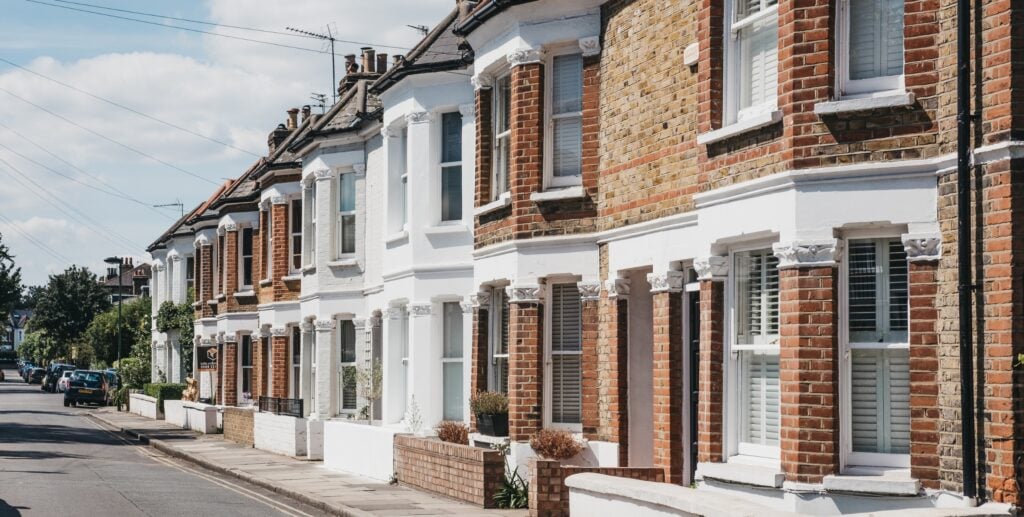
Header Image Source: (M I N E I A M A R T I N S/ Pexels)








 English (US) ·