
Every home showing comes with a bit of imagination. Buyers naturally start picturing how each space could work for them. Maybe that awkward extra room becomes your work-from-home setup, or that quiet corner turns into a reading nook. With how flexible living needs have become, one term keeps popping up in listings, and many are naturally curious about it, wondering, “What’s a flex room?”
In this article, we’ll break down what it really means when sellers use that label. We’ll also help you figure out whether that “flex” space actually fits the way you plan to live.
Get a Home Value Estimate Before You Add a Room
How much is your home already worth? HomeLight can provide you with a free preliminary estimate in preparation of adding a room or making any renovations.
What is a flex room?
A flex room goes by several names: experiential zone, specialty room, and bonus room are some popular monikers. Basically, it’s a space that does not have a fixed function, so that it can change roles in a home.
It can be any area in the home, a hallway, an alcove, a large pantry, or even a closet. “I’ve built homes with several flex spaces for kids and adults, including a children’s playroom, craft room, an adults’ humidor, and a poker room,” says Phil Kean, an architect and homebuilder based in Winter Park, Florida.
Joe Duffus, Chief Executive Officer of Builders Design, an interior design firm specializing in single-family and multifamily projects, points out that modern homes are increasingly built around flexibility.
“Builders don’t necessarily call a room a flex room, but they typically design it to get two or three functions out of the space. That is how we need to think these days.”
Why are flex rooms popular?
Flex rooms are popular because homes don’t really stay “one-use” anymore. They shift along with the people living in them. One day a room might need to be a quiet spot to get work done, and the next it’s suddenly hosting guests or becoming a place for the kids to play. Buyers like that kind of freedom, especially when space is limited, and every room has to pull its weight.
“Many people are rethinking their spaces. Flexible spaces are more critical today than pre-COVID. These spaces don’t have a specific use. They are multipurpose,” says Kean, who designs high-end, custom homes throughout the United States.
A flex room fits right into the modern, multi-tasking lifestyle, easily switching between an office, guest room, workout space, or whatever else is needed at the moment. It’s less about having more space and more about making the space you already have work harder for you.
Silas Baca, a top-producing real estate agent in El Paso, Texas, says many of his clients are looking for a single-family home with a fourth bedroom that doubles as a flex room.
“A flex room provides the option to have a game room, nursery, a movie theater, office, craft room, or a fourth bedroom. I recommend looking for a three-bedroom with a flex room that offers more options,” Baca says.
Duffus believes that this shift isn’t just a trend but a lasting change in how people think about home layouts.
“We are seeing an increase in interest in flex space because people are using the square footage of the house differently. As a result of COVID, people are thinking about how the house ‘lives,’ and this is a permanent change in mindset.”
Does a flex room boost home value?
Most experts agree that when you make your living spaces more versatile, it can add value to your home, whether that’s how buyers see it or what it can actually sell for on the market.
Kean points out that changing lifestyle needs are a big reason flex rooms make a home more appealing, potentially boosting its value.
“For years, people wanted smaller houses, and now new homes are becoming bigger because people are spending more time at home. I think flex spaces work to enhance home value,” Kean says.
Meanwhile, others take a more measured view on whether flex rooms add home value. Baca notes that they heighten buyer interest, but they don’t always lead to a significant jump in price.
“I believe a flex room increases the demand for the house. Does it increase the home’s value? I have seen properties valued a little higher with a flex space, but not by much,” Baca notes.
What should be considered when designing a flex room?
Any space in a home can become a flex room, whether it’s a hallway with a desk or a mudroom with a craft table. With a bit of creativity, areas can take on multiple functions.
“When people are looking to buy a new home, they need to think about how they can maximize the space. Every room needs to work harder,” Duffus says.
Experts suggest several considerations when designing or creating a flex space or a flex room.
Ceiling height
The height of your ceilings determines the design and function of your flex space. “Ceiling height is essential. Typically, 8-foot ceilings are a little low for some activities. A 9-foot ceiling height gives you enough flexibility in the space. The 10-foot ceiling is becoming the new standard,” Kean explains.
Beyond just how the room feels, higher ceilings also help air move around better, which makes a flex space more comfortable to spend time in. They also give you more options for lighting, like pendant lights or layered setups, so the room can easily shift depending on how you’re using it.
Insulation
Insulation is important for proper acoustics in a flex room, especially a workspace where privacy, peace, and quiet are needed. It’s also crucial in specialty spaces like a music room, where controlling sound makes a big difference. Adding soft furnishings to your flex room, like rugs, curtains, or upholstered furniture, can help absorb noise and improve acoustics.
Doors
Pocket doors and sliding doors are ideal for privacy and can help buffer noise from the rest of the household. Sliding doors, such as barn doors, can close large openings without installing a doorway.
They also save floor space since they don’t swing open, making it easier to furnish and move things around. Plus, they keep the layout flexible. You can open the room up completely or close it off whenever you need a bit more privacy or separation.
Natural light
Windows that let in plenty of natural light are key features in a flex room. They make the space feel bigger and brighter and give you the light you need whether you’re working out, crafting, or doing anything in between. Natural light can also help the room feel more inviting, so it doesn’t end up feeling closed off or unused.
Hybrid furniture
Flex rooms tend to be smaller than other rooms in the home, so experts advise choosing furniture that does not limit your space or make it feel smaller. Designers at Progressive Furniture recommend selecting pieces that multitask without taking up too much space.
“The proper scale of each furniture piece is important because we don’t want pieces that will overwhelm a space,” says Julie Carpenter, Progressive Furniture merchandise manager.
Stephanie Austin, Progressive Furniture Vice President of Merchandising, adds, “Think about the function of the space you are filling because it has to be capable of many uses.”
Counter-height tables that can double as desks and eating surfaces are pieces that perform well in a flex space.
“A side table with a cantilevered top is a great option as a landing spot for your keys and your phone,” says Austin.
Consider staple pieces, such as a trunk that functions as a coffee table, a bench at the foot of a bed, or an etagere shelf for multiple uses.
“You can use an etagere as a nightstand, bathroom storage, office shelves, or a dining room display,” says Carpenter.
Other key pieces to furnish a flex space include bookshelves, small dressers, nightstands, and chests. “A desk that doubles as a workspace, vanity, and eating space works great in small spaces,” says Carpenter.
Experts advise selecting light-colored or reflective pieces that work to open up smaller spaces.
“Clear pieces made of acrylic and lighter colors tend to amplify a room’s illumination and make it appear larger, especially if you are working in a small space,” says Austin.
Creative ideas for using a flex room
As people pick up new hobbies, routines, and habits from spending more time at home, more and more folks are looking for spaces that do a bit more than just one thing. These so-called “experience zones” are basically rooms set up for things like play, entertainment, learning, or just unwinding.
Craft rooms, home gyms, and meditation spaces are some of the most popular flex spaces showing up in modern homes. Here’s a look at the top types of flex spaces homeowners are leaning toward:
Office space
With so many people working from home now, the demand for a private, productive space to work, make video calls, and think has made the home office a must-have. A reading room or library with a desk can also function as a workspace or home office.
Home gym
People want to work out in the comfort of their homes, which means they prefer a place to exercise and get active. A sunroom, garage, or outdoor space can work as a home gym, even a closet large enough to accommodate exercise equipment. Baca says many of his clients are converting the garage into a home gym.
Meditation and wellness spaces
People are putting more focus on wellness at home, so it’s no surprise these kinds of spaces are getting more popular. You might hear them called meditation rooms, sanctuary spaces, spa rooms, or just a quiet spot to reset.
Kean even says a lot of his clients are specifically asking for areas where they can slow down and focus on wellness, spirituality, or just being mindful. During the pandemic, this became even more obvious, with many homeowners adding prayer rooms since they couldn’t go to church or attend large gatherings in person.
“These regenerative spaces can offer a holistic approach to health that is safe, sustainable, and nurturing,” Duffus says.
»Learn more: Before you fall in love with that perfect flex room, make sure the numbers actually work for your budget. Try the Home Affordability Calculator so you can shop smarter and focus on homes you can confidently afford.
Craft and hobby room
Many people are picking up new crafts and hobbies while spending more time at home, and that naturally means they need a space to actually do them. Craft and hobby rooms with counter space and smart storage are becoming really popular in modern homes. There’s also the “maker space,” which is basically a more workshop-style setup for people running small side hustles from home when they’re making products to sell.
Entertainment center or playroom
A space for entertainment and play is high on the list when it comes to flex rooms. Most game rooms today are often set up for video gaming, but they also leave plenty of room for hanging out, playing cards, doing puzzles, or just enjoying analog fun with friends and family.
“Game rooms are making a comeback because of a renewed interest in board games and puzzles,” Duffus notes.
Package delivery room
Many builders now add package delivery spaces into their floor plans to keep up with the rise in online and grocery deliveries. These drop zones give delivery drivers a secure place to leave packages, dry cleaning, and other items, helping keep everything safe and out of sight.
They’re usually tucked near the garage, kitchen, mudroom, or even behind a backyard gate, and some come with extras like refrigeration or built-in areas to sort and hang deliveries. Duffus even notes that some more high-tech setups are starting to include drone landing stations for package drop-offs.
Garage living rooms
The garage serves as a second family room in some homes. There’s a growing trend of garage conversions, where homeowners are turning the space into casual hangout areas for watching movies, playing video games, and socializing.
Food prep pantry
Modern kitchens are doing a lot more than they used to, with people finding creative ways to make them a hub for working, hanging out, cooking, and entertaining all in one. In bigger pantries, some are even turning them into little food prep stations for extra convenience.
“Everybody wants their kitchen to look great. You might consider turning part of a large pantry into a secondary, messy kitchen where the food prep happens,” Duffus explains.
Cocktail room, wine cellar, or bar
The at-home bar has changed, with more people adding things like built-in shelving for glassware, wine fridges, and dedicated prep counters instead of just a basic setup. It’s less about a simple drink corner and more about creating a space that feels made for hosting and hanging out. Some even turn flex rooms into mini lounge-style bars where everything you need, from mixers to seating, is in one place.
“The cocktail culture is very popular right now. We are designing bourbon rooms, bars that accommodate craft beers, in addition to wine bars and cellars,” Duffus notes.
Guest bedroom
An extra bedroom is an obvious choice for a flex space. People can outfit the room with a sleeper sofa or retractable bed to accommodate overnight guests and have space for a desk, exercise equipment, or another activity.
“In two-story homes, people prefer an upstairs flex room. They want the room to have internet wiring, but they are less concerned with having a bathroom attached to the space,” Baca explains.
Outdoor living space
Backyard living expands with meditation areas and more space for entertaining, cooking, and relaxing. Baca’s clients are asking for ample outdoor space with large patios, outdoor kitchens, and gazebos to extend their living area outside.
Shop Smarter for Homes With Flex Rooms
Finding a home with a flex room that actually fits your lifestyle can feel overwhelming when every listing starts to look the same. Partner with a real estate agent to narrow your search and find the right fit.
Flex space is here to stay
With everyone wanting more personalized spaces that can do a lot of different things, open floor plans are starting to break up into smaller areas for different uses. A flex room is basically a catch-all term for all the ways a home can be designed to fit different lifestyles, depending on how you set it up with furniture, layout, and decor.
“People fell back in love with their homes during quarantine and rediscovered their shortcomings and potential. They made their spaces work harder and added additional functions to make every square inch work,” Duffus says.
If you are in the market for a home with a flex room, you’ll want to find an expert real estate agent who goes above and beyond to help you find the right floor plan to fit your lifestyle, while also pointing out spaces you might not have even thought could work as flex rooms. Use HomeLight’s Agent Match tool to connect with a local agent today.
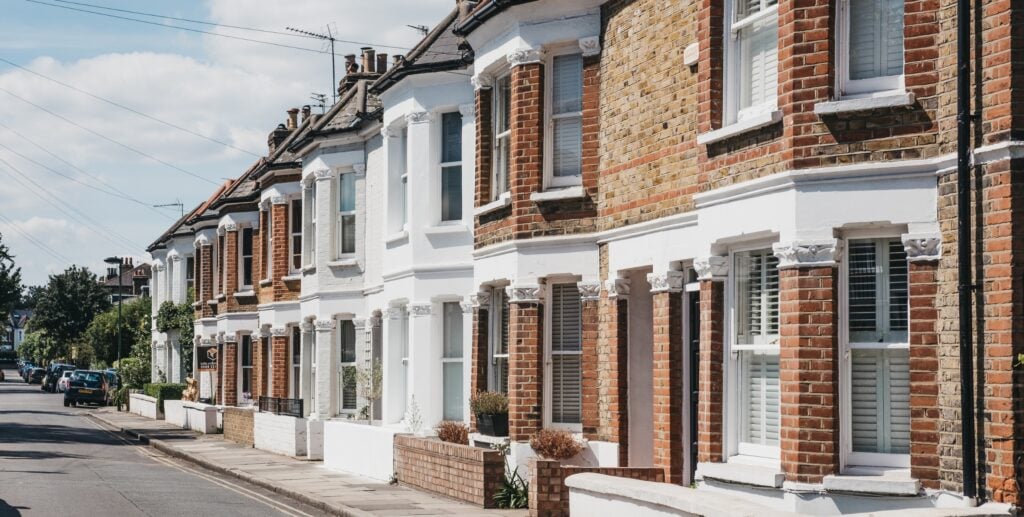
Header Image Source: (pics721 / Shutterstock)







 English (US) ·