
This charming inner Melbourne enclave is steeped in history, but only recently have buyers started to discover it.
Melbourne's first port settlement lies less than half an four from the CBD but until quite recently, was perplexingly off many buyers' radars.
This is even despite Williamstown's historic landmarks, its pretty waterfront dotted with yachts, its sandy beach, serene parks and diverse choice of cafes, restaurants and quaint old pubs.
Agent Anthony Christakakis at Jellis Craig Inner West Williamstown says the peninsula suburb, at the mouth of the Yarra River, has only lately piqued buyers' interest.
"More and more people are discovering Williamstown, which sounds really, really strange considering the history attached with the suburb."
Williamstown was nominated in the realestate.com.au Hot 100 for 2026 as a suburb set to outperform this year. Picture: realestate.com.au
A lifelong "Willy" resident, Mr Christakakis says first-time visitors are always pleasantly surprised by what they find.
"They can't believe how much there is to offer, how beautiful the beach and parks are, and when you show them the Botanic Gardens and the heritage buildings, it blows people away. They say, 'how have we never been here before?'
"It's one of the most picturesque suburbs in Melbourne — and one of the most undervalued."
Cate Bakos, founder of buyers agency Cate Bakos Property, nominated Williamstown in this year's realestate.com.au Hot 100, describing it as "the jewel in the west" — despite its remarkably attractive pricing.
"The affordability relative to the eastern beachside suburbs is astounding. Williamstown continues to pull crowds every weekend, and for those who are fortunate enough to call this glorious suburb home, they will understand the magic of postcode 3016," she said.
Mr Christakakis said the suburb is also priced lower than bayside suburbs just the other side of the West Gate Bridge like Port Melbourne and Albert Park.
Williamstown's median house price stands at $1.56m, up a modest 0.9% over the past 12 months, while the median unit price is $700,000, down 5.4%.
By comparison, the median house price reaches $2.45m in nearby Albert Park, $1.65m in South Melbourne and St Kilda, and $3.23m in Brighton further along the bay. Melbourne's overall median dwelling price is $854,000, up 3.4% annually, according to the PropTrack Home Price Index.
The historic suburb is considered far more affordable than bayside suburbs on other side of the West Gate Bridge. Picture: realestate.com.au
Dean Stanley at Ray White Williamstown describes the $1.5m to $2m bracket as "extremely buoyant", with "strong buyer action" extending to $2m to $2.5m properties.
"There's always a lack of stock, which keeps sales fairly buoyant here," he said.
"Young families really want to take advantage of the beach, the life-saving club and what bayside suburbs have to offer. A lot of people do move around Williamstown as well — they don't want to leave."
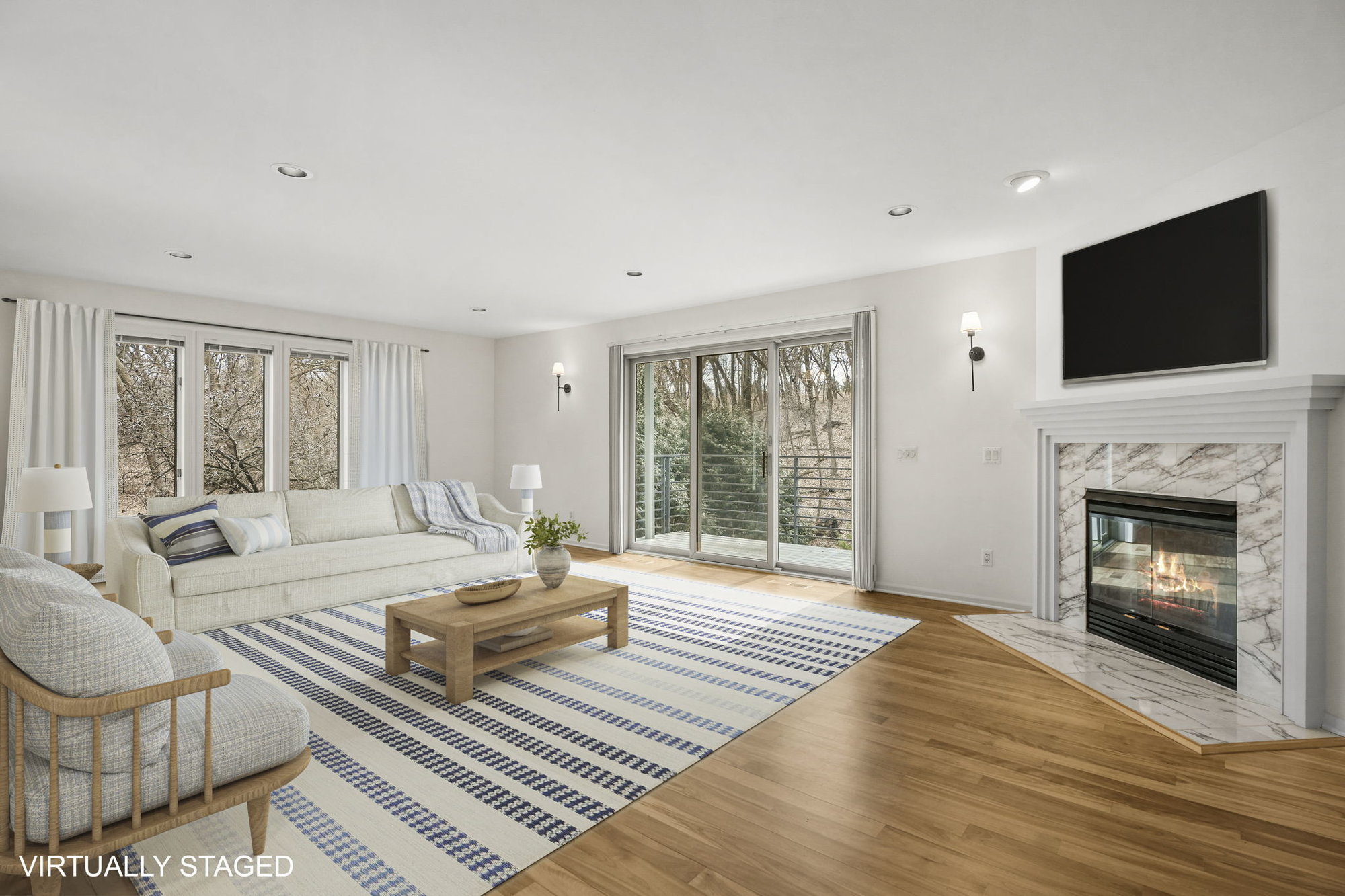
The suburb is known for its picturesque homes. 55 Verdon Street will head to auction in April. Picture: realestate.com.au
Mr Christakakis said Williamstown had a wide variety of properties to offer buyers.
"We have a huge cross-section of buyers here. You can spend $5 million on an incredible home on 1,000sqm of land on the waterfront, or $1 million — and still share the same parks, beach, culture and cafes.
"First- and second-time buyers can quite easily enter the market in Williamstown and there's huge demand for those entry-level homes, which sell really quickly.
"There can't be another suburb with this feel that you can enter at a million dollars."
89 Esplanade, Williamstown sold in August for a record $9.15m. Picture: realestate.com.au
A sign of the suburb's emerging value was a record sale in August 2025. A five-bedroom Edwardian mansion at 89 Esplanade fetched $9.15m.
Lifestyle location
Williamstown boasts two sections of waterfront — The Strand on its eastern flank offering city skyline views across the water, and the Esplanade gazing over the beach towards Port Phillip Bay's distant horizons.
"It's a wonderful place with beautiful beaches, three train stations, amazing parks, lots of places to walk around, and some of the prettiest houses you'll see around Melbourne," Ms Bakos said.
"If you're fortunate enough to get into this beautiful suburb of Williamstown, you will know that the houses are very tightly held here and there's not a lot of turnover. People love to stay put in Williamstown."
The suburb is considered undervalued, but experts say it's on the cusp of a boom. Picture: realestate.com.au
Mr Christakakis said the suburb's tucked-away location gave the place a wonderful community feel.
"You can't drive through Williamstown to go anywhere so it's like a little seaside village."
And most locals won't ever move out, it seems.
"People have been living here for 40, 50, 60 years. You don't move from Williamstown to somewhere better, you just move up the price bracket," he added.
"That's why people like me have been here for over 30 years. I'll never leave."
Williamstown was one of 14 suburbs nominated across Melbourne in the 2026 realestate.com.au Hot 100.
Now in its fourth year, the list is compiled by a panel of experts including leaders of national real estate agencies, buyer’s agents, researchers, investors and an academic, with additional data and analysis from PropTrack.
Suburbs are nominated based on the following growth drivers:
- Affordability, either low prices suiting buyers on a budget or relative affordability compared to nearby suburbs.
- Amenity, being the level of lifestyle pluses, from bars and restaurants to boutiques and parklands.
- Family appeal, such as dwelling type, perceived safety and proximity to good schools.
- Location, including proximity to the CBD or major hubs, or closeness to natural amenity like beaches.
- Investment prospects, from rental market conditions to expected imminent upside.
- Gentrification, being the changing face of a suburb.
- Population growth, representing a projected increase in the number of locals.
- Demographic change, indicating a shift from the current make-up of residents, for example young families replacing downsizing elderly locals.
- Infrastructure, looking at major investments in projects that will benefit the suburb or surrounds.
See the 2026 realestate.com.au Hot 100 here.
More from the 2026 realestate.com.au Hot 100:
- Investor hotspot: The once-working-class suburb where 6 in 10 residents are renters
- The family friendly suburbs set to grow in 2026
- The ‘big country town’ tipped for a property boom due to one key reason
- The affordable suburbs primed for growth in 2026
- Australia’s hottest coastal suburbs to watch in 2026
- The booming property hotspots that are just getting started
- Australia’s investor hotspots for 2026
- Why these 7 suburbs could be the next big property hotspots
- Window of opportunity: Suburbs where prices could be about to rebound



 English (US) ·