
When renter Caitlin Webster moved to Brisbane from the Sunshine Coast three months ago, she had to have a tough conversation with a mortgage broker about what homes she could actually afford.
“It’s definitely a different kind of housing market,” she said. “I think I’ve been priced out of a lot of areas I’d ideally like to be living in.”
Ms Webster had been casually going to open homes over the past 18 months to get an idea of the market. However, by the time she could afford a 20 per cent deposit, she said house prices had accelerated past what she had expected.
“I was looking to rent when I moved in to see if I liked the job and Brisbane,” she said, “but ideally I’d like to be paying off my mortgage, rather than someone else’s.”
Caitlin Webster is looking for her first home after being dropped into Brisbane’s competitive housing market, now with new expectations of what she can afford. Picture: Liam Kidston
Even with a 20 per cent deposit, financial experts at Finder found homeowners in Brisbane will often pay nearly twice the sale price of their homes over the course of their mortgage contract.
With both interest and stamp duty factored in, buyers securing a property with that deposit will end up paying around 90 per cent more for their home than the initial contract price; with a typical house at $980,000 actually costing $1.866 million over the course of a 30 year loan.
Some experts have warned this gap may be larger for people entering with a 5 per cent deposit under the First Home Guarantee Scheme, despite the government guaranteeing the remainder of a 20 per cent loan to avoid lenders’ mortgage insurance.
But renting is not safe either; PropTrack research has found the average Brisbane renter will be paying around $200 more each week within ten years.
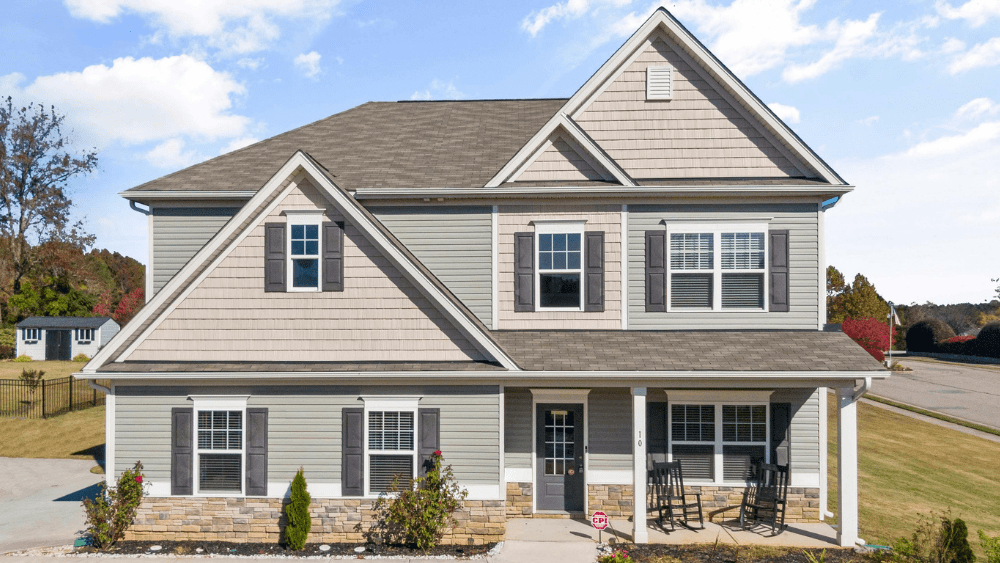
A home such as this one in Logan Central, where the median home price is $1.12m, would mean a buyer will spend $2.225m over 30 years if buying with a 10 per cent deposit.
“The way I see this is it’s not going to be my forever home,” Ms Webster said. “I’d rather get into the market at a price that’s realistic for myself. I understand I’ll eventually get priced out [completely] with the growth that is happening.”
Ms Webster said she had been growing frustrated on homes being undervalued on websites such as realestate.com.au, where homes would sell for hundreds of thousands of dollars more than what an agent might say they were worth.
Most recently, she said she’d found a unit in Nundah she was looking to make an offer on while it was still off-market.
“The range we were told by the agent was between $750,000 to $760,000,” she said. “I was looking at the past prices [years ago] when it was like $400,000 – but I also know if it goes on the market, it could easily get $900,000.”
Webster said she hoped to afford a unit near the city – but the only homes she could find in her price range were in need of serious renovation. Picture: Liam Kidston
But the former rental unit is in need of repair, with cracked paint, broken curtains and a broken balcony door.
“It’s a lower price off-market because it’s an older building that needs to be renovated; so if I do place an offer I should expect I should put more money down the line to make it a place I want to afford,” Ms Webster said. “If I can put in as much of a deposit as I can, with the equity and the growth I’ll [eventually] be able to buy something else.”
Buyers agent Lauren Jones said she saw a growing class divide between people inside the property market and those who couldn’t get into the market.
Lauren Jones of Lauren Jones Buyers Agency said when accounting for finances, it was important to include a buffer in expenses, to make sure you’re able to afford things outside of mortgage repayments.
“Getting in [the market] faster is advantageous, even if it’s with a lower deposit,” she said, “just because the market is moving so quickly and it’s harder to save more than what prices are going up by.”
“Just because the bank says you can lend that much money doesn’t mean you’ll be comfortable with it.”
Ms Jones added she was seeing a growing wealth divide between those inside and outside of the property market.
“It’s almost like eliminating the lower class, in a lot of senses,” she said. “Those in the property market are going to get so much wealthier because of the increases in price, whereas others might slip through the cracks.”






 English (US) ·