
Call it the year of the tenant. As housing costs rise and cities search for new ways to slow displacement, some local governments are giving renters more power when the buildings they live in go up for sale.
Chicago is one such city. Under a 2024 ordinance, some tenants in a city pilot program—set to expand this month—have the chance to try to buy their building first, or line up a buyer who will keep them in place.
The law was designed to help protect smaller apartment buildings and help longtime residents in neighborhoods stay in their homes. And now, a group of Logan Square renters is trying to use it in real time.
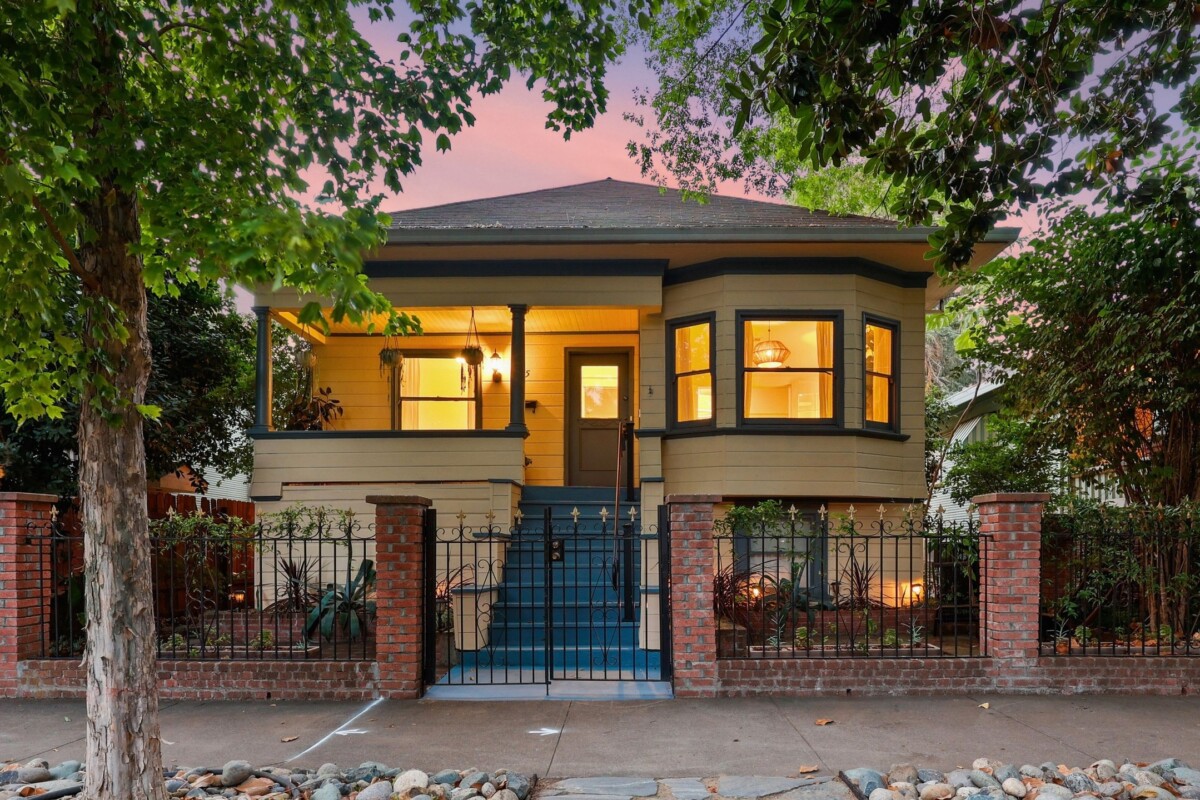
Tenants of a five-unit building on North Francisco Avenue are attempting to buy the property themselves, in an environment that recent research from Realtor.com® classifies as a peak seller’s market.
It’s shaping up as an early test of the Chicago law providing tenants the right of first refusal, and what leverage it can offer the humble renter at the peak of a seller's power. Their effort will help show whether those protections can do more than give renters a voice in the process and actually give them a realistic path to staying in their homes.
Not a simple sale
Property records show that the North Francisco Avenue building was listed in late March for $1.35 million—more than five times what it last sold for in 1995.
That jump reflects how much Logan Square, where the building is located, has changed.
In 1990, the neighborhood was predominantly working-class. Today, the Chicago Metropolitan Agency for Planning’s 2025 Community Data Snapshot shows a far more white-collar profile: 61.7% of residents aged 25 and older hold at least a bachelor’s degree, including 23.7% with a graduate or professional degree.
That kind of demographic change, along with the building’s more than 500% price increase, can be a sign of gentrification, according to guidance from the National Neighborhood Indicators Partnership.
Still, tenants of the building say this isn’t a simple story about a landlord cashing in after years of rising property values.
Brenna Townley, a longtime tenant, told Block Club Chicago that owner Francisco Miranda had never raised rents during her 10 years in the building and described him as “reasonable and decent” in early discussions about the sale.
Miranda’s agent, George Khalaf, told BCC that his motivations are much simpler: After decades of ownership, Miranda is retired and ready to sell.
It's an interesting twist on fights unfolding elsewhere, including in Maine, where residents of mobile home parks are trying to use similar purchase rights to keep private equity investors from reshaping their communities.
On North Francisco Avenue, tenants say the landlord isn't the villain, but the sale still leaves them vulnerable.
Chicago’s right-of-first-refusal law
After Miranda informed residents of the sale in January, they formed a tenants group called the Three Black Cats Association, after the cats that live in the building.
But even under these ideal circumstances—where the tenants and the landlord have a good relationship and tenants are empowered by local laws to have a seat at the for-sale table—residents say they’re still exposed.
“We as tenants live at the whim of someone else’s agenda,” Townley said. “We’re at the whim of someone saying, ‘I’m ready to retire early, so you have to go.’”
Tenants have entered a 90-day window to show they can either finance a purchase at the asking price or identify a buyer who agrees to their terms. If they meet those initial requirements, they would then have up to four months to secure financing and close.
The case shows how hard it still is for tenants to turn legal rights into a real purchase
The sale highlights the limits of what a legal right can accomplish in a difficult housing market.
Even as rents have tamed in Chicago, falling more than 2% year over year in March, the for-sale market remains heated. A combination of tight inventory, fast sales, and continued competition has made it difficult for working-class tenants to turn a right of first refusal into a realistic path to ownership.
Across the pilot neighborhoods, three tenant groups have tried to exercise the right of first refusal, but none has completed a purchase. One sale is still in progress.
Tim Grandon, a member of the Three Black Cats Association, described the process as complicated and exhausting.
“The market is unbelievable, and it’s unachievable for working people to purchase their homes,” he said in an interview with BCC.
The pilot has also drawn criticism from some elected officials and property owners, who argue that it complicates and delays building sales. Supporters, however, say that giving tenants more time and leverage is the point.
What remains unclear is whether that leverage will be enough to turn a legal right into an actual path to staying in place.
At the time this article was published, the listing had been removed from the multiple listing service, without being listed as under contract, pending, or sold. Khalaf and Miranda did not respond to a request for comment from Realtor.com.
Allaire Conte is a senior advice writer covering real estate and personal finance trends. She previously served as deputy editor of home services at CNN Underscored Money and was a lead writer at Orchard, where she simplified complex real estate topics for everyday readers. She holds an MFA in Nonfiction Writing from Columbia University and a BFA in Writing, Literature, and Publishing from Emerson College. When she’s not writing about homeownership hurdles and housing market shifts, she’s biking around Brooklyn or baking cakes for her friends.



 English (US) ·