
Stamp duty is back on the agenda in Australia, with the controversial property tax on the ballot for voters at next year’s South Australian election.
The South Australian opposition party has announced plans to phase out stamp duty by 2041, drawing mixed reactions from across the property world.
Stamp duty is a government tax charged on property purchases, adding a significant upfront cost for buyers based on the value of the home and the state that they’re buying in.
South Australian Liberal opposition leader Vincent Tarzia plans to begin phasing out the tax if elected in March, starting with exempting first-home buyers when purchasing existing properties.
Stamp duty brackets would then be adjusted within five years, and stamp duty would be totally abolished within 15 years.
“Stamp duty is an inefficient tax that inhibits the housing sector’s ability to reorganise itself and stops young people getting into the housing market and older people from downsizing,” Mr Tarzia said.
Treasurer Tom Koutsantonis labelled the proposal “reckless, dangerous and foolhardy”.
Stamp duty reform will be on the agenda at the next state election in March 2026. Picture: Getty
“Abolishing stamp duty will gut the state’s economy, removing around a third of state taxation revenues every year,” he said.
A homebuyer looking to purchase an established property in Adelaide, where the median home price was $880,000 in October, could expect to pay more than $40,000 in stamp duty, plus thousands of dollars more in lodgement and transaction fees.
PropTrack-e61 Institute research published last year found that stamp duty costs had grown at least fourfold for median-priced homes in Australia’s capital cities compared to average incomes since the early 1980s.
REA Group executive manager of economics Angus Moore said stamp duty was costly and a barrier to entry for many first-home buyers.
“Stamp duty is an inefficient tax because it discourages people from moving to homes that suit them,” Mr Moore said.
“While the rise in stamp duty has largely been incidental, rather than an intentional increase in tax rates, stamp duty reform is critically needed to allow the property market to operate more efficiently.”
Real Estate Institute of South Australia (REISA) chief executive officer Andrea Heading said REISA supported property tax reform but encouraged the opposition party to define how and where they would fill the shortfall if they did abolish stamp duty.
“REISA has long maintained that South Australia’s current property tax framework, particularly stamp duty and land tax, acts as a barrier to home ownership, mobility and investment,” she said.
South Australian opposition leader Vincent Tarzia has proposed plans to phase out stamp duty in the state over 15 years. Picture: Supplied
“These taxes have become entrenched revenue-raising tools, rather than mechanisms that enhance outcomes for vendors, purchasers, landlords, tenants or the broader community.
“REISA supports a re-balanced, forward-looking taxation model that treats the property sector fairly, while ensuring the state has the revenue needed to deliver on South Australia’s priorities.”
Matt O’Donoghue, South Australian representative of REBAA, the Real Estate Buyers Agents Association of Australia, said South Australia’s stamp duty was one of the highest in the country and had been a long-standing cash cow for the government.
He said he couldn’t see the proposal to abolish stamp duty happening “anytime soon”, as the Labor state government was in a strong position and the financial shortfall would be hard to replace.
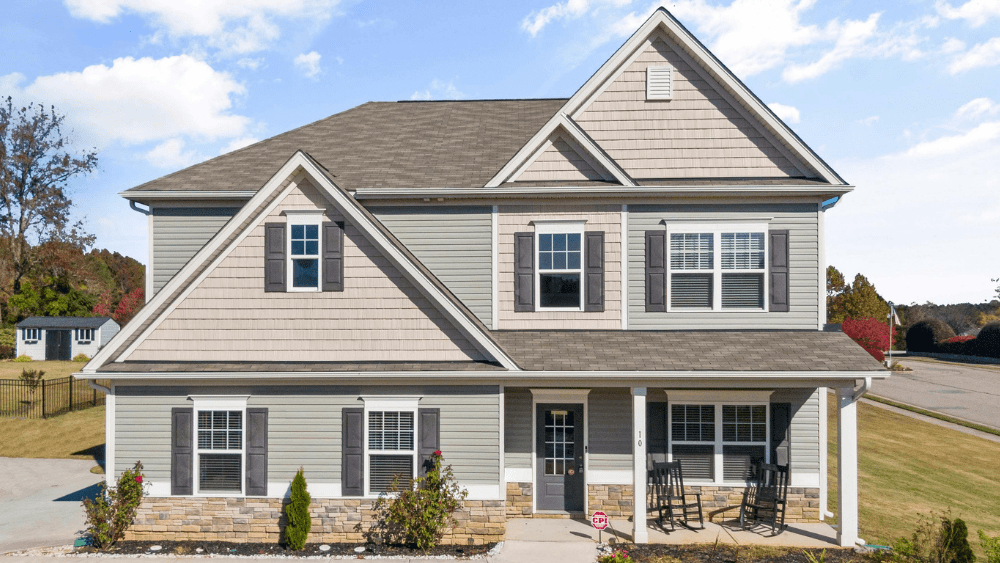
Adelaide's median home price was $880,000 in October, according to PropTrack. Picture: Getty
“To abolish stamp duty will create more impetus for buyers to jump into the market, which will no doubt put pressure on current pricing on units, apartments and houses,” Mr O’Donoghue said.
“If demand increases in an already high-demand market, it could potentially push prices even higher, which would basically counteract the move to abolish stamp duty.”
Adelaide resident Sally Wadsworth welcomed the opposition’s election promise to phase out stamp duty if elected.
Ms Wadsworth and her partner Mark own a four-bedroom property in Hope Valley in the eastern foothills of Adelaide and would love to buy an investment property in the near future.
Adelaide home prices have surged in recent years, with the capital city recording some of the strongest price growth in the country. Picture: Getty
“It sounds awesome because obviously that’s another added expense to buying a property,” she said.
“We’re looking into the equity we have, given the massive boom here in South Australia probably puts us into a better position to look at investing.
“That’s an expense that can be reduced and increases people’s capacity for borrowing.”








 English (US) ·