
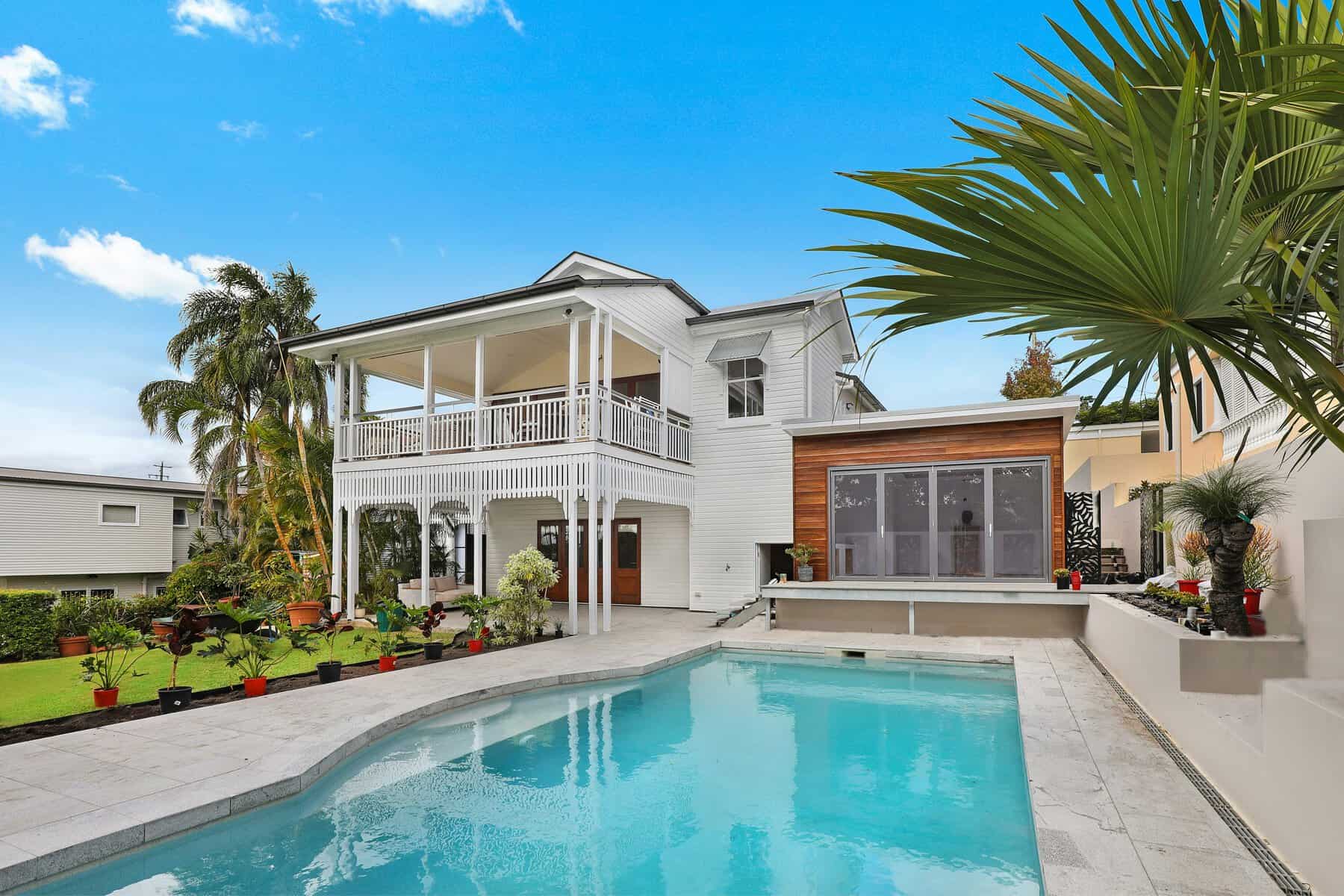
iSelect reveals SA’s most energy efficient local government areas to live in. Picture: Supplied.
Some South Australians are saving more money on their energy bills than others simply because of where they live, new research reveals.
A national study from iSelect reveals SA’s most energy efficient local government areas to live in.
It analysed a range of factors, including renewable energy adoption, the age of houses in an area, construction efficiency and climate.
While homeowners can improve efficiency by adding solar panels to their property or upgrading their appliances, the research found that many factors are outside their control.
Gawler was the state’s most energy efficient area, with an overall score of 66.89 out of 100.
Strong housing density coupled with solid adoption of solar helped it come out on top however, its low tree canopy coverage was its main weak spot.
The research analysed a range of factors, including renewable energy adoption, the age of houses in an area, construction efficiency and climate. Picture: Richard Dobson.
Mitcham followed closely behind, with a score of 66.61 out of 100.
Strong housing density – more so than even Gawler – and solid construction quality were its driving factors, but housing legacy – or its high number of older homes – were its downfall.
Salisbury (65.13), Playford (64.88), Onkaparinga (64.40), Berri Barmera (63.35), Marion (63.27), Tea Tree Gully (62.81), Unley (62.19) and Alexandrina (61.76) rounded out the top 10.
Nationwide, SA ranked fifth overall for energy efficiency because of low tree canopy and a high proportion of older homes creating recurring issues across the state.
While Gawler was the leader in the state, it ranked 51 nationally.
Utilities general manager at iSelect Julia Paszka said energy efficiency was varied across SA.
MORE NEWS
How SA plans to ride out the next global crisis
Fast food outlet a bargain buy
Adelaide’s first million-dollar unit suburbs
“Gawler might not be the most obvious suburb you’d point to, but it’s a great example of how the right combination of factors can deliver results,” she said.
“Solar adoption is a clear strength for South Australia’s leading regions.
“Gawler’s 61.8 per cent solar uptake is a standout figure.
“But what’s telling is that strong solar alone isn’t enough to crack the national top 50.
“The regions performing best are those where solar works alongside solid housing density and construction efficiency.
“Solar helps, but if the house underneath is older and more inefficient, you’re only solving part of the problem.”
Ms Paszka said the research also showed the gap between regional and metropolitan areas wasn’t as wide as expected.
Gawler was the leader in the state and ranked 51 in the country. Picture: Supplied.
“The bigger challenge underneath all of this is the ageing housing stock,” she said.
“Real, lasting progress on energy efficiency in South Australia means rethinking how we value and upgrade the homes people are already living in.”
“Older homes and tough climate demand are consistent factors dragging down scores right across the state, and those are costs that show up in people’s bills at the end of the month.”
Any changes to make properties more energy efficient help though, with the Clean Energy Council citing climate-smart upgrades – including solar power, batteries and insulation – help homeowners save an average of $1500 per year.
Chief executive of Renew, a non-profit organisation working to transform homes for climate and energy resilience, Helen Oakey said Australian households were leading one of the fastest clean energy transformations in the world.
“Families are installing rooftop solar, embracing home batteries, retrofitting insulation and adopting passive design to save on bills and improve the safety of their homes in the face of extreme weather events,” she said.
“Seeing solutions in action inspires neighbours to act too.
“Small changes add up.”















 English (US) ·