
For a lot of renters, the path to homeownership doesn’t always go the way they hoped. Maybe home prices increased faster than their savings, or getting approved for a mortgage turned out to be harder than expected, which is why rent-to-own homes can start to sound like a practical middle ground.
But once the idea of eventually owning the rental feels real, another question usually comes up: who handles repairs when the AC breaks or the roof leaks? That’s where understanding rent-to-own homes maintenance becomes important, because the answer isn’t always as straightforward as people expect.
Work With a Top Agent to Find a Rent-to-Own Home
When considering a rent-to-own home, working with a real estate agent experienced in these types of deals can help you navigate the process and find a great deal.
Why do buyers need to worry about problems in rent-to-own homes?
Well, that’s a pretty simple question to answer.
“The biggest reason why buyers have to worry about rent-to-own home condition is that [the] home will be theirs, officially, once they own it,” says top-selling Florida-based agent Kathy Aparo-Griffin. “So they’re going to have to deal with these issues.”
The specifics of that rent-to-own arrangement “all depend [on] how the agreement is written,” Aparo-Griffin explains. One common (but not always standard) inclusion in a rent-to-own contract is asking the buyer to handle any repairs needed while they occupy the house.
This stipulation has an upside for the buyer, too: if they are “going to treat their home as if they already own it, then any roof leak, nonfunctioning AC, any of that is going to be a problem in the future when they go to technically own it and get a mortgage and get rid of the seller from the transaction,” the agent notes.
Taking care of any maintenance issues proactively will benefit the buyers long-term when they become homeowners.
Indeed, Aparo-Griffin says, “usually it’s the buyer” handling these responsibilities and costs in a rent-to-own situation.
“If you’re doing a rent-to-own, you are technically a vested, soon-to-be owner. So you have to treat that place as your own. It’s always up to the real estate brokerage firm that’s writing up [the rent-to-own agreement] to clarify that, but for the most part, it’s usually on the buyer.”
However, that’s not always the case. “I have written up some rent-to-owns where the seller is responsible up until a certain time period when the buyer actually gets a standard loan,” Aparo-Griffin says. In other words, you have options.
Routine maintenance items buyers should expect
Rent-to-own can sometimes blur the line between being a renter and acting like a future homeowner. Even before ownership officially transfers, tenant-buyers may be expected to handle certain everyday upkeep around the home, but the upside is that these tasks usually benefit them directly by keeping the place safe, running smoothly, and avoiding bigger repair headaches down the line. In a way, taking care of things now can help protect the home they’re planning to own later.
Here are some standard maintenance responsibilities that commonly fall on them.
Cleaning out the gutters
Tenant-buyers should remove any debris from their gutters and clean them out annually. Clogged gutters can lead to roof damage, an expensive repair, so this ounce of prevention can save you significant money long-term.
Replacing air filters
Air filters range in price depending on the size and thickness of the filter. Thinner filters are supposed to be replaced monthly, while thicker filters can last up to a year (and are more expensive).
Dirty air filters waste energy because your systems have to work harder. They can even cause your HVAC system to overheat or malfunction. And, of course, replacing air filters will maintain good air quality in your home.
Maintaining landscaping
This may include mowing and watering the lawn, and generally keeping up the landscaping around the property. Ask the landlord if there’s a professional service that handles this, and who arranges and pays for it, if so.
Landscaping isn’t simply a matter of curb appeal. Paying attention to how water drains around the home when you’re watering the lawn, for example, can alert you to structural issues with the house before they become serious.
Cleaning the fridge coils
First, you’ll want to establish whose fridge it even is: will it eventually come with the house and pass to the rent-to-owner if it belongs to the seller?
Cleaning the fridge’s coils helps the fridge operate at maximum efficiency, so maintaining this part of the house will save the renter and future buyer money on their energy expenses. Plus, if the fridge is coming with the house, buyers will want to make sure it’s operating at peak condition, anyway.
Cleaning the dryer vent
Again, who owns the appliance in the long run, and who is responsible for it during the rental period? This is another example of a fix that can save buyers money on their energy bills, and at the same time, make their home safe. Remember, backed-up lint and debris in dryer vents can start fires. For $7.99 on Amazon, you can order a vacuum attachment to help you handle this maintenance job.
Other standard maintenance tasks
Other tasks for which to establish responsibility include such home maintenance issues as:
- Servicing the furnace (annually)
- Flushing the water heater (annually)
- Touching up exterior paint (as needed)
- Caulking windows (as needed)
- Minor plumbing repairs (as needed)
Major maintenance issues that could change the game
Aparo-Griffin says she’d likely write in the contract that all of the maintenance issues under a certain dollar amount would fall to the buyer. But that said, there’s a limit to what a buyer should be expected to handle in terms of home maintenance, she adds.
“Obviously, if the roof is bad, you can’t expect somebody who’s renting to own to pay for a $10,000 roof.”
She adds that if the parties do agree that buyers will be shouldering major home-maintenance responsibilities, the buyer must waive or remove any existing inspection contingencies before taking possession of the property.
Let’s further consider that roof example.
“Some of the major issues that we run into a lot in Florida are that we have problems with roofs all the time because of hurricanes, hail, tornadoes, you name it,” Aparo-Griffin says. “You could need a whole new roof. You could have a leaking roof. [I remember being] in a house where water was pouring down the wall in the garage.”
So fundamentally, “the roof issue is a big one,” she explains — the biggest rent-to-own home maintenance concern, in her assessment. “You have to make sure you have a good roof because at the end of this, when the buyer goes to get financing, the buyer’s not going to be able to do that if the roof is an issue.”
Lenders want to confirm that the house is safe to occupy, and buyers who are hoping to get a VA or FHA loan for the house will need to ensure the house meets FHA or VA standards for safety and condition, too.
In short, examining potential costly future issues (especially the roof) “is probably the most important thing that needs to be done before you execute a rent-to-own contract.”
What are some of the other major issues that might make a would-be buyer want to walk away? Think extensive electrical issues, expensive plumbing repairs, widespread window or door replacements, or an HVAC system that needs extensive repair or even replacement.
Why service plans and insurance matter in rent-to-own agreements
The home should be on a service plan during the rent-to-own term, which is in both the seller’s and the buyer’s best interests.
“You should have a once-a-year maintenance check and specify who’s going to pay for that, so as a seller you know your investment is protected,” Aparo-Griffin explains. “You know the buyer’s not going to get in there and run it into the ground.”
Remember that while the rent-to-owner is renting, the seller still owns the property. So the seller must carry homeowners’ insurance, and both parties will want to specify who’s going to pay the insurance deductible.
“If it’s a rent-to-own, the most the buyer could get is a rental [insurance] policy,” Aparo-Griffin notes. “But the homeowner still has to have homeowners’ insurance. If there is a fire, if there is a claim, if there is a hurricane, the buyer can’t make a claim. It’s not their home yet.”
So make sure to button up that insurance issue as one part of the essential home maintenance matters you’ll definitely want to clarify when entering into a rent-to-own home arrangement.
Discover How Much Home You Can Afford
Understand the costs associated with buying a home and find out what safe budgeting looks like.
The bottom line on rent-to-own home upkeep
At the end of the day, rent-to-own homes maintenance isn’t always as simple as just calling a landlord when something breaks. Depending on the agreement, tenant-buyers may take on a mix of everyday upkeep and more involved responsibilities, which is why it’s important to know what you’re signing up for.
The upside is that staying on top of maintenance can help you protect the home and avoid bigger issues down the road. Still, the details can vary a lot from one contract to another, so clarity upfront really makes a difference.
When you’re ready to take the next step, working with a buyer’s agent through HomeLight can help you make sense of complicated contracts, steer clear of scams, and ensure the terms you’re agreeing to are fair.
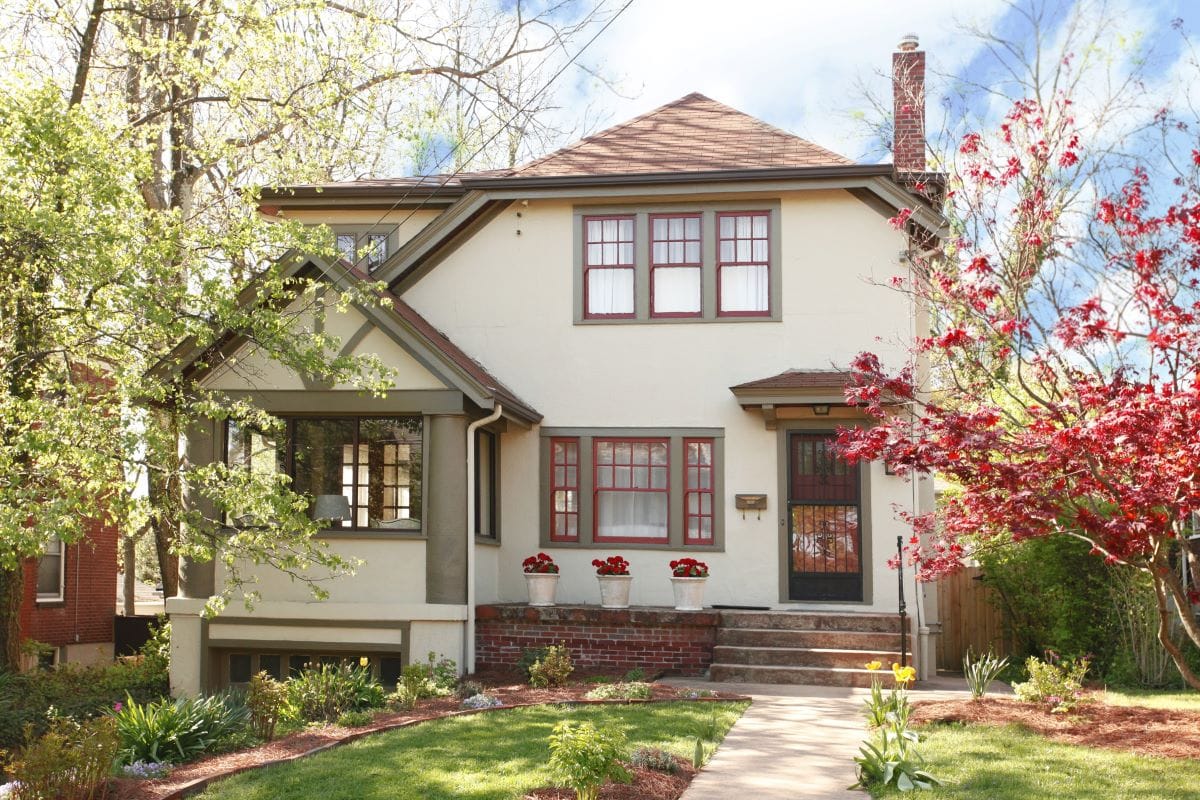
Header Image Source: (Curtis Adams / Pexels)







 English (US) ·