
The rise of the cashed-up ‘Google generation’ is reshaping who can afford to buy a home in Queensland.
While most young people are battling stagnant wages and record rents, a fast-growing pocket of under-35s earning more than $3000 a week is reshaping the state’s property market — and in some suburbs, pricing out their peers.
New analysis from Stop Renting Australia shows the majority of high-earning, young Queenslanders live in inner-Brisbane suburbs and mining towns, creating micro-markets where six-figure salaries before 35 are no longer rare — and where first-home buyers on average incomes can’t compete.
A two-bedroom unit in this building in Festival Plc, Newstead, is for sale for offers over $2m.
In Newstead and Bowen Hills, more than one in 10 residents aged 15 to 34 are classified as high-income earners or part of the so-called ‘Google generation’ — young professionals earning tech-level salaries in their 20s and early 30s.
RELATED: How first-home buyers rolled a tax bill into their home loan
Brisbane one-bedroom apartment prices surge past $700,000 in fierce auctions
In Moranbah and Emerald, lucrative resource roles have created similar clusters of wealthy young workers — injecting serious spending power into already stretched housing markets.
South Brisbane, New Farm, and Emerald are also home to a high number of wealthy young people.
A two-bedroom unit in this complex at Dukinfield St, Bowen Hills, is for sale for offers over $825,000.
The rise of this small, but financially potent cohort, is not only intensifying competition at auctions and inspections — it may also be skewing the maths behind federal affordability schemes, after income caps were removed from the First Home Guarantee.
Stop Renting Australia founder Shawn Waugh said young, high earners represented “significant purchasing power” in local markets, increased competition for homes, and were often early entrants into property markets — shaping price trajectories in their chosen areas.
“Where young high earners cluster, property competition intensifies,” Mr Waugh said. “They’re the buyers who can move quickly, pay more and secure properties in desirable locations. Understanding where they live tells us a lot about where housing demand will be strongest over the next decade.”
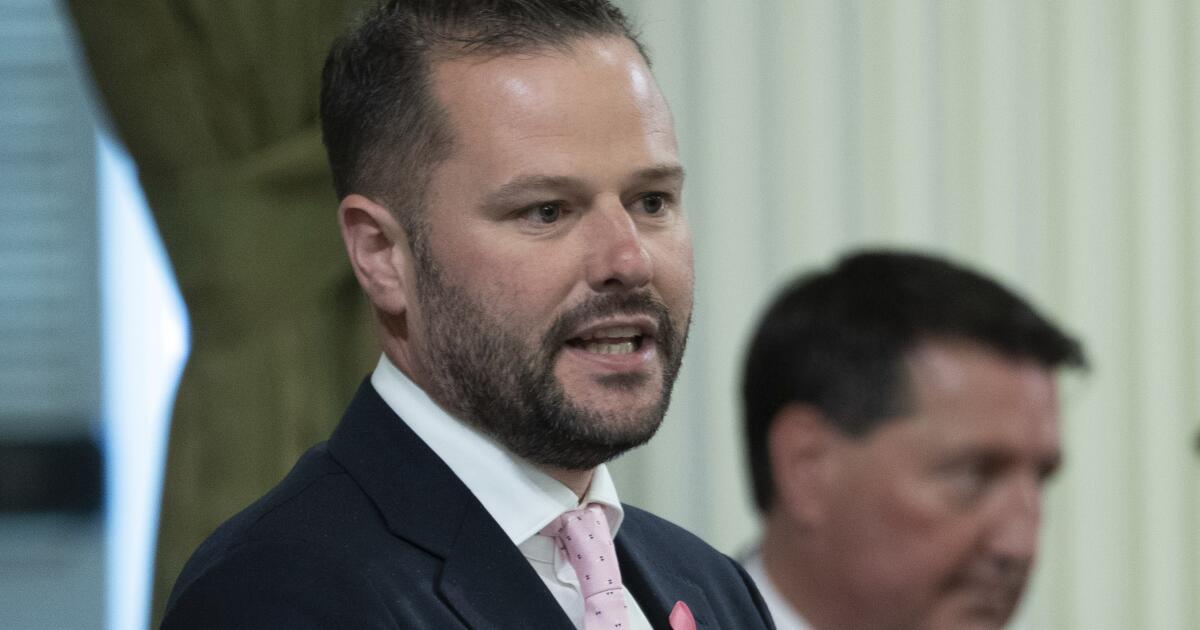
Shawn Waugh, founder of Stop Renting Australia.
Mr Waugh said Queensland stood out from the other states because it had a “dual dynamic”.
“You have inner Brisbane suburbs buzzing with young professionals, and at the same time, resource towns like Moranbah where young workers are on very high incomes,” he said.
He said high concentrations of young high-income earners meant more competition for limited stock, particularly when it came to apartments and entry-level houses.
MORE: The 27yo hustler who made $4.4m in just one year
Shock data: Brisbane now more expensive than Sydney at entry-level
“For first homebuyers, this means higher deposit requirements, faster price appreciation, and greater difficulty entering these markets without dual high incomes,” he said.
“For policymakers and analysts, these locations signal where demand is strongest and where affordability measures may be most tested over the next decade.”
A three-bedroom unit in this complex at Hollins Cres, New Farm, is for sale for offers over $3.2m.
Millenial real estate agent Michael Bacon of Place Kangaroo Point, who often uses social media to land his million-dollar deals, said the high-end market was no longer reserved just for older people.
“My prediction over the next few years is we will see a lot more younger generations get in the high end market,” Mr Bacon said.
“With the help of social media and technology I believe a lot more younger millionaires will come out of the blue.
“There are so many ways the influencing world can make money such as: Onlyfans, drop shipping, stock market, crypto, Instagram, Youtube, brand deals, plus much more.”
A two-bedroom unit in this complex at 9 Edmondstone Street, South Brisbane, is on the market for offers over $1.1m.
Australian Property Scout founder Sam Gordon said even his young clients earning high wages could not afford to buy what they wanted, so they preferred to rent.
“Even if you’re making $250,000 and want to buy in inner Brisbane, you’re looking at $1m to $2m,” Mr Gordon said.
“The First Home Guarantee caps at $1m in Brisbane, so that means you need to tip in $150,000 to $200,000 for the deposit. At current interest rates, you’d be paying about $100,000 a year to service (the mortgage).”
“A lot of young people might be earning higher salaries — either FIFO or at tech level, but they’re realising they can’t afford where they really want to live, so they’re opting to live in those inner city areas where rents are quite affordable compared to what you need to buy.”
New research reveals Queensland’s richest under-35s live in inner Brisbane and in mining towns. Picture: Jake Nowakowski.
Mr Gordon said many of these clients were renting properties in areas they wanted to live for $800 to $1000 a week and buying investment properties regionally or in other capital cities.
“We’re seeing a massive portion of 20 and 30-year-olds transitioning to the rentvesting strategy,” he said.
“Those people who do want to buy in those suburbs are renting and building wealth separately until they build up enough through their portfolio to have a big enough deposit and be able to service a mortgage.”
Brisbane buyer’s agent Wendy Russell said she had noticed two distinct groups of younger home hunters.
“There’s the ones that have given up and say; ‘It’s never going to happen for us. It’s too far a stretch, so we’re going to live our life the way we want and choose to stay renting in inner-city areas,” Ms Russell said.
Brisbane buyer’s agent, Wendy Russell.
“On the other camp, you’ve got the super disciplined young couples — even single women — who are young professionals, but they’re savvy and they’ve saved really hard and gone without.
“They engage me because they have the capacity to engage me, but also they realise the value because I’m going to get them a seat at the table.”
Ms Russell said these buyer types were looking at inner-city units, which was not the case in previous years.
“The trend used to be; ‘Let’s buy in the outer suburbs, a house with some land that we can renovate’,” she said. “They don’t want to do that anymore.
“They want the unit or the townhouse in an inner-city suburb because they value the lifestyle more and don’t want to renovate.”



 English (US) ·