
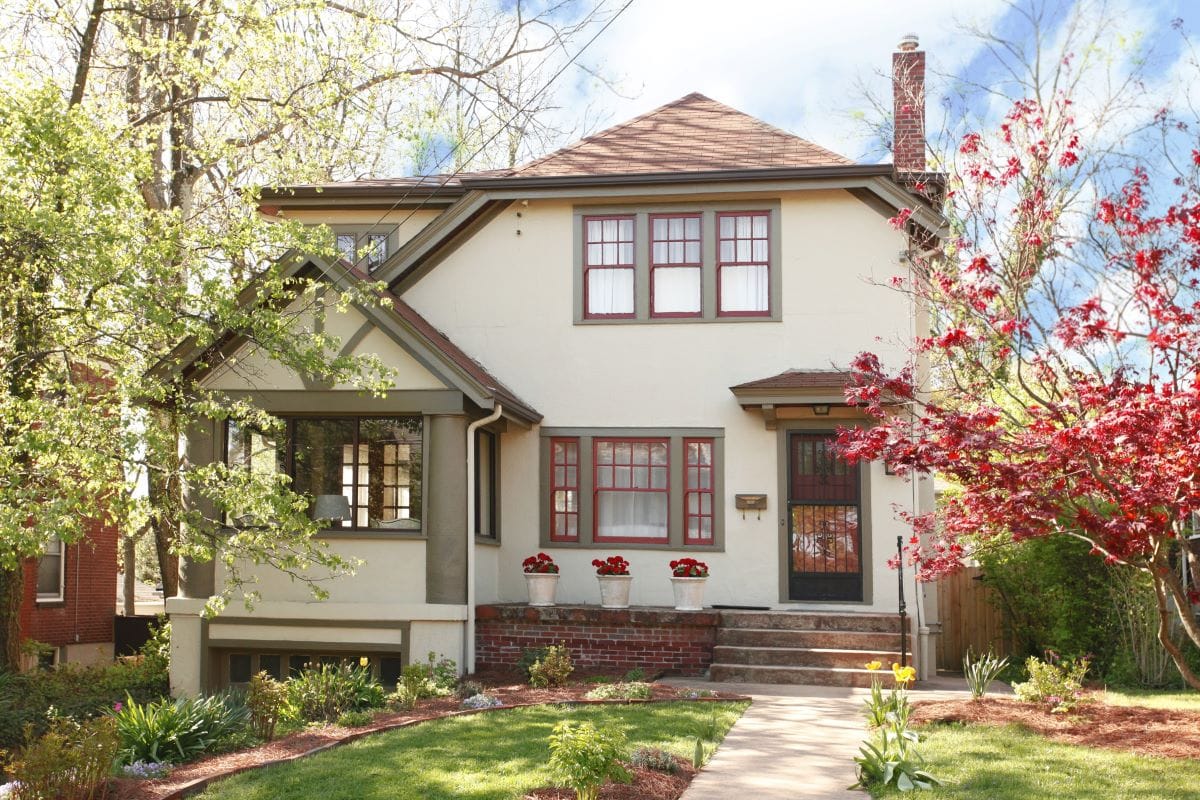
Geelong house prices were down in April, while apartment values were up, new PropTrack data shows. Photo: iStock
Interest rate sensitivity is putting the brakes on Geelong home prices as new data points to a widening national slowdown in the property market.
But it may not be enough to sway the Reserve Bank from locking in another rate rise next week.
PropTrack Home Price Index data showed the rate of price growth eased in Geelong through April, as the region’s median dwelling price reached $772,000.
Houses lead the .15 per cent decline, recording an $809,000 median house value. The median value for units rose to $584,000.
RELATED: Geelong hotspot records $100k price spike in a year
Plea for tax breaks for stalled Geelong 477 tenants-only apartments project
Why Geelong joined a list of the world’s hottest property markets
Geelong’s 4.79 per cent annual rate of growth continues to outpace Melbourne, where a 1.9 per cent annual rise was recorded.
Melbourne’s median dwelling value – which takes in both houses and units – eased to $853,000 in April.
PropTrack senior economist Eleanor Creagh said longer-term figures point to an overall slowing in Geelong home prices, though a large correction remains unlikely.
“Although we’ve got just a slight .04 per cent decline over the month, it does signal that the region is moving into that phase of market slowdown that we’re seeing across Victoria,” Ms Creagh said.
“If you look at quarterly growth, it’s just .13 per cent – so a flat market in recent months. I’d say there’s a clear loss of pace.”
PropTrack Home Price Index: Geelong SA4 region
| Property type | 1mth change | 3mth change | 12mth change | Median value |
| Houses | -.15% | .12% | 4.79% | $809,000 |
| Units | .28% | -.11% | 4.49% | $584,000 |
| All dwellings | -.04% | .13% | 4.79% | $772,000 |
Ms Creagh said weaker demand and reduced borrowing capacity were major factors, with rate sensitive inner capital city markets leading the shift.
“We’re seeing broadbased price falls across Sydney, Melbourne and some regional, New South Wales and regional Victoria regions,” Ms Creagh said.
“Given the fact that we’re seeing around half of SA4 regions around the country recording price declines and the other half recording the slowing in growth, it’s a pretty clear turning point in the housing cycle.
“I’d be expecting slower growth and further price declines are likely.”
Buxton, Highton director Tony Moorfoot said homeowners need to be wary about pricing their home to meet the market, despite reporting good numbers at inspections, particularly for homes priced below $1m.
“The point now with potential interest rate changes is borrowing capacity will be a big thing for younger buyers,” he said.
PropTrack senior economist Eleanor Creagh said she’d be expecting slower growth and further price declines are likely.
“Once you have pre-approval, then the interest rates change, you’ve got to work out what you can afford and what you can borrow.”
But investor demand remained hot, he said.
“If you look in certain areas – Belmont, Bell Post Hill, Grovedale, Hamlyn Heights, Leopold – we’re selling a lot of properties to investors that are coming into the market,” Mr Moorfoot said.
“It’s really $700,000 to probably $800,000 tops that there’s stacks of them, and they’re interstate buyers, and buyers agents from Sydney and Brisbane and people calling just wanting walk-through videos.”
A slowing housing market was not likely to sway the Reserve Bank Board to hold off on a new interest rate rise, given Consumer Price Index figures from the ABS revealed annual inflation is now at 4.6 per cent, up from 3.7 per cent last month.
“I’d say it’s pointing to a fairly strong case for the May rate rise to go ahead,” Ms Creagh said.
She said population growth and ongoing supply constraints exacerbated by higher construction costs and elevated interest rates continued to place a floor under prices.








 English (US) ·