
You may have found it: the perfect home in the area where you want to live. You’re told the seller is receiving multiple offers, but some of them come with contingencies, conditions other buyers have attached to their offers. Now is the time to act, but you need to know how to beat a contingent offer.
We’ve compiled several proven tips to help you craft an offer that not only shines but also gives you the upper hand. From getting pre-approved for your mortgage to offering flexible closing dates, these strategies are designed to put you in a stronger position.
Here’s how you can beat a contingent offer and move one step closer to securing your future home.
Partner With a Top Buyer’s Agent to Guide You
HomeLight can connect you with a top-rated local real estate agent familiar with non-contingent offers. The most experienced agents know how to safeguard your earnest money and time.
1. Get pre-approved for your mortgage loan
Securing a mortgage pre-approval is one of the most important first steps in making a strong offer. It shows sellers you’re financially ready and helps speed up the process once you’ve found the right home.
By showing sellers you’re ready to buy, a pre-approval letter helps you stand out, especially in a hot market or when you’re going after a home everyone wants.
It’s important to note that there is a difference between a mortgage pre-qualification and a mortgage preapproval. A pre-qualification is an informal estimate based on basic financial info you provide, while a pre-approval is a more detailed review from a lender that verifies your finances.
With a pre-approval, you’re seen as a serious buyer and can make your offer more appealing than a contingent one.
2. Limit or eliminate seller concession requests
When you’re trying to make your offer stand out, cutting back on (or skipping) seller concessions can help. Seller concessions are basically benefits you ask the seller to provide, like covering closing costs, repairs, or upgrades before the sale. They can help in some deals, but in a competitive market, they often just make your offer less attractive. If you’re up against contingent offers, keeping your offer clean and simple, without extra asks, can make sellers more likely to choose yours.
3. Don’t ask for the seller’s stuff
This piece of advice might seem straightforward, but it’s a pitfall you want to avoid when you’re trying to win a house in a multiple-offer situation. Asking for personal property not included in the sale, like a pool table, patio furniture, a jacuzzi, or especially items on the seller’s exclusion list, such as a chandelier, can complicate negotiations and potentially sour an otherwise attractive offer.
Similar to cutting back on seller concessions, not asking for personal items helps keep things simple and shows respect for the seller and their home. It also makes your offer cleaner and more appealing.
4. Work with a top real estate agent
Working with a great real estate agent can make a big difference in a competitive market. Top agents know the local market well, are strong negotiators, and understand what sellers care about most. They can help shape your offer so it stands out, even against contingent offers, by highlighting your readiness and flexibility.
A good agent also has connections that can give you early access to listings and insider insight into what sellers want. Overall, they help you compete better and make the whole buying process smoother.
5. Offer above the home’s asking price
When you’re going after a home you really want, offering more than the asking price can help you stand out from contingent offers. It shows the seller you’re serious and willing to compete. It’s not just about outbidding others. It’s about showing you’re committed to getting the deal done.
How much over asking price should I offer?
Offering above the asking price shows your eagerness, but it doesn’t have to break the bank. A modest increase, such as $3,000–$5,000 over the listed price, can be enough to make your offer stand out. This additional amount can be a strategic investment in securing the home you want without drastically affecting your monthly mortgage payments. Work with your agent to determine a sensible amount over asking, enough to make an impact without straining your budget.
6. Put down a larger earnest money deposit
A bigger earnest money deposit (EMD) shows you’re serious about buying the home. It’s basically a good-faith deposit you give the seller when you submit your offer. Putting down more than usual signals that you’re financially solid and committed, which can really help in a competitive market.
While EMDs are typically around 1%–3% of the purchase price, offering more can make your offer stand out. It can give you an edge over other buyers, especially those with contingencies.
»Learn more: Your earnest money can make or break your offer in a competitive market. Use the Earnest Money Calculator to choose a deposit that helps you stand out.
7. Make a bigger loan program down payment
A loan down payment is different from an earnest money deposit (EMD). While an EMD is a good-faith deposit showing the seller your commitment to buy their property, a down payment is a financial requirement by your lender. A bigger down payment directly affects your mortgage terms, reducing your loan-to-value ratio and potentially improving your interest rates.
Going with a larger down payment is another strong way to show you’re serious and financially ready. It tells sellers you’re not just interested, but you’re also putting more money upfront and showing you can really follow through.
8. Waive the appraisal contingency
Waiving the appraisal contingency is a bold move that shows the seller you’re serious about closing the deal, even if the home appraises for less than the price you agreed on. Normally, this clause gives buyers a way out if the appraisal comes in low.
When you waive this requirement, you’re basically saying you trust the home’s value and can cover any gap if needed. It can make your offer more competitive in a multiple-offer situation. However, it’s important to be sure that you have the means to cover any potential gap before making this commitment.
9. Include an escalation clause in your offer
An escalation clause helps make your offer more competitive by automatically raising your bid, up to a set maximum, if other higher offers come in. It shows sellers you’re serious about getting the home, while still keeping you within a price you’re comfortable with. Basically, it says, “I’ll beat other offers, but only up to this point.”
This can be really useful in a bidding war since your offer can stay in the running without you constantly having to update it. Just make sure your max limit is clear so you don’t end up going over what you can actually afford. It’s a good idea to work with your real estate agent so you can set it up in a way that’s competitive but still safe for your budget.
10. Offer flexible closing and occupancy dates
Being flexible with closing and move-out dates can really make your offer stand out. Sellers often have their own timeline, like waiting for their next home or coordinating a move for work, so fitting into that can give you an edge.
One option is a rent-back agreement, where the seller closes on the home but stays in it for a short time while paying rent to you. You can also offer a little free occupancy period if that makes your offer more attractive.
These kinds of setups can really help tip things in your favor, especially in a competitive situation. Just make sure you’re clear on what you’re comfortable with, and let your agent handle the details so everything stays fair and smooth.
Be certain your offer package is polished and complete
Details matter a lot here. Even small mistakes or typing errors in your offer can slow things down or make it look like you’re not fully on top of things. Double-check everything, from the price and numbers to the terms, so it’s clear and easy to understand. Having a good agent helps a lot with this, since they can catch errors and make sure everything looks solid. A well-put-together offer shows the seller you’re serious, organized, and easy to work with.
Three additional ways to beat a contingent offer
Connect with the seller
Creating a personal connection with the seller, such as writing a heartfelt letter, can sometimes give you an edge. This approach aims to make your offer stand out by highlighting the emotional value you place on the property, not just the financial offer.
That said, be careful with this. You don’t want to include anything too personal that could accidentally cross Fair Housing rules. Run it by your real estate agent first so you know it’s appropriate. It can work in some cases, but it’s not always the right move for every situation.
Make an all-cash offer
An all-cash offer can be a big advantage in a competitive market or when a lot of people want the same property. Since there’s no mortgage involved, it usually closes faster and comes with fewer (or no) contingencies, which sellers really like. It also feels safer to them because there’s no risk of the deal falling through due to financing issues. That said, this option takes a lot of money upfront, so it’s not realistic for most buyers.
Use a Buy Before You Sell program
If you’ve built up a lot of equity in your current home, there are buy-before-you-sell programs that can help you make a stronger, non-contingent offer. Companies like HomeLight offer options that let you move forward on a new home without waiting to sell your current one.
Here’s how HomeLight Buy Before You Sell works:
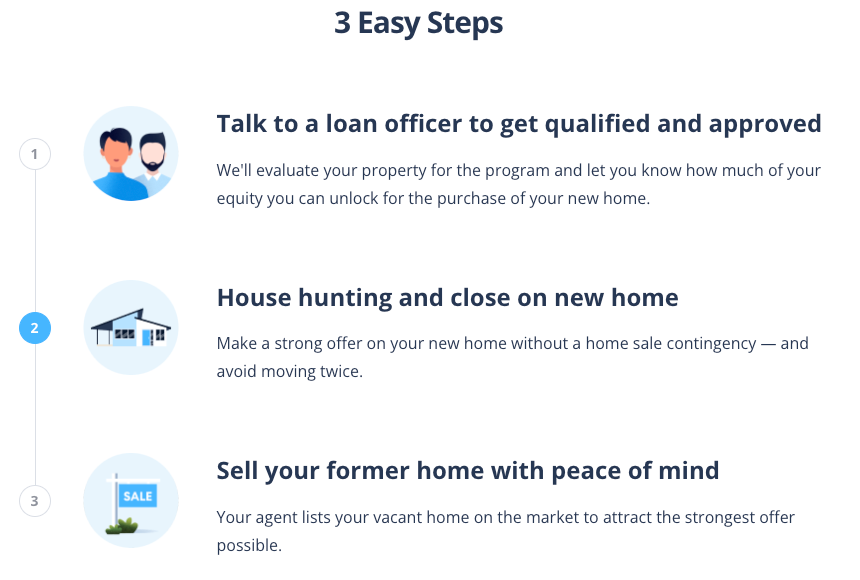
Reach out to HomeLight to get started, or ask your agent about HomeLight Buy Before You Sell to see if it’s a good fit for making your next purchase smoother and less stressful.
FAQs about how to beat a contingent offer
When a house receives multiple offers, the seller has several options: they can accept the best offer, accept an offer but keep the listing active for backup offers, reject all offers, or respond to one with a counteroffer while putting the others on hold. In highly competitive situations, sellers may also request “best and final” offers from all interested parties, giving buyers a chance to submit their strongest bid.
It depends, but most of the time, offers include a response deadline, usually around 24 to 72 hours. That said, it can be shorter or longer depending on how hot the market is or how quickly the seller wants to move. If the deadline passes and there’s no reply, your offer technically expires. But in many cases, the conversation can still keep going if both sides are open to it.
Yes, you can. Even if a home is marked contingent, you can still submit an offer. Some agents treat it like the house is still “in play” until it actually closes, so sellers may accept backup offers just in case the first deal falls through. Your chances might be lower, but it’s still worth putting your offer in. You never know if the first deal won’t go through.
The biggest mistake is stretching yourself too far financially or dropping important protections just to make your offer look stronger. Clauses like inspection and appraisal contingencies are there to protect you, so waiving them without thinking it through can backfire later. It’s important to be competitive, but your offer still needs to fit your budget and keep you covered if something goes wrong with the property.
It doesn’t happen all the time, but it’s not uncommon either. Some deals fall apart because of financing issues, low appraisals, or problems found during inspection. Still, a lot of contingent offers do make it to closing once everything checks out.
A contingent home still has conditions that need to be met before the sale is final. Pending means those conditions are basically done or waived, and the deal is much closer to closing. In short, contingent is still in progress, while pending is almost done.
How Much Is Your Home Worth Now?
Home values have rapidly increased in recent years. How much is your current home worth now? Get a ballpark estimate from HomeLight’s free Home Value Estimator.
Beat a contingent offer by partnering with a top agent
If you’re trying to beat a contingent offer, every little detail matters, from your price and terms to how your offer is presented. The tips in this post can definitely make your offer stronger, but having a solid, experienced real estate agent on your side can take things even further. A good agent knows how to position your offer in the best light and help you make smart moves that give you an edge.
If you’re ready to make a move, HomeLight can connect you with the highest-rated real estate agents in your area. These agents bring a wealth of knowledge and experience to the table, ensuring you have the best strategy to beat out contingent and other offers.
In addition, HomeLight’s Buy Before You Sell program can streamline your entire buy-sell journey and let you make the strongest offer possible to win your dream home.
Header Image Source: (artyooran.gmail.com/ Depositphotos)








 English (US) ·