
Owning a high-end home is a reflection of your personal style, but when it comes time to sell, those same choices can either attract buyers or make it harder for them to picture themselves in your space. Luxury buyers are looking for homes that feel both distinctive and flexible — a place where they can imagine living their own lives without being overwhelmed by someone else’s design.
We teamed up with experts in the home staging world to help bring expert insights on luxury home staging and how to showcase your home’s best features. Whether you live in a modern condo in Seattle or a historic townhouse in Boston, understanding how to preserve the character you love while making strategic updates is key to maximizing your home’s appeal and sale price.
1. Understand your market for luxury home staging
The first step in balancing personal style with buyer appeal is understanding your market. Luxury buyers often value sleek, neutral designs with a few signature pieces, and they tend to gravitate toward homes that feel sophisticated, spacious, and move-in ready.
Research comparable high-end listings in your area to see which finishes, color schemes, and layouts consistently sell. This insight can guide your design decisions, helping you highlight the features buyers find most desirable while keeping your personal touches subtle.
“I think the number one thing buyers want is a home they can picture themselves living in.” says Erin Hackett Nordholt, owner of Hackett House Studio. “I always recommend starting by giving each room a clear, defined purpose, then layering aesthetics that support that function. Psychologically, people are drawn to spaces that simply work well. Paint colors and furnishings can be changed fairly easily, but a home that feels intuitive and purposeful leaves a much stronger impression.”
Pro tip: Think of your home as a canvas with personality: Too much bold style in every room can make it difficult for buyers to envision themselves living there.

2. Show personality without overwhelming the space
Your home’s unique details are part of what makes it special. The trick is keeping personal elements memorable but not overwhelming or conspicuous. When staging your home, use artwork, designer furniture, or bespoke lighting sparingly, so your personality shows without taking center stage.
“Our ultimate goal as luxury stagers is to remove all traces of the homeowner and create a fresh, stylish blank slate buyers can imagine themselves in,” says Kelly Waterman of Luxury Staging Pro. “It’s often a delicate dance between the homeowner, broker, and stager to do this successfully while also respecting the emotions that come with letting go of a primary home.”
“In luxury homes, overly personalized finishes, bold color palettes, or highly thematic spaces can limit buyer appeal.” Cynthia Bolton-Smith, CEO of CCS Interior Design Group recommends homeowners to maintain their personal style “by expressing it through art, accessories, and layered details, while keeping the architectural elements and major finishes more timeless and neutral.
Artem Kropovinsky, founder and principal designer of Arsight Studio agrees that buyer hesitation often comes from spaces that feel overly personal. He says, “Personal touches simply need to be placed thoughtfully. When personality shows up in art, textiles, or sculptural accents rather than in permanent finishes, a home feels both distinctive and adaptable. Keeping the core elements calm and timeless allows buyers to connect emotionally without feeling overwhelmed by someone else’s taste.
3. Stage strategically for buyer appeal
Professional staging can make a big difference in how potential buyers perceive your home. A skilled stager will help you balance personal style with clean, open arrangements that highlight the space, light, and flow of your rooms.
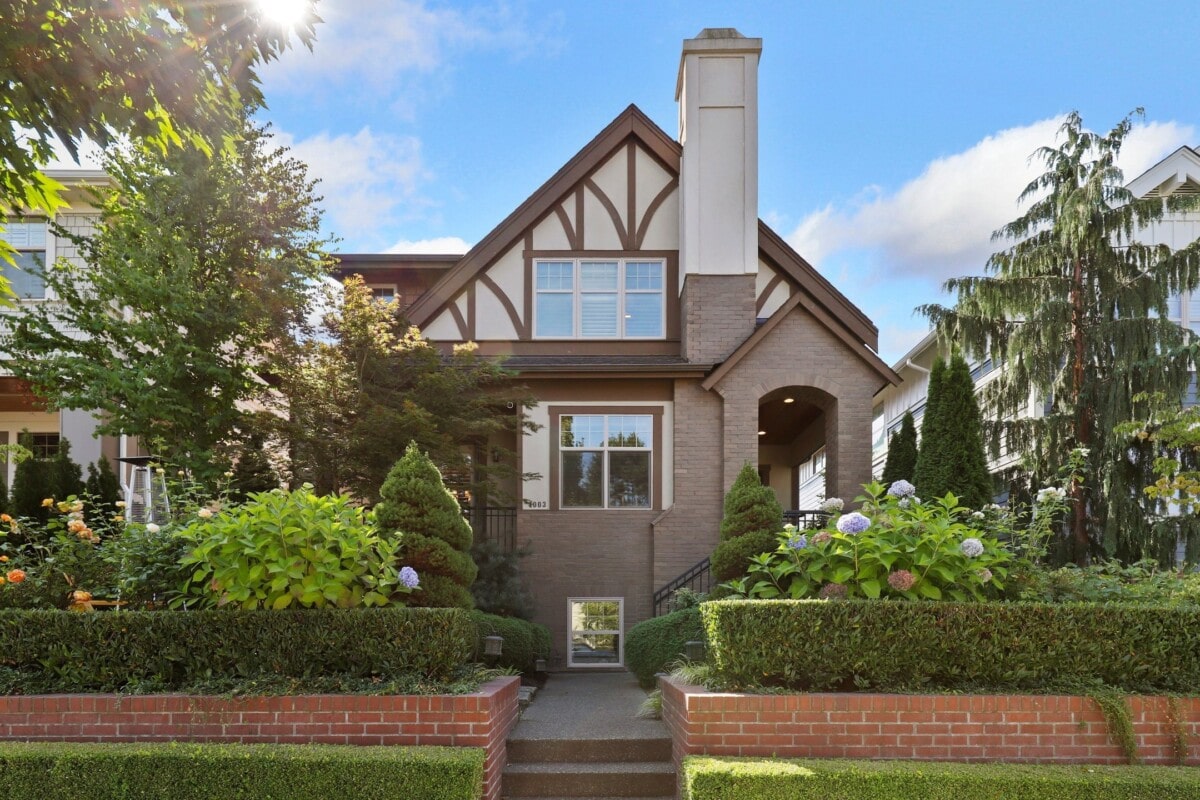
Amy Cuker, design director of down2earth Interior Design emphasizes that first impressions are very important when it comes to staging your home. “It sets the tone for the whole buying experience,” she says. “So don’t skimp on curb appeal – landscaping, flowers in urns near the front door, a punchy door color. Create a “wow” moment in the foyer that visitors will see immediately when entering the space.”
Temporary updates — like swapping out eccentric furniture or overly bold décor — can make a space feel more inviting and universally appealing. Even subtle changes can help buyers focus on the home itself, rather than the previous owner’s taste.
“Updated kitchens and baths almost always resonate well,” Kelly of Luxury Staging Pro says. “Even if the finishes aren’t exactly what a buyer would have chosen, a recently refreshed kitchen or bathroom carries timeless appeal. In the luxury market especially, buyers want a home to feel “move-in ready,” with the understanding that they can personalize the style over time to reflect their own taste.”
Laura, owner and lead designer, Lorla Studio agrees. “When staging, the key is to demonstrate how a buyer might actually use the space, which is particularly important for quirky layouts or oddly shaped rooms. Although it may seem counterintuitive, empty rooms often look smaller than they actually are. Staging with furniture and lighting enables potential buyers to better understand the home’s scale and livability.

4. Prioritize a neutral look that appeals to more buyers
Creating a more neutral look and feeling that is less personal in a luxury home is important when preparing the home for sale.
“The more neutral and inviting the space, the broader the buyer appeal.” says Ellyn Baillio, owner and designer, Ellyn B. Designs – Decorating Den Interiors. “Over-customized rooms, heavy window treatments, clutter and outdated finishes can quickly deter prospects. These elements make a home feel personal, dated or difficult to adapt. Fresh paint, removing heavy drapery, updating lighting fixtures, and enhancing landscaping can dramatically shift perception and perceived value.”
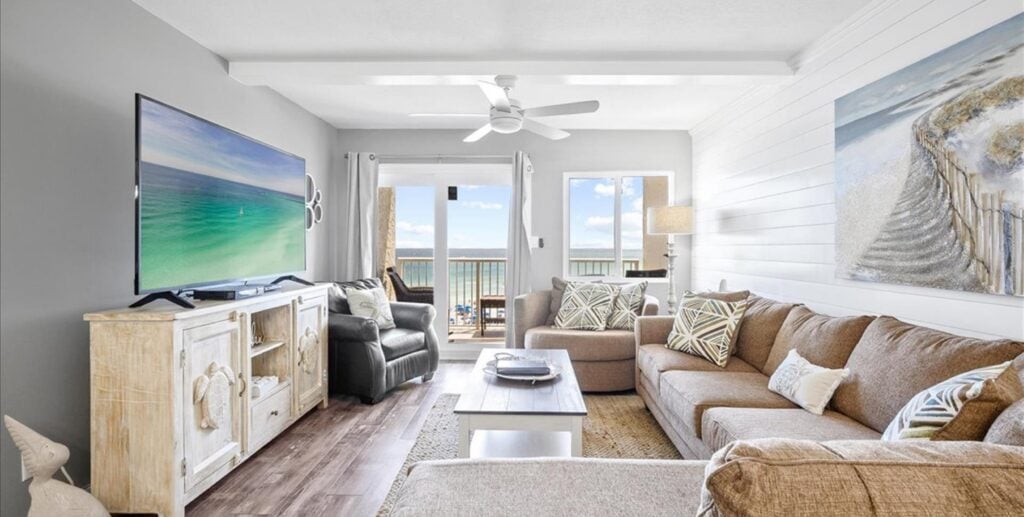
“Removing dated wallpaper and repainting current colors can go a long way to update the look.” says Rebekah Wiley owner of Design To Market Home Staging. “Even in luxury homes, people are living less formally. Creating a warm, inviting and usable environment in all the rooms in the home can be a great strategy. Changing the more formal furniture and accessories for a high end but comfortable look can make a difference.”
Brittany Hakimfar, Far Studio agrees that “if every room has a strong theme or very specific color story, buyers struggle to see themselves in it. You don’t have to strip the house of personality — it just needs to feel balanced. I always tell clients to keep the pieces that really matter, but simplify the overall story. Maybe it’s one great vintage piece instead of five, or art that adds character without dominating the room. When the space feels calm and cohesive, people connect to it immediately.”
“Updating a kitchen in a style that clashes with the rest of the home or ignores the property’s overall aesthetic is one of the fastest ways to kill buyer interest in a luxury listing — buyers crave cohesion in what’s often their biggest purchase.” says Bobbie McGrath, owner of Successful Staging. “While fresh paint and updated lighting can help create consistency, I focus on a staging approach that uses carefully selected furnishings, accessories, and neutral, warm design elements to visually connect the space with the rest of the home and create a more cohesive overall impression.”
5. Avoid trend-heavy design to keep your home timeless
While staging your home, Glenn Gissler Design says you can appeal to a broader pool of buyers by avoiding flashy trends. “I want to make sure that five or more years from now, my clients aren’t regretful about the choices that we have made for their homes.”
“I often see buyer appeal reduced when trend-heavy design feels locked into a specific era rather than layered over time.” Jasmine Artis, owner and principal designer of J’Miracle Designs says. “While bold choices can be impactful, they’re most successful when anchored by timeless foundations. Buyers respond best to homes that feel current yet enduring, rather than defined by a single moment in design.”
Jarret Yoshida, Principal Designer, Jarret Yoshida agrees that one of the most overlooked strategies is avoiding a single-era look. “When every piece of furniture, lighting, or décor comes from the same period, buyers subconsciously assume that the home itself hasn’t been updated since then.” He says, “It doesn’t require a full redesign; simply layering in contemporary lighting, updated textiles, or a few current design moments helps the home feel maintained, relevant, and ready for the next owner.”

6. Highlight lifestyle features
High-end buyers aren’t just buying square footage — they’re buying a lifestyle. Show off features that elevate daily living and entertainment, such as spa-like bathrooms, chef’s kitchens, home gyms, outdoor entertaining areas, and wine cellars. Neutral, polished décor will highlight these amenities while letting buyers envision their own life in the space.
Remember, luxury homes succeed when they feel both aspirational and livable. Your design choices should draw attention to the lifestyle potential rather than distract from it.
7. Know when to compromise
Some personal touches add value, while others may limit your buyer pool. Identify which elements make your home special and which could be polarizing. For example, custom cabinetry or a high-end appliance package is often a selling point, but overly bold wallpaper or highly personalized art may need to be temporarily replaced.
Small, neutral updates — like paint, lighting, or landscaping — can significantly increase appeal without erasing your home’s character. Strategic compromises like these help maintain the essence of your home while attracting more buyers.
8. Work with professional luxury home stagers
Your real estate agent is your first line of guidance, offering insight into buyer preferences and comparable luxury sales. Interior designers or stagers can advise on how to keep your home stylish yet flexible, and professional photographers can capture the balance between personality and broad appeal.
Working with experts ensures your home’s presentation maximizes buyer interest while preserving the qualities that make it unique.
Luxury home staging: the final touches
Balancing personal style with buyer appeal in a high-end home is about highlighting what makes your space special while creating a flexible, inviting environment. Start by understanding your market and using small, targeted updates and professional guidance to enhance buyer interest without sacrificing the character you love. With these strategies, you can confidently prepare your home for sale and attract the right buyers at the right price.











 English (US) ·