
Selling a home often comes with a lot of anticipation, especially once your listing goes live and you’re checking for showing requests and offers. Some homes attract buyers almost immediately, while others take weeks or even months to sell. If you’re wondering, “How fast will my home sell?” the answer depends on more than just luck.
Sell Your House Faster Than Planned
Use HomeLight’s Simple Sale platform to sell when you’re ready without the hassle of paying for repairs, prepping for listing, or dealing with showings. No repairs, no staging, no open houses. Receive an all-cash offer in as little as 24 hours and close in as few as 7 days.
Your asking price, local market conditions, your home’s condition, and even the time of year can all influence how quickly an offer comes in. While no one can guarantee an exact timeline, understanding what affects your sale can help you avoid unnecessary delays. The more prepared you are before listing, the better your chances of selling on a timeline that works for you.
Understanding your local market: The first step to a fast sale
If you want to sell your home quickly, start by getting a sense of what’s happening in your local market. The truth is, two nearly identical homes can have completely different selling timelines simply because they’re in different neighborhoods or cities.
Here are some of the biggest market factors that can affect how fast your home sells:
- Supply and demand: When there are more buyers than homes for sale, listings tend to move quickly, and sellers may even receive multiple offers. On the flip side, if there are more homes than buyers, you’ll likely face more competition and a longer selling timeline.
- Average days on market (DOM): This tells you how long homes are typically sitting on the market before going under contract. If similar homes nearby are selling in a couple of weeks, yours could follow a similar timeline if it’s priced right, so always keep an eye on the DOM metric.
- Recent home sales: Looking at homes that recently sold in your area gives you a better idea of what buyers are willing to pay and how quickly they’re making offers. It’s also worth checking active listings to see what you’re competing against.
- Inventory levels: Fewer homes for sale usually means less competition and a better chance of selling quickly. If there are lots of listings, buyers can afford to be pickier, so your home will need to stand out.
- Mortgage rates: When interest rates are lower, buying a home is more affordable, which often brings more buyers into the market. Higher rates can shrink the buyer pool and slow things down. Right now, average mortgage rates are sitting around 6.49%, which means buyers are more price-sensitive and may take longer to make decisions.
- Local trends: New jobs, growing neighborhoods, highly rated schools, and upcoming developments can all boost buyer interest. The more people want to move into your area, the faster homes tend to sell
- Seasonality. In most places across the United States, January through April home sales are below average, but sales pick up throughout the remainder of the year, peaking in June. However, this isn’t necessarily true everywhere, so check with your agent and use tools like HomeLight’s Best Time to Sell Calculator to see when demand is highest in your specific market.
Every market has its own rhythm, which is why national housing headlines don’t always reflect what’s happening where you live. Understanding local trends before you list helps you set realistic expectations, price your home strategically, and make decisions that can shorten your time on the market.
Buyer’s market or seller’s market? According to HomeLight’s Top Agent Insights for Spring/Summer 2026 report, the market isn’t leaning the same way everywhere. Nationally, 41% of agents say it’s a buyer’s market, showing that buyers generally have more leverage right now.
Regionally, that buyer-friendly trend shows up in the Pacific (35% of agents), Mountain (61%), South Atlantic (61%), and South Central (62%) areas.
On the flip side, agents in the Midwest (42%) and Northeast (57%) are more likely to describe conditions as a seller’s market, where sellers tend to have the upper hand.
What this highlights is how much location matters when you’re trying to gauge your selling strategy. Before listing, it’s worth zooming in on your specific market so you know which side of the negotiation table you’re likely to be on.
Choosing your quick-sale strategy: Cash buyer vs agent
You have more than one option if you’re hoping to sell fast. The right path depends on what matters most to you, whether that’s getting the highest price, closing as quickly as possible, or keeping things simple. Before you decide, it helps to understand how each approach works.
Selling your house to a cash buyer
If you need to sell your house fast, you might seek out a direct buyer instead of going the more traditional route of working with an agent. Direct buyers generally purchase property for cash, so they can do some work on the home and resell it quickly for a profit. In fact, many of these transactions can happen within a week rather than the 30 to 45 days that most traditional home closings can take.
In exchange for a cash sale and a very fast closing, direct buyers will usually tend to pay less than what you might get by listing your home with a top real estate agent. That said, selling to a direct buyer can be a great option if you want to move fast and keep things simple. It’s especially helpful if you’ve inherited a home or are going through a major life change like a divorce.
An easy way to obtain a quick all-cash offer is through HomeLight’s Simple Sale platform. Just type in your address and answer a few simple questions. We’ll provide a cash offer in as few as 24 hours, allowing you to skip repairs, prep work, open houses, as well as fees, commissions, or upfront costs.
Working with a top agent
According to recent data published by the National Association of Realtors (NAR), 91% of home sellers worked with a real estate agent to sell their home. That’s not too surprising, since there are a lot of solid reasons why most people choose to go with an agent.
First, real estate agents thoroughly understand how to prepare your home or condo to sell quickly in your geographical area. They provide insight on how to upgrade your home, prioritize needed repairs, stage your home for photos and showings, and, more importantly, price your home for your market and selling goals.
Second, agents are experts at marketing houses, making sure your listing is reaching potential buyers. The more people who see your home, the better chance you have of selling quickly.
If you’ve been watching the market closely, you know that buyer expectations change every so often. A top agent can help you figure out what buyers want in your area, whether that is a home office, a bigger backyard, or other features that fit how people want to live right now, and then position and market your home to match those preferences.
“If you have it listed with a Realtor, [your home] gets so much more exposure,” says Tracy Young, a top agent who sells homes 52% faster than the average Waterford agent. In addition to listing on the multiple listing service (MLS), agents may use social networking and share listings to reach target buyers. “It just gets an exponentially larger audience.”
Not sure where to start your search for the right agent to sell your home fast? Check out HomeLight’s Agent Matching platform. We’ll look at factors like your property and neighborhood to put you in touch with the top agent in your area who specializes in home sales like yours. Our data shows the top 5% of agents across the U.S. help clients sell their homes for as much as 10% more than the average real estate agent.
»Learn more: If you’re considering a fast sale, use HomeLight’s Cash Offer Comparison Calculator to see how a cash offer stacks up against listing on the open market. It’s a quick way to compare your options side by side so you can choose the path that gets you the best outcome.
Selling your home faster: Tried-and-tested strategies
If a quick sale is the goal, every step in the process matters more than you might think. From pricing to presentation, the right tactics can help attract buyers sooner. Follow these strategies to speed up your home sale:
1. Update and upgrade your property’s condition
A turnkey home is always attractive to buyers, but not every buyer expects perfection, especially when conditions vary. In April 2026, about 19% of buyers waived their inspection contingency, which shows how competitive some segments of the market can be. Still, when the market shifts toward balance and buyers have more options, presentation becomes much more important for sellers.
Start with the essentials and take care of any needed repairs or upgrades. Bigger issues like plumbing, electrical, or HVAC problems aren’t just inconvenient. They can also turn buyers away or even delay a sale altogether. Before listing, focus on the fixes that matter most so your home hits the market in strong, sell-ready condition.
On top of the repairs, be sure to deep clean and declutter your space, take professional photos, and improve curb appeal. That first impression really does a lot of the heavy lifting when buyers scroll through listings or pull up to the home. A little spending on landscaping and a fresh exterior paint touch-up can go a long way in boosting perceived value and helping your home sell for more.
2. Develop a staging and marketing strategy
Once your home is in good shape, the next step is making sure it actually stands out to buyers. That’s where staging and marketing come in, and they can make a big difference in how fast your home sells.
Staging is all about helping buyers picture themselves living in the space. This involves decluttering, depersonalizing, rearranging furniture to improve flow, and highlighting the best features of each room. Even small changes like better lighting or neutral decor can make a home feel more open and inviting.
Marketing is what gets eyes on your listing in the first place. In fact, 52% of buyers find their homes through online searches, which makes your digital presence just as important as your physical presentation.
High-quality photos are especially critical, with 81% of buyers saying listing photos are very useful when deciding which homes to view. Strong listing descriptions paired with broad exposure across real estate platforms can go a long way in attracting serious buyers.
To maximize reach, it helps to use multiple channels like the MLS, social media, and major real estate websites so your listing gets in front of as many qualified buyers in your target audience as possible.
A good agent will combine staging and marketing into one strategy tailored to your home and your local market. When everything works together, your home not only looks better but also reaches the right buyers faster.
3. Set an appropriate listing price
If real estate’s golden rule is location, location, location, the second most important consideration may be an accurate listing price. Pricing your home too high can scare off buyers before they even schedule a showing, while pricing it too low can leave money on the table. A well-aligned price helps generate strong early interest, attract serious buyers, and reduce the chances of your home sitting on the market longer than necessary.
According to HomeLight’s Top Agent Insights for Spring/Summer 2026 report, 82% of agents say at least some of their listings have required a price reduction in the past 90 days. That trend highlights how quickly the market can respond when pricing misses the mark and how often sellers end up adjusting after the fact to better match buyer expectations.
To jumpstart your pricing strategy, use HomeLight’s Home Value Estimator to understand your home’s current value. Simply tell us a little bit about your property (the address, type of property, its condition, and the year it was built) and how soon you’re looking to sell.
When you work with an agent, they’ll perform a comparative market analysis (CMA) to hone in on a price. In Young’s experience, if a home shows well and is priced according to the market, “I can usually get [the client] an offer in a maximum of three days.”
4. Identify your standards for accepting an offer
As the seller, you make the final decision on whether to accept any offer, and that will involve balancing time and money. If a fast home sale is your ultimate goal, or you do not want to put any work into the house before putting it on the market, you may not walk away with as much as if you were able to wait until an optimal time to sell or were willing to focus on the right repairs.
Looking to Sell Fast? A Top Agent Can Help
We analyze over 27 million transactions and thousands of reviews to determine which agent is best for you based on your needs. Meet agents who go above and beyond and keep tabs on your local market and know how to get your home sold.
How fast will your home sell? It depends on you!
Selling your home quickly usually comes down to getting the timing, pricing, and presentation right, and those pieces can really shape how things play out. Some sellers need to move within a week because of an urgent life change, while others define “fast” as a month and are more willing to take time to prepare the home and aim for a higher return.
Either way, knowing what’s happening in your local market helps you avoid guesswork and make smarter decisions. From staging and marketing to pricing and repairs, each step can have a real impact on how fast your home sells and what you end up walking away with.
If you’re ready to move forward, you can connect with a top agent through HomeLight or check out Simple Sale for a faster, more straightforward selling option.
Frequently asked questions (FAQs) about fast home sales
The fastest way is to sell directly to a cash buyer or investor who can close without financing delays. These deals can wrap up in as little as a week or two since there’s no appraisal or mortgage approval process. The tradeoff is that you’ll typically get a lower price compared to listing on the open market.
It depends on your price, location, and how hot the market is. Some homes get multiple showings in the first week, while others might only get a few if pricing or presentation is off. A good agent can help you gauge what’s normal for your area and adjust if things are slow.
Yes, cash offers usually close faster because there’s no lender involved. Without mortgage approvals or appraisal delays, the process is much simpler and more predictable. If you’re keen on taking a cash offer, be sure that the offer is solid and from a reputable buyer before moving forward.
Yes, making repairs usually helps a home sell faster, especially when you fix issues that affect how the home looks and functions, like plumbing, lighting, or obvious wear and tear. Buyers tend to move more quickly when a home feels well-maintained and move-in ready, so even small updates can make a difference.
If you want to sell fast without doing repairs, you can sell as-is to an investor or a traditional buyer who is comfortable with fixer-uppers, but expect lower offers since buyers will factor repair costs into their price.
One clue is if your home gets strong interest immediately and sells quickly without much negotiation, especially if similar homes in your area are sitting longer. You might also notice that buyers are competing for it right away, which can be a sign that it was priced on the lower end. If you start seeing feedback or data that comparable homes sold for more, that can suggest you left some money on the table.
A fast sale can sometimes mean accepting a lower price than you would with more time on the market. On top of that, some quick-sale options come with investor fees or discounts that reduce your net proceeds.
Yes, you can sell a home soon after buying it, but it often comes with financial tradeoffs you might not expect. When you sell early, you usually haven’t built much equity yet, so most of the proceeds can get eaten up by closing costs, commissions, and possible taxes.
That’s why many homeowners use the five-year rule as a rough benchmark, since it typically takes time for the numbers to work in your favor. If you’re thinking about selling quickly, it’s worth checking whether you’d actually walk away with meaningful profit or just break even.
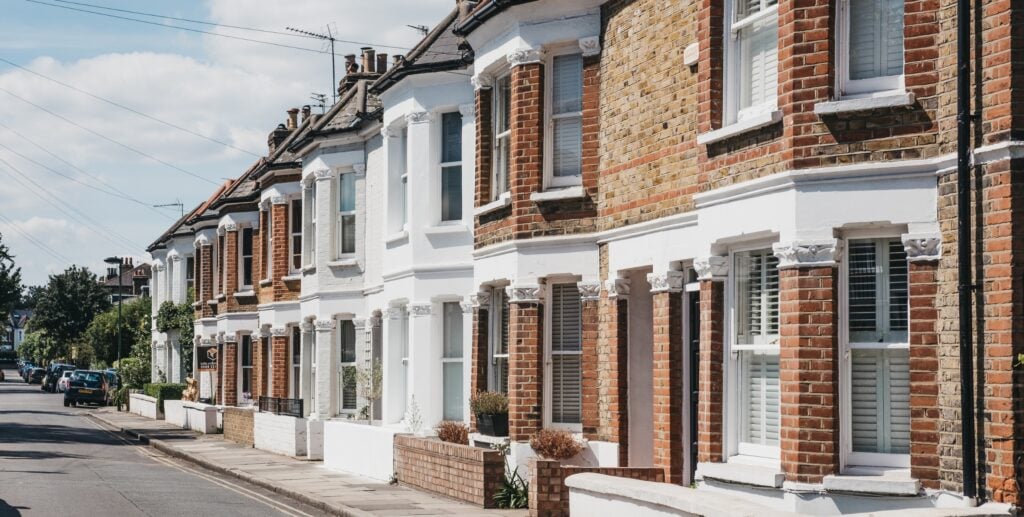
Header Image Source: (Peter Yost / Unsplash)







 English (US) ·