
Banks are offering up to $3000 in cashback to lure borrowers, but experts warn the upfront bonus can be wiped out by about $1000 in refinancing costs.
Millions of households are being lured by $3000 bank bonuses but experts warn hidden fees and interest traps leave families worse off.
Aussies are being lured into a $3000 “sugar hit” mortgage trap as banks push cashback offers that can be wiped out by higher interest rates and a $1000 fee sting.
New research from Finder shows 59 per cent of Australians, or 12.6 million people, would switch providers for cashback as cost-of-living pressure bites.
RELATED: Bidding war looms for $8m Melb retirement village
‘Wow’: ‘Manipulator’ Reno Rules star exposed
Shock ‘Temu’ store takes over Aus Bunnings
Finder personal finance specialist Taylor Blackburn said cashback was no longer confined to shopping perks, with rewards now being offered on “the bills that hit households the hardest”.
“Stacking cashback across multiple household bills, from your home loan to broadband, could add up to hundreds of dollars back in your pocket each year,” Mr Blackburn said.
Finder personal finance specialist Taylor Blackburn says cashback offers are now targeting essential household bills, with millions of Australians open to switching for financial incentives.
But Mr Blackburn also warned households to look beyond the upfront reward and make sure the ongoing costs still represented good value over time.
Mortgage Choice broker Rhys Elmi said the deals only deliver savings when fees, rates and loan structure are properly assessed.
“There is real value only if used correctly,” Mr Elmi said.
“At the end of the day, you have to ask yourself if that short-term ‘sugar hit’ is actually worth it once you factor in everything else.”
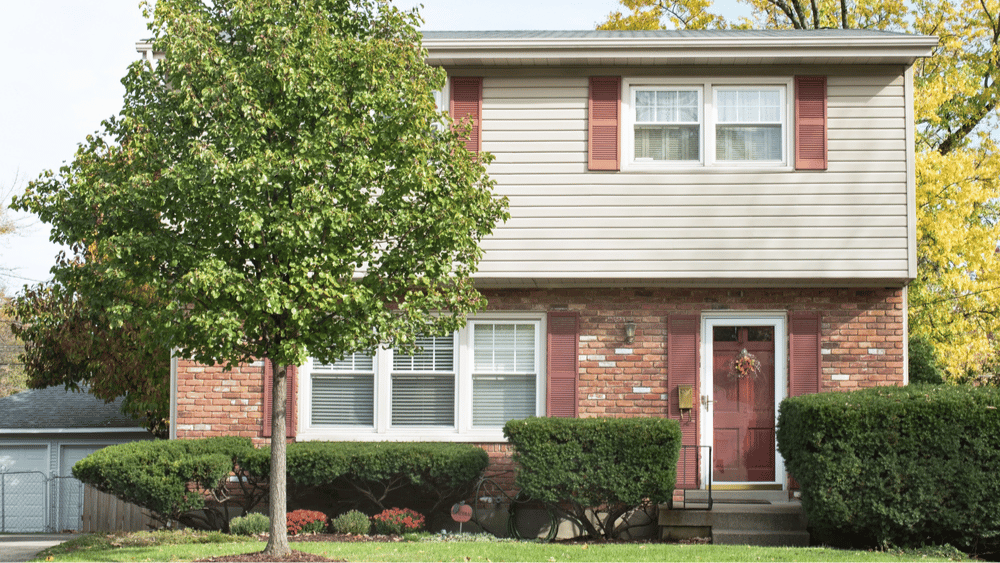
Homeowners face about a $1000 bill to refinance, wiping out a large share of any upfront cashback before real savings begin.
Mortgage broker Rhys Elmi says chasing a short-term “sugar hit” can leave borrowers worse off if the numbers do not stack up.
Mr Elmi said borrowers lose money when they chase the upfront bonus instead of focusing on long-term costs.
“When you refinance, there are always costs involved,” he said.
“In some cases, those costs outweigh the cashback if the deal has not been properly assessed.
“You need to factor in the interest rate, the loan structure and how long you plan to stay with that lender. If you do not, you end up worse off.”
The Mortgage Choice broker said one of the biggest risks is homeowners treating their mortgage like a short-term product and jumping between lenders chasing incentives.
“During the Covid period, some borrowers refinanced every six months to chase cashback offers. It stacked up for some, but created extra costs,” Mr Elmi said.
More than 12.6 million Australians would consider switching providers for cashback rewards as cost-of-living pressure bites.
“Now, it is far less effective. Switching too often, especially every 12 months, becomes counterproductive.”
Mr Elmi said borrowers should focus on realistic timeframes instead of relying on long-term projections.
“Most borrowers refinance every three to five years due to life changes, so it is smarter to look at what you are saving over that period rather than over a full 30-year term,” he said.
Mr Elmi said the bottom line for borrowers is simple.
“If you move to a higher rate just to get a cash bonus, it does not save money,” he said.
“The extra interest you pay over time outweighs the benefit.”
Imogen Alexy warns repeatedly refinancing to chase cashback deals can extend loan terms and increase long-term interest costs.
Frame Finance director Imogen Alexy said cashback can help cover upfront costs such as discharge and establishment fees, but should never drive the decision.
“When you refinance, there are costs involved, so cashback can make the transition easier,” Ms Alexy said.
However, she said the real benefit comes from securing a lower rate or a more suitable loan structure.
“It is an added incentive, but the real benefit comes from getting the rate and structure right,” she said.
Refinancing fees can hit about $1000, reducing or wiping out the benefit of upfront cashback offers. Picture: Jake
Ms Alexy said repeatedly chasing cashback deals increases long-term costs, particularly when borrowers reset their loan term.
“If you refinance back to a full 30-year term, you extend the life of the loan,” she said.
“That adds a significant amount of interest over time.”
Sign up to the Herald Sun Weekly Real Estate Update. Click here to get the latest Victorian property market news delivered direct to your inbox.
‘Inevitable’: Grim housing crisis warning for Victorians
david.bonaddio@news.com.au










 English (US) ·