
Australia’s population is growing three times faster than new housing is getting built due to record levels of migration coupled with sluggish home construction, new figures have revealed.
Experts have warned the result of the imbalance is that competition for housing could intensify this year even as interest rate hikes and the fuel crisis threaten to pull down home prices.
Analysis of ABS figures by conservative think tank the Institute of Public Affairs showed population growth over 2023 to 2025 was 1.5 million against a total 527,222 housing completions.
Institute of Public Affairs senior fellow Dr Kevin You said the mismatch between supply and population growth revealed why the country continued to have a housing crisis.
“Population growth since the end of the pandemic has been almost three times the number of houses constructed,” Dr You said.
Housing supply has not kept up with population growth, the IPA argued.
“The data is clear: housing supply has failed to keep up with a population growth fuelled by mass migration. This is why home ownership is increasingly out of the reach of young Australians.”
Dr You noted that the latest ABS figure for net permanent and long-term arrivals was 57,270 people in January.
It was the highest net arrivals figure ever recorded in the first month of the year, according to IPA analysis.
MORE: Full list: Suburbs where prices have dropped
The bumper month came off the back of a year of high people flows: net permanent and long-term arrivals totalled 494,540 in the 12 months to January 2026, the highest in recorded history.
“Records continue to be smashed with this government’s promise to cut migration in absolute tatters, as half a million would-be migrants arrived on a net basis,” Dr You said.
“The number of people coming to settle in Australia reached record highs, as the size of Australia’s migrant population is growing larger than ever.”
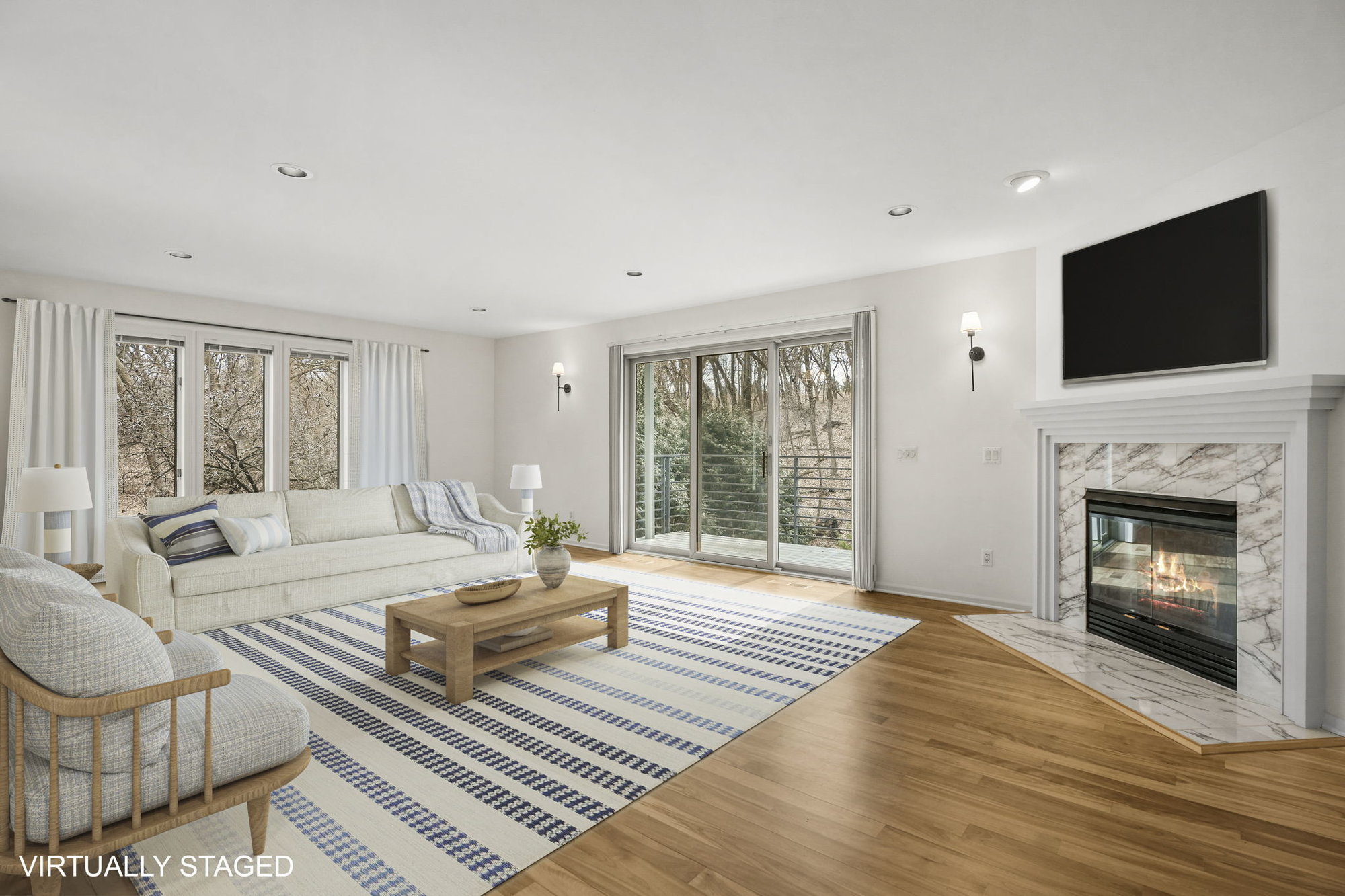
Housing demand, especially in the rental market, is expected to remain competitive because of property supply shortages. Picture: Rohan Kelly
It should be noted that net permanent and long-term arrivals data is only one of many measures of migration flows and can be skewered by people entering and exiting the country multiple times.
The ABS’ latest net overseas migration figures, published in December, told a somewhat different story.
These figures, which are used for population estimates, indicated net migration was 306,000 in 2024/25, down from 429,000 a year earlier, but well above pre-Covid averages.
Net migration over the year to September 2023 was a record 555,000 people.
MORE: Migrant, in Aus as student, has 56 homes
Dr You said there was a high number of people living in Australia on temporary visas, such as students, who were not counted in net migration figures but were still putting pressure on housing, via rents.
Home Affairs data showed there were 2.98 million temporary visa holders staying or residing in Australia in January, the highest number on record. It marked a 4.24 per cent growth from January 2025.
NET OVERSEAS MIGRATION OVER 2024/25
Net overseas migration in Australia over the year to June 2025. Source: ABS
“The number of migrants in Australia is still growing to record levels month after month” Dr You said.
Previous IPA analysis of ABS data showed that between 2020 and 2025, the number of months it took to build a house to completion increased by 34 per cent across Australia, while the cost of building materials increased by 35 per cent.
HOUSING SUPPLY VS. DEMAND
Kent Lardner, head of research at property analytics firm FoundIt, criticised bureaucrats and politicians for ignoring the demand side of the housing equation.
Migration has become a hot-button issue over recent years and support for parties who want a reduction, such as One Nation, have increased. Picture: Hilary Wardhaugh
“Since Covid, there has only been one issue talked about regarding house prices, which is supply. In reality, anyone who has done high school economics, knows its supply and demand,” Mr Lardner said.
Mr Lardner pointed to Canada and New Zealand as examples of countries that successfully reduced home prices by taking their “foot off the accelerator” on inbound migration.
“When you look at it in this way, the completion of new homes versus how many people are arriving is a very sad state,” he said.
Imbalances between population growth and housing supply have resulted in severe economic consequences for the rental market.
Housing demand is expected to remain high even as the ongoing fuel crisis weakens the economy. Picture: Morgan Hancock/Getty
Australian renters are now committing a record 33.1 per cent of their gross median household income to housing costs, FoundIt research showed.
THE RENTAL CRISIS
Gerard Burg, Cotalty head of research, revealed that five years of sustained rental growth has added roughly $202 per week to the typical Australian household’s rent.
With vacancy rates plunging below 2 per cent in every capital city, Mr Burg warned that renters have “very little negotiating power and fewer options”.
SQM Research managing director Louis Christopher warned that without stabilising population growth or a massive boost in housing supply, rental pressures will remain elevated.
He pointed out that the government is lagging far behind its target to build 1.2 million new homes by 2029, suggesting that migration cuts are the most effective immediate solution.
“If (migration) dropped, you would see rents fall in Sydney and Melbourne,” he said in March.
The Albanese government has been criticised for the level of migration intake. Picture: Hilary Wardhaugh/Getty Images
Mr Christopher clarified this was squarely an issue of housing supply and political decision making in Canberra – migrants themselves were not to blame.
Tim McKibbin, CEO of the Real Estate Institute of NSW, said residential vacancies in Sydney hit a 12-month low of 1.5 per cent in March 2026.
“REINSW members across NSW are telling us that they’ve never experienced such a sustained period of rental crisis,” Mr McKibbin said.
He added that tenants are frequently staying in unsuitable properties simply to avoid the brutal competition of the open rental market.
MIGRATION COMPLEXITIES
The interplay between migration and housing supply remains hotly debated, with speakers at a recent Melbourne Economic Forum revealing the issue remained complex.
University of Melbourne associate professor at the department of economics Andrew Clarke told the forum that reducing migration intake had trade-offs.
“Reducing migration could ease pressures on housing demands. But it also reduces labor output and fiscal capacity. So the trade-off comes with costs,” Professor Clarke said.
“When we talk about immigration, the debate is often framed in terms of numbers, are levels too high or too low? But that’s actually the wrong question. The real question is: what outcomes do we care about?
“Australia’s immigration policies should be shaped by clear objectives: productivity, social cohesion and improved living standards, guided by rigorous, evidence-based policy design, not by culture-war rhetoric.”



 English (US) ·