


RBA Governor Michele Bullock will now have to contend with slower annual wage growth rates in her rate calculations.
Australian wage growth has continued to cool, easing inflation fears and raising hope the Reserve Bank may finally deliver interest rate relief to struggling mortgage holders.
The latest Wage Price Index (WPI), released by the Australian Bureau of Statistics (ABS) today, shows wages rose a steady 0.8 per cent over the March quarter, bringing the annual growth rate down to 3.3 per cent.
It marks a step down from their blistering post-COVID growth rate, with annual pay packets peaking at 4.3 per cent in late 2023.
ABS head of prices statistics Sue-Ellen Luke confirmed the intense upward pressure on wages had levelled out, though she noted growth remained “above pre-pandemic rates”.
MORE: Inside Dolphins player’s dream home
Property titan joins Darren Lockyer’s UK takeover
Quarterly wage growth has remained steady since September 2025
“Quarterly wage growth has remained steady at 0.8 per cent since September quarter 2025,” Ms Luke said.
“Annual growth in wages was 3.3 per cent, largely unchanged from 3.4 per cent in December quarter 2025.”
REA senior economist Angust Moore said the RBA has kept a close watch on the WPI, previously warning sustained high wage growth could fuel inflation and keep interest rates higher for longer.
With annual wage growth now off the boil, market confidence of a coming rate cut was expected to follow.
“The RBA is laser focused on inflation at the moment, and their forecasts that it will remain above their target is why a hike later this year looks very likely,” Mr Moore said.
“Today’s wage data isn’t going to materially change that story and outlook.”
MORE: $30m sale signals new boom for Cairns tourism
Budget tax reforms’ hidden sting for young Aussies
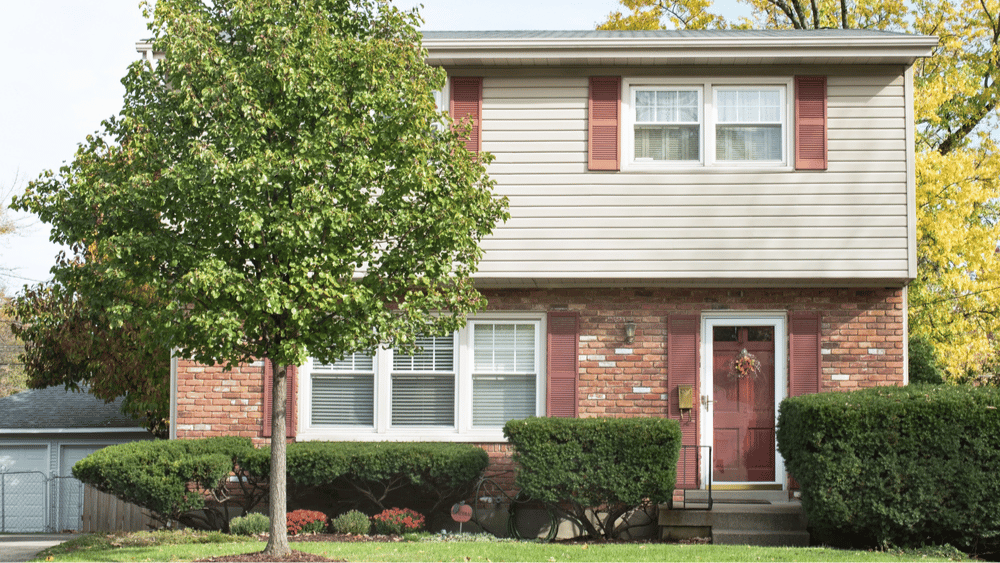
Battered mortgage holders are hoping for rate relief from the RBA
MORE NEWS
Taxes ‘bookend’ horror year for home buying
Shock as Boost Juice axed, staff in limbo
The data drop also delivered a silver lining for the nation’s ongoing housing supply crisis.
Runaway labour costs that have crippled developers and blown out new home build contracts over the past three years looked to be stabilising.
While trades remained in high demand, construction wages rose just 0.5 per cent over the quarter, officially falling below historical trends.
Construction sector wages stabilised in line with national average
Help us improve your reading experience
Got a minute? Your feedback will help us build a better experience for you.
Help us improve this page








 English (US) ·