
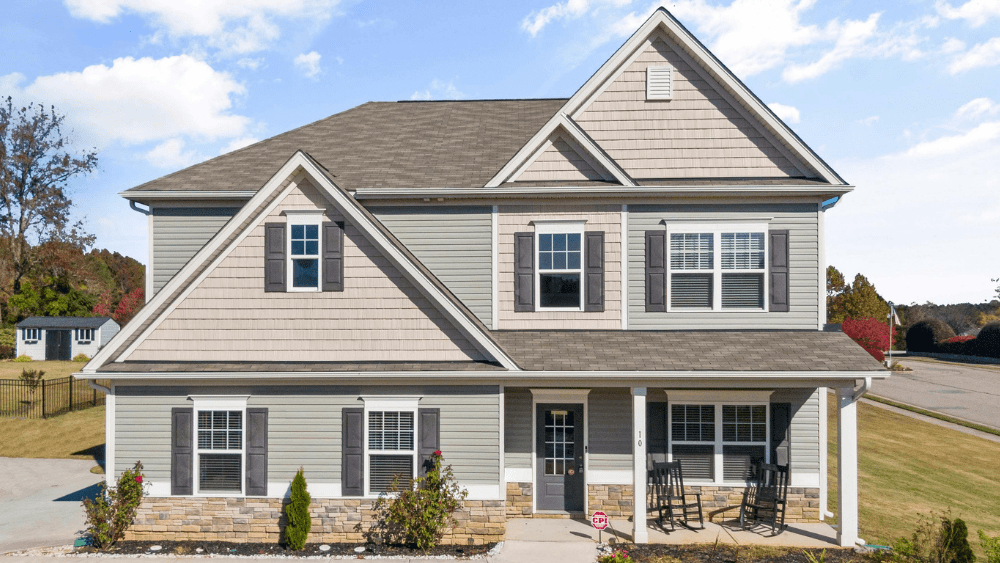
This Baulkham Hills home recently sold for $1.82m, but the real cost over 30 years would be closer to $3.6m.
Sydney houses have become nearly twice as expensive as listed prices indicate, spurring a growing risk for the economy, retirement incomes and family finances.
Forget paying $1m: new research has revealed the average Sydney house will actually cost over $3m once factoring in the hidden long-term costs, while a typical unit will require an outlay of about $1.65m.
The alarming study by Finder.com.au examined the real costs of buying a home once accounting for stamp duty taxes, deposits, purchase prices and interest charges over the life of the loan.
It indicated housing has become even more costly than widely reported, with a purchase at the city median house price of $1.62m costing closer to $3.1m over the course of 30 years if using a 20 per cent deposit. This included a staggering $72,800 bill for state government stamp duty charges.
Those using a 10 per cent deposit at the same purchase price would be shelling out $3.3m at the end of their loan term if they did not make extra repayments, Finder revealed.
This would rise to a total cost of $3.8m over 30 years if buying with a 10 per cent deposit in Hills District suburb Baulkham Hills – currently the most popular suburb in Sydney for detached house searches. The suburb median price is $1.93m.
MORE: Aussie cricket stars’ shock wealth exposed
Even those buying units in some of the city’s cheapest suburbs such as Penrith (making first-home buyers eligible for stamp duty discounts) would be paying more than $1m over the life of their loans, well above the average purchase price of $570,000.
These results assumed interest rates remained stable over the loan period.
Finder home loans expert Richard Whitten said the real costs of housing were rippling through the economy.
“Interest is a killer,” Mr Whitten said. “Australian property prices are so high that the interest most of up pay over 30 years now is astronomical.
“It suggests interest rates will have to be somewhat constrained in the future. If Australians are borrowing a million dollars to buy a house then a 7 or 8 per cent interest rate could ruin them.”
MORE: Investor preparing to buy 10,000 Aus homes
Finder Home Loans expert Richard Whitten said some home buyers may underestimate the true cost of their houses.
It comes as economists warn interest rate rises may be back on the table late next year as a result of soaring energy costs reigniting inflation.
My Housing Market economist Andrew Wilson said there may be an argument for the Reserve Bank to “take back” one of this year’s cuts if energy prices continue to rise over 2026.
VanEck head of investment and capital markets Russel Chesler said earlier this month there was a “possibility” that “the next move could be a rate increase if inflation doesn’t change course”.
CBA too has winded back its previous forecasts for additional rate cuts, declaring the current rate cutting cycle finished, with no cuts likely next year.
The other big four banks still forecast a cut early next year.
Ray White chief economist Nerida Conisbee said the real costs of buying a home suggested the economy was far more vulnerable to rate changes than in the past.
MORE: Two-bedroom Aussie house sells for just $50
Home owners Mark and Kristy Lawrenson said they refinance regularly to make sure they save as much on their loans as possible. Picture: Thomas Lisson
The RBA would be playing with fire if it were to repeat its 2022-2023 run of 13 successive interest rate hikes as it could potentially strangle the whole economy, she said.
“It doesn’t take much of an increase any more to completely slow things down,” she said, adding that high debt levels were a result of banks pushing households to borrow more.
“Banks are pushing for people to take on longer debt,” Ms Conisbee said. “If you look at the average length of a home loan, the standard used to be 25 years. Now it’s 30 and some banks are offering 40.
“The finance products offered by banks enable (home buyers) to borrow more by encouraging people to take on debt for longer.”
Digital Finance Analytics data scientist Martin North said household incomes had not caught up with prices.
“Higher home prices have led to bigger mortgages, with debt growing much faster than incomes,” he said, explaining the result was households hunkering down, leading to lower economic activity.
Some economists warn RBA Governor Michele Bullock is unlikely to be announcing interest rate cuts any time soon. Picture: Nikki Short
Western Sydney homeowner Mark Lawrenson said he tried to ease the burden of property ownership by refinancing every few years.
He hoped the Reserve Bank would deliver more rate cuts. “Any little bit helps,” he said. “Every time you hear rates were cut that’s always good news because that just frees up more money for our pockets.”
Mortgage Choice Beecroft broker Richard Brown said the high ongoing costs of homeownership were compounded by banks often giving long-term customers a raw deal with higher rates than new customers.
He suggested homeowners shop around and make sure they are on the best loan on the best rate.
– With additional reporting by Kaylee Cranley






 English (US) ·