
Real estate professionals spend a lot of time talking about interest rates, inventory, concessions and price reductions. We should, of course. Those factors shape affordability and timing in every market. But, homebuying has never been only a financial decision.
For many buyers, a home is also emotional, generational and cultural. It is where children will grow up, where aging parents may one day live, where a family will gather, celebrate and build wealth. For some households, that decision-making process includes traditions and beliefs that many in the industry still underestimate, including feng shui and broader cultural symbolism.
This conversation feels especially timely in 2026, the Year of the Fire Horse, a rare point in the Chinese zodiac cycle that began with the Lunar New Year on February 17, 2026, and runs until February 5, 2027. In the zodiac’s 60-year cycle, the Fire Horse appears only once every six decades.
As an Asian American real estate leader in Denver, I see this as more than a lifestyle trend or social media curiosity. For some buyers, cultural beliefs influence how they interpret a home’s energy, layout and long-term potential.
What buyers may be noticing this year
The Year of the Fire Horse is often associated with movement, boldness, intensity and momentum. That symbolism alone does not dictate a home purchase. But it can amplify interest in themes many buyers already care about: prosperity, flow, balance, energy and how a home “feels” the moment they step inside.
For buyers who value feng shui, a few details tend to stand out.
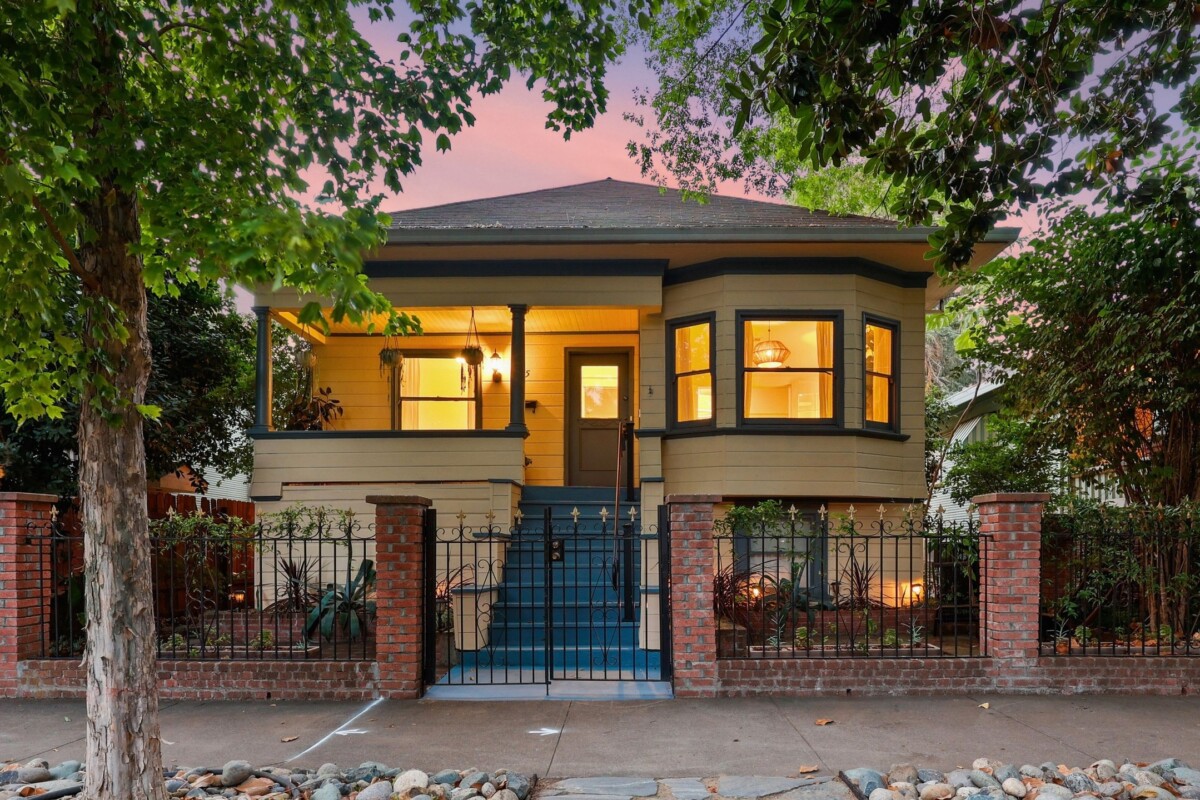
One is the front entry. In feng shui, the front door is often described as the main portal through which energy enters the home. If the entry feels cramped, chaotic or poorly aligned, that can shape first impressions quickly. Likewise, if a staircase sits directly in line with the front door, some buyers may see that as a sign that energy, and symbolically money, moves out too quickly.
The kitchen, which many traditions connect to nourishment, health and abundance. Buyers who follow feng shui may pay close attention to the relationship between the stove and sink, since fire and water are seen as opposing elements. A direct clash between them may feel less harmonious to those buyers, even if the kitchen is beautiful by conventional design standards.
Then there is the issue some agents may encounter more often than they admit: numbers. In Chinese cultural contexts, the number 8 is widely associated with prosperity, while 4 is often avoided because of its phonetic association with death in several Chinese languages. That can affect how some buyers react to a property address, floor number or unit number before they have even toured the home.
Bedroom placement can matter, too. Some buyers want the primary suite to feel protected, private and calm rather than exposed to heavy traffic or positioned in a way that feels unsettled. More broadly, feng shui-minded buyers often respond strongly to whether a home feels balanced rather than merely updated.
Why this matters professionally
It is easy to dismiss these preferences if they are not your own. But the best Realtors do not decide for clients what should matter. They listen to what does matter. If a buyer tells you an address is a concern, or hesitates because the stairs face the entry, or asks questions about bedroom placement, the worst response is to roll your eyes and reduce it to superstition. The better response is curiosity, respect and problem-solving.
It means asking better questions:
- What feels off to you about this layout?
- Are there specific features you want to avoid?
- Would a different configuration feel more aligned for your family?
Those questions build trust. And trust is often the difference between a client who feels seen and one who feels managed. In a diverse area like Denver, cultural fluency is not extra credit. It is part of modern representation. Buyers bring many frameworks into a transaction: faith, family structure, accessibility needs, multigenerational priorities, school considerations and, yes, cultural beliefs about luck, harmony and home. Our job is to navigate them with professionalism.
A smarter way to talk about home
There is also an opportunity here for the industry to broaden how we talk about housing itself. Buyers are often trying to assess something much harder to quantify than price per square foot: whether a space supports the life they want to build.
That may show up as a desire for natural light, a calmer entry, better room placement, more visual balance or a stronger feeling of ease. Sometimes buyers will describe that in design language.
Sometimes they will describe it through culture and symbolism. The Year of the Fire Horse gives us a timely reason to acknowledge that truth. It reminds us that buyers do not enter the market as spreadsheets. They arrive with values, histories, rituals and hopes.Real estate professionals who understand that will not just be more culturally aware.
They will be more effective.
Because when clients feel understood, they make decisions with more confidence. And when an industry learns to respect what matters to different communities, it becomes better at serving all of them.
Lisa Nguyen is President of the Denver Metro Association of Realtors.
This column does not necessarily reflect the opinion of HousingWire’s editorial department and its owners.
To contact the editor responsible for this piece: [email protected]



 English (US) ·