
The cost of owning a home in Queensland has become even more unaffordable — especially for lower income households, a new report reveals.
A median-income household earning just under $115,000 could afford only 14 per cent of all homes sold in the 2025 financial year — down from 18 per cent a year earlier, according to the PropTrack Housing Affordability Report, released today.
But conditions are not as bad as in 2007-08 when interest rates were more than eight per cent, the report found.
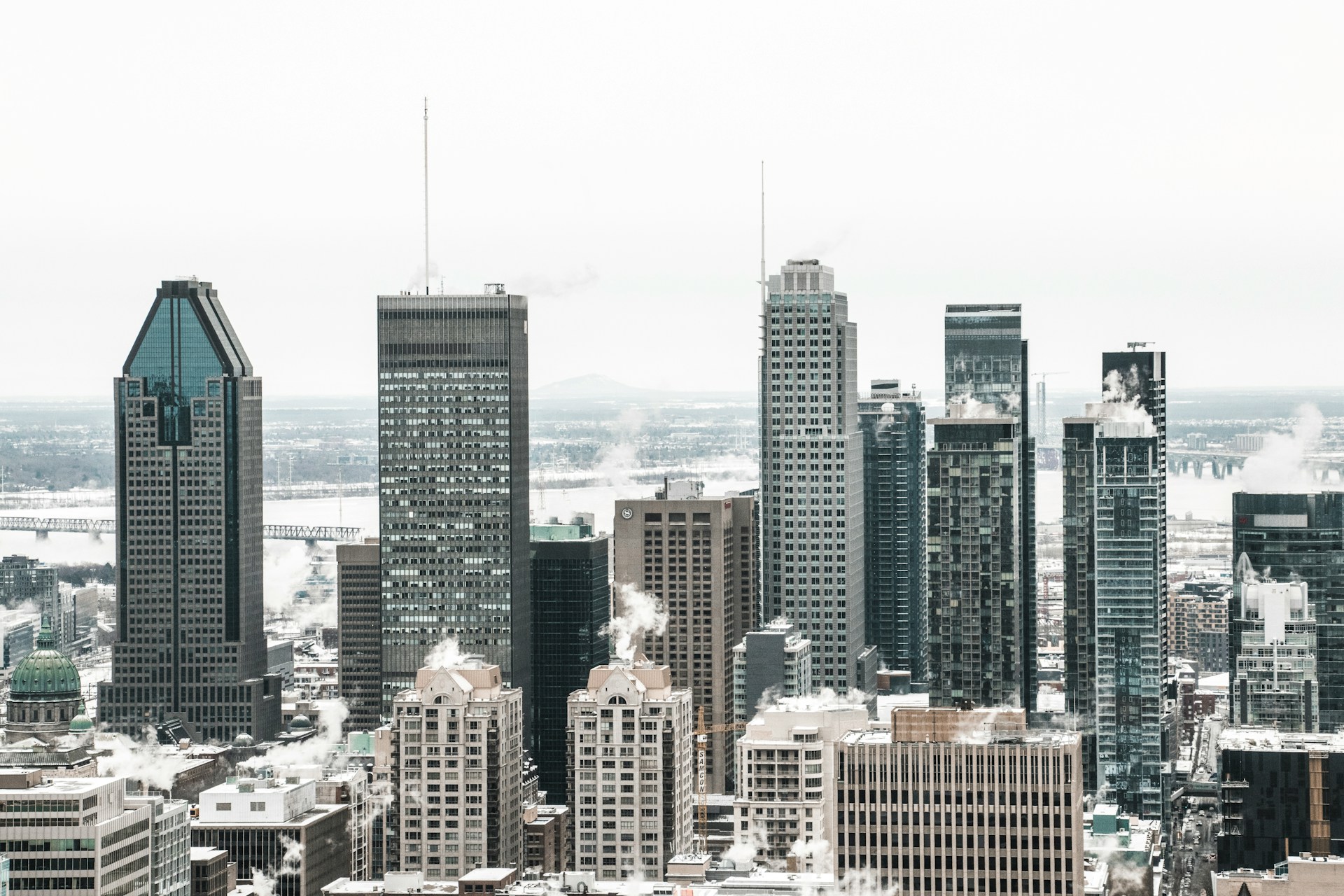
Housing affordability deteriorated across Queensland last financial year, with Brisbane particularly unaffordable. Photo: John Gass.
MORE: Byron billionaire’s row site sells for $25m to celebrity developer
Sutherland Ave, Ascot home sells for new Brisbane record of $23 million
Faster home price growth at the more-affordable end of the market over the financial year meant affordability worsened further for lower and middle-income households, while higher income households could afford a slightly larger share of homes.
In Queensland, an average income household saving 20 per cent of their income for a deposit, would need to save for just over six years – the highest level on record for the state, and would need to spend around a third of their income on mortgage repayments.
REA Group senior economist Angus Moore said that while New South Wales and Victoria had seen improvements in housing affordability in the past financial year, Queensland deteriorated.
PropTrack senior economist Angus Moore. Picture: Supplied
“The simple answer is, we’ve just seen very strong home price growth across Queensland,” Mr Moore said “That’s not unique to the last year.
“We’ve been seeing that since 2020, but the fact that home prices are continuing to grow has more than offset the increase in borrowing capacity from lower rates and higher incomes.”
Brisbane’s median house price surpassed $1m earlier this year and now sits at $1.126m, according to PropTrack — the second most expensive capital city behind Sydney.
The typical Queensland household can now only afford 14 per cent of properties sold in the state.
“One of the things we’ve seen in recent years is it has been very hard to build new homes for a lot of reasons, but, but one of those being the difficulty in sourcing skilled labour,” Mr Moore said.
“And, while in New South Wales and Victoria, that’s starting to ease a bit as state government infrastructure projects start to roll off, it’s probably less true in Queensland over the next decade. And there’s a lot of infrastructure to be delivered.”
Matusik Property Insights director Michael Matusik said household incomes in the Brisbane local government area had lifted by just four per cent since 2015, while house prices had risen 125 per cent in that time.
Matusik Property Insights director Michael Matusik.
MORE: ‘Great Australian Scam’: Two thirds of homes for sale without a price
Dirt poor: Block of land now costs $700k in Olympic city
“This divergence between income growth and dwelling values lies at the heart of Brisbane’s current affordability challenges,” Mr Matusik said.
“For many younger households — or those reliant on what they earn in terms of wages or a salary — buying a house in Brisbane is now cactus.
“Buying a unit is still possible for those starting out, but most of the older resale units that they can afford are either one-bedroom or tight two-bedroom stock in old walkups.
“Yes, many of us started our property ladder that way, but we were not paying 5 times (or more) of our household wages from the get go, nor were the steps on the property ladder so wide.”
PropTrack’s latest Housing Affordablity Index reveals the cost of owning a home in Queensland rose in the past financial year. Photo: John Gass.
Mr Matusik said aspiring homeowners in Brisbane now faced structural barriers that income growth would not overcome, unless supply and pricing pressures were addressed.
It comes as the Real Estate Institute of Queensland’s (REIQ) latest median sales data for the September quarter reveals insufficient housing supply is continuing to cost Queensland home buyers, putting sustained upward pressure on property prices across the state.
“Across every corner of the state, prices are climbing in a concerning but classic supply story – when demand outstrips new housing delivery, prices inevitably move higher,” REIQ CEO Antonia Mercorella said.
“The data shows that regional Queensland is driving some of the most dramatic price movements, while Greater Brisbane and its surrounding LGAs remain solid but less explosive.
“The particularly strong regional gains highlight that both investors and owner-occupiers are looking beyond the southeast corner for relative value and growth.”






 English (US) ·