
Rising fuel costs and inflation has caused consumer confidence to fall sharply, but some aspiring buyers and upgraders are seeing a window of opportunity into the housing market.
Consumer confidence fell sharply in April as households brace for rising costs and a hit to their finances in the months ahead.
It could, however, present a rare opportunity for those seeking to get into the housing market, a new survey shows.
The latest Westpac-Melbourne Institute Consumer Sentiment Index fell 12.5% in April to 80.1, down from 91.6 the previous month. A reading of less than 100 indicates pessimists outnumber optimists.
Westpac head of Australian macro-forecasting Matthew Hassan said the April sentiment drop is the biggest monthly decline since the onset of the COVID pandemic.
“At 80, the index is back near historical lows, albeit above the extremes seen at the onset of the pandemic and during the recessions of the early 1990s and 1980s,” Mr Hassan said.
The index factors in how consumers feel about the short- and medium-term economic outlook, the timing of spending decisions, and how their family finances stack up compared with 12 months ago.
Surging fuel costs and rate rise fears were behind the sharp fall in consumer confidence, but when looking at the housing component of the survey, Mr Hassan noted homebuyer sentiment had improved.
While high-interest rate environments negatively impact borrowing power for buyers, the index’s ‘time to buy a dwelling’ sub-index rose 3.5% to 85.8.
This was largely driven by positive sentiment in so called ‘mortgage belt’ regions, often most affected by rising interest rates.
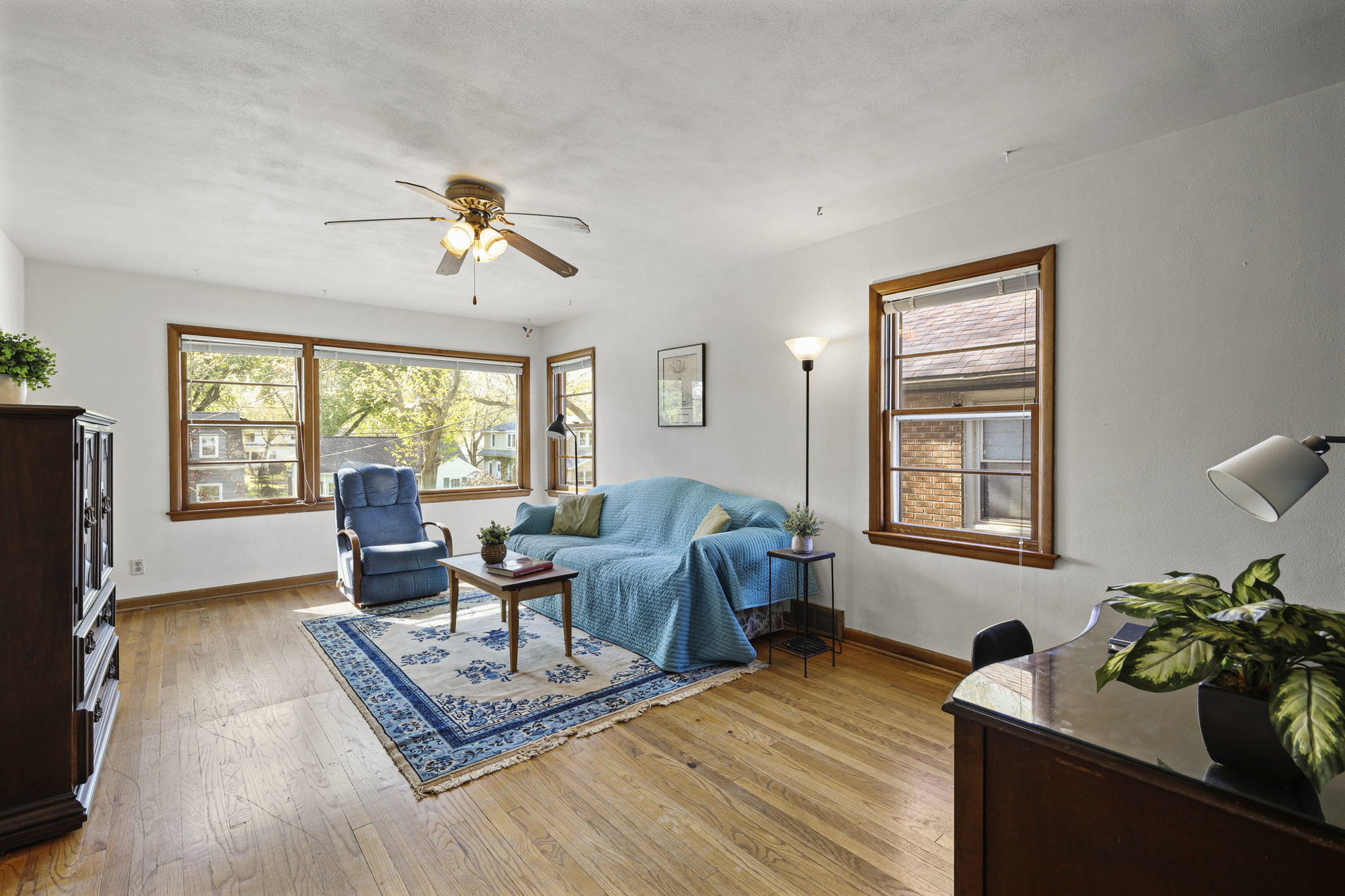
The latest Westpac-Melbourne Institute Consumer Sentiment Index recorded a marginal improvement in homebuyer sentiment. Photo: Britta Campion.
Dwellers in these areas tend to be younger than the national median age with outstanding mortgages and generally higher incomes than the typical household.
It comes as property price expectations for the next 12 months fell by 10.2%, suggesting a less optimistic outlook on price growth.
“Buyer sentiment has tended to move inversely with price expectations in recent years - falls associated with high price expectations and vice versa,” Mr Hassan said.
“That said, price expectations are still very bullish overall and buyer sentiment is still weak by historical standards.
“Over two-thirds of those with a view expect an increase over the next year compared to just 12% expecting a fall.”
The ‘time to buy a dwelling’ index was “notably firmer” in NSW and SA, Mr Hassan said, while Victoria was one of the only states where buyer sentiment did not rise.
Consumers in Victoria are feeling the least positive. Picture: Getty
National home prices increased 0.3% during March, taking the national median home value to $908,000, the latest PropTrack Home Price Index shows.
The median price of a home in Australia is now 9.4% more expensive than 12 months ago, while further growth, albeit dampened, is expected for the rest of 2026.
“Consumer expectations for house prices showed a clear cooling, with homebuyer sentiment improving marginally,” Mr Hassan said.
It comes as new housing forecasts from ANZ predict housing momentum is shifting across the country as buyers respond to rising inflation and uncertainty driven by conflict in the Middle East.
Get your realEstimate™
Track your property's value and unlock insights and data tailored for property owners.
REA Group senior economist Eleanor Creagh said the market is expected to continue slowing as higher interest rates weigh on both buyer sentiment and affordability.
“Another interest rate rise would add further pressure on borrowing capacity and buyer demand,” Ms Creagh said.
“As a result, the market is shifting into a slower-growth phase.”
Markets were pricing in a 62% chance of a rate hike at the Reserve Bank’s next meeting on 4 April as of Monday.
A 0.25 percentage point increase to the 4.1% cash rate will take it to the highest level seen since the Global Financial Crisis.







 English (US) ·