
Adelaide’s tight rental market is easing, new data reveals, but only slightly and experts warn it likely won’t last.
Latest SQM Research data shows Adelaide’s rental vacancy rate – which is the percentage of available rental properties that are unoccupied – reached 0.9 per cent in December 2025.
It is the highest the vacancy rate has been since around mid-2021 when it was also just below 1 per cent.
As of December, Adelaide had 1398 vacancies compared to 1237 in November and 1258 in December 2024.
Despite the recent increase, rental conditions remain constrained because of limited supply.
SQM Research managing director Louis Christopher said there were traditionally more rental options available during summer.
MORE: SA mortgage pain: Repayments leap $20k in a decade
Adelaide’s rental vacancy rate hit 0.9 per cent in December 2025, according to SQM Research data.
“We typically get a rise in vacancy rates at this time of year,” he said.
“We’ve got a number of students who finish up for the year and head back home, or they finish up for good,” he said.
“In the summer season, it’s definitely a more transient time.”
Mr Christopher said it was a good time of year for tenants to negotiate with property managers and landlords.
While the vacancy rate was easing, Mr Christopher said it likely wouldn’t stay that way for long.
“It’s going to get tighter,” he said.
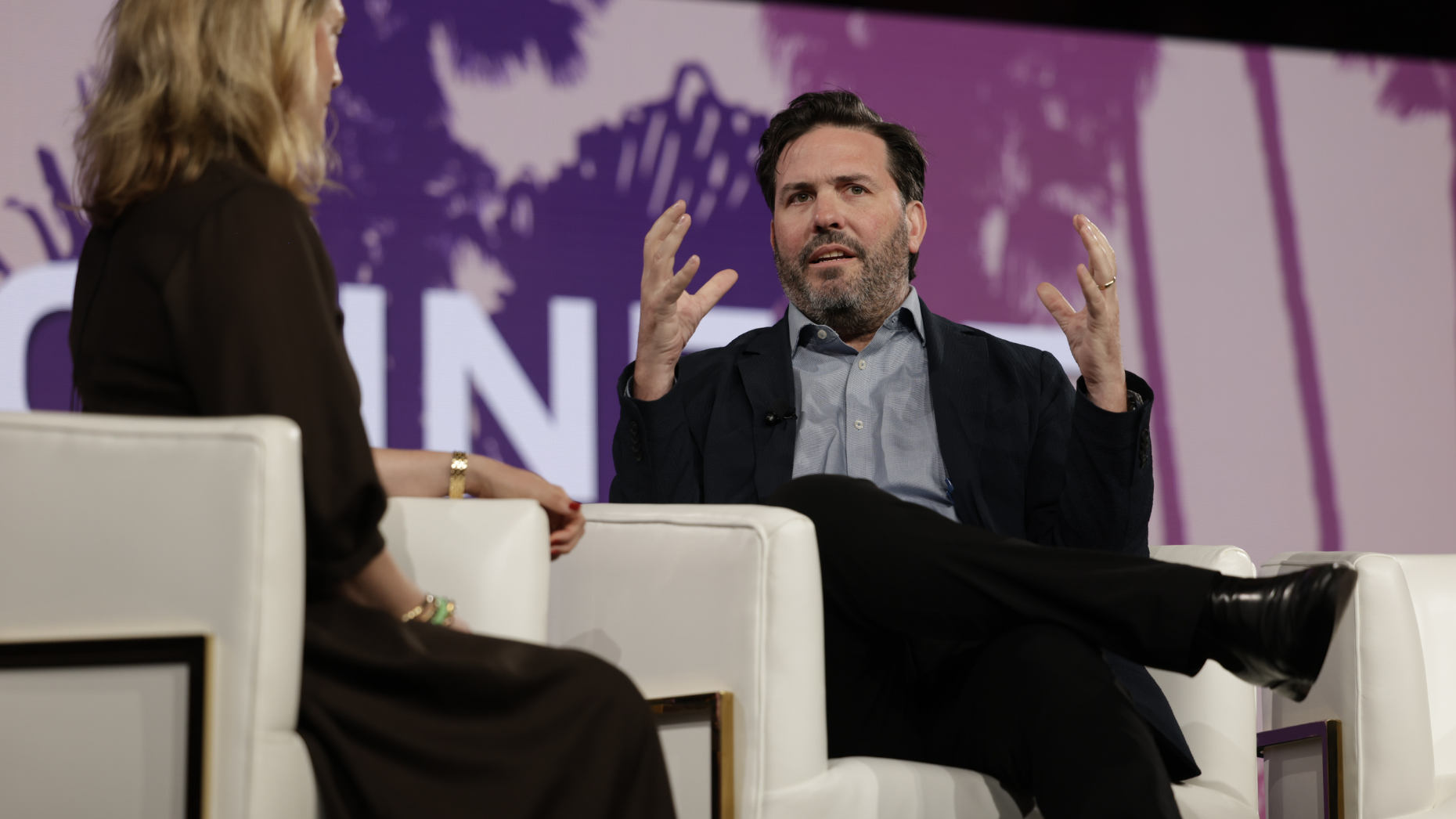
SQM Research managing director Louis Christopher.
“Adelaide has generally had a fairly tighter rental market compared to other capital cities.”
Mr Christopher said an influx of interstate and overseas residents moving to Adelaide post-Covid had contributed to the city’s tight rental market in recent years, with the vacancy rate dipping below 0.5 per cent at various points between 2022 and 2024.
“It really kicked off when we had the lockdowns in the east of Australia,” he said.
“International arrivals also tend to look for rental properties first, that’s therefore seen an increase in demand for rental stock in Adelaide.”
Harris Real Estate managing director Phil Harris said the market was a little bit softer than it had been, with his agency having more rentals available now compared to the same time last year.
MORE: Root of the problem: Tree laws stall housing growth
Harris Real Estate managing director Phil Harris.
While seasonality was partially responsible, he said changes to legislation in 2024 that meant tenants could break their lease and pay a capped price were having an impact.
Under the changes, tenants now only have to pay a maximum of one month’s rent if there is less than 24 months remaining on their lease, as well as some advertising and re-letting costs.
“It’s easier for a tenant to move,” Mr Harris said.
“Without question there are more tenants who are prepared to break lease now than there have been in the past.”
Tenants not having to share as much personal information with landlords and property managers as they have in the past was also slowing down the process of filling rental properties, Mr Harris said.







 English (US) ·