
The purchase price is usually the number that gets all the attention when you’re buying a home. But after your offer is accepted, you’ll likely discover that it’s only one piece of the total cost. The hidden costs of buying a home often reveal themselves during the closing process and continue even after you’ve moved in.
From lender fees and insurance to furniture, repairs, and routine upkeep, the expenses can pile up faster than expected. Without planning for them, it’s easy to feel like your carefully built budget is falling apart. Learning about these costs in advance can help you make smarter decisions and avoid unnecessary financial stress.
Save thousands when buying a home
HomeLight-recommended real estate agents are top-tier negotiators who understand the market data that helps you save as much as possible when buying your dream home.
Closing and mortgage costs
Most of a buyer’s unexpected costs will come at closing. Title and escrow fees and additional costs associated with your mortgage can all come as a surprise to first-time homebuyers.
Real estate agent Esperanza Marroquin, who works with 76% more single-family homes than the average agent in Lancaster, California, recommends that buyers set aside at least 2% of their home’s purchase price to cover additional unexpected fees.
HomeLight’s Closing Costs Calculator tool can help you develop a more precise estimate, and your Loan Estimate and Closing Disclosure will break down exactly what’s owed to whom.
Marroquin and Richie Helali, HomeLight’s mortgage expert, shed some light on the closing costs that buyers might not know about.
1. Mortgage broker fee
Mortgage brokers help prospective borrowers secure a loan by serving as a go-between for the buyer and a potential lending institution. Brokers don’t offer loans themselves. Instead, they work with several different lenders and loan types so that they can help connect you with a mortgage loan that meets your specific needs.
If you work with a mortgage broker, you’ll have to pay a fee that averages between 1% and 2% of the approved loan amount, or a higher interest rate if the lender will be paying the broker compensation.
2. Underwriting and processing fees
The underwriting and processing fees cover the costs of originating, processing, underwriting, and closing a mortgage loan. Basically, these pay your lender for all of the administrative work involved in the lending process. They’re sometimes called mortgage origination fees, and costs can vary from lender to lender.
3. Appraisal fee
Appraisal fees cover the costs of your home appraisal, which is almost always required if you are applying for a mortgage loan. The costs range between $350 and $550 for the average single-family home, but larger homes or unique homes typically cost more to appraise.
4. Credit report fee
When you apply for a mortgage loan, your lender needs to verify your credit history. A credit report fee covers the cost of pulling this report. The fees are typically less than $30. Remember that each person applying for the loan will need to have their credit report pulled, so this fee can double (or triple) depending on how many people are applying.
5. Interest rate discount points
If you’re looking to lower your interest rate on your mortgage loan, you may opt to buy discount points for your interest rate. Buying discount points lowers the interest rate on your loan. One point typically costs 1% of the mortgage loan amount and lowers your interest rate by 0.25%. Lenders will typically cap the number of points you can buy.
6. Escrow fees
Sometimes known as closing fees or settlement fees, escrow fees are paid to the title company for handling money, facilitating the title transfer, and managing other paperwork for real estate transactions. These fees vary depending on your area and the title company you choose to work with.
In some cases, it may be a percentage of the sale price rather than a flat rate. The average escrow fees range between 1% and 2% of a home’s sale price.
In a buyer’s market, where there are more homes available than buyers, sellers often make concessions, such as covering escrow fees, to attract buyers. You, as the buyer, have more leverage and can negotiate for the seller to assume these costs.
In contrast, in a seller’s market, where demand exceeds supply, sellers are in a stronger position. They may be less willing to pay for escrow fees, and as a result, you bear more of the closing costs, including escrow fees.
“Buyers, just be aware that the market is changing,” Marroquin says. “They really want to pair themselves with an agent that has a really good pulse on the market and knows where the negotiating power should stand.”
It’s also wise to shop around to find a closing services provider with lower fees. Your real estate agent can guide you to title and escrow companies they’ve had success with in the past to get you both a good deal and a smooth transaction.
7. Title search fee
During the title search process, your title company will be looking to see if there are any claims against the property, such as any mortgage liens, filing errors, missing rightful heirs, current deed holders, deed restrictions, or any forgeries detected, among other title issues.
They’re basically making sure that the seller actually owns the property and is the only one with the legal right to sell it. A title search fee covers the costs of that work and is typically in the ballpark of $200.
8. Title insurance
When you close on your home, you’ll also need to budget for title insurance, which protects you financially if a costly title issue is discovered after the purchase. There are two main types of title insurance: lender’s title insurance and owner’s title insurance.
Owner’s title insurance is optional, but it can protect you if an ownership issue or title problem from before you bought the home pops up later. Lender’s title insurance, on the other hand, protects your lender if a title problem turns up after closing, like a claim the title company didn’t catch.
Title fees are typically negotiable in a real estate transaction. In some cases, the seller covers the new owner’s title policy, while the buyer covers their lender’s policy. However, who pays for what title insurance varies by state and even locality. These policies together usually cost around 0.5% to 1% of the purchase price.
9. Property taxes
If you live in a state where property taxes are paid in advance for the full year, you will have to pay the seller back for the portion of the taxes that cover the months after you close. In states where property taxes are paid after the year is over, the seller will owe you tax money for the days they occupied the home during that year. Some states, like California, where Marroquin is based, require payments of property taxes in two installments.
Property taxes at closing are calculated by finding the per diem tax rate (total property tax amount / 365 days) and multiplying this amount by the number of days of that tax year that the seller owned the home. If the property taxes are paid after the year is over, this amount would represent what is owed to the buyer by the seller at closing. You’ll find how much you’ll pay for these taxes on your Closing Disclosure.
10. Transfer tax
When the government charges a fee for documenting a change in ownership, it’s known as a transfer tax. Not all states collect these taxes, and they can range from a flat fee to a percentage of the home’s sale price. The transfer tax calculator on your county’s website can help you know if you need to pay one and how the cost is calculated. In some states, it is customary for sellers to pay this fee, but buyers might pay it in others. It could also be split evenly if negotiated in the purchase contract.
“A real estate agent will actually come in handy here,” Helali advises. “They’ll be able to basically explain to a client, ‘Hey, if you buy in this county, at least you don’t have to pay transfer tax, but if you buy in the county across the street, you may have to pay transfer tax.’”
Budget for transfer taxes: Don’t let transfer taxes catch you by surprise at the closing table. Try HomeLight’s Transfer Tax Calculators to estimate your costs and get a clearer picture of your total homebuying budget.
11. Homeowners insurance
If you’re buying a home with a mortgage, your lender will require homeowners insurance, and you’ll typically pay the first year’s premium at closing.
Even if you purchase your home with cash, you’ll want homeowners insurance anyway, as it can cover the cost of repairs in the event of a disaster. Insurance prices will depend on the insurer, but they’re usually determined by considering your home’s location, property specifics (bedroom count, bathroom count, and square footage), and any special hazards in the area, such as floods, fires, and tornadoes.
When shopping for homeowners insurance, get at least three different quotes so you can compare premiums, coverages, and deductibles to get the best deal without sacrificing coverage. On average, U.S. homeowners pay $1,872 to $4,802 per year for their homeowners policies.
“If you buy a house, you have to get it insured,” Helali says. Within certain lender guidelines, “it’s totally up to buyers to choose their insurance company.”
12. Mortgage insurance
If your down payment is less than 20% of your home’s purchase price, your lender will likely require you to purchase mortgage insurance. Meanwhile, FHA borrowers are required to have it regardless of their down payment. This policy protects the lender if you stop making payments on your mortgage loan.
Mortgage insurance is usually a monthly fee that will be included in your mortgage payment, but in some cases, it can be a lump sum that will be paid at closing. With some loans, you will pay both a monthly premium and an upfront fee.
Prices are determined based on your mortgage loan amount and can range between 0.25% and 1% of that amount annually. Mortgage insurance on a conforming loan will automatically drop when your equity in the home is 22% of the original purchase price of the home, but you can reach out to your lender in writing to have it canceled when you reach 20% for owner-occupied conforming loans.
How to reduce closing costs: Compare loan estimates from different lenders to score lower interest rates or better terms for appraisal fees, origination fees, and other charges. In the same way, shop around for different vendors for homeowners insurance and title insurance. Small differences in costs add up, helping you save thousands in closing costs.
»Learn more: Knowing your budget upfront can save you time and stress in the homebuying process. Use the Home Affordability Calculator to narrow your price range and focus on homes that make sense for you.
Condo and homeowners association (HOA) fees
If you’re eyeing a home in a planned community, those manicured parks, pools, and other amenities don’t come free. Along with your mortgage, you may also have to pay community-related fees that can catch first-time buyers off guard. Here are some costs to factor into your homebuying budget:
13. HOA dues
HOA dues are fees a homeowner pays for repairs, upkeep, and improvements in a neighborhood or condo association. These fees are typically collected monthly, but some HOAs collect their fees for the full year in advance. In these cases, a new buyer will have to reimburse the seller for the fees in the same way they do for property taxes. The monthly average in the U.S. for HOA dues is $300, but they can cost upward of $1,000.
14. HOA transfer fee
An HOA transfer fee, sometimes called a document preparation fee, is different from the costs you’ll pay toward yearly dues. This one-time fee pays the HOA for the administrative costs of recording documents and preparing any paperwork related to your purchase.
This fee will vary from neighborhood to neighborhood. The average cost runs between $100 and $500. Your agent can help you determine if there are any transfer fees you have to pay and whether your state caps those costs.
How to reduce HOA-related costs: Your homebuying to-do list should include researching communities with low HOA fees. Additionally, ask the seller if the HOA board allows waived fees or discounts, as this is often available for senior residents or homeowners with disabilities. It’s worth inquiring, as some HOAs may offer these concessions to reduce financial burdens.
As for the HOA transfer fee, ask the seller if they’re willing to cover it. Depending on the local housing market conditions and the strength of your offer, your agent may be able to have the seller pay part or the entirety of the transfer fee.
Moving costs
Moving day is one of the most exciting parts of buying a home, but it can also be one of the most expensive. The cost of transporting your belongings, packing supplies, and other moving-related expenses can add up quickly. Make sure to leave room for them in your budget.
15. Moving company or truck rental
Whether you hire a team of professional movers or decide to do it yourself, moving can be quite expensive. If you decide to partner with professionals, moving companies charge from $41 to $80 per mover per hour for local moves. Meanwhile, long-distance relocations cost anywhere from $1,252 to more than $15,729, depending on the distance and size of the move.
If you opt to do it yourself, the costs of renting a moving truck range from $175 to $590 for a local move of 50 miles, going up to $1,478 to $2,979 for long-distance moves covering 1,750 miles.
16. Professional cleaning
Though sellers are likely to have completed a deep clean of their home before listing it, they may not be so careful as they move out. Real estate contracts will typically require the seller to leave the home in “broom-clean” condition, meaning floors are swept, trash is taken out, and all closets and shelves are emptied.
Unfortunately, not all contracts include that clause, and a seller caught up in the stress of moving could leave a mess. In these cases, buyers might opt to have the home professionally cleaned.
The cost of hiring professional cleaners will vary depending on your location and home size, but average rates run between $118 and $238 per visit.
17. Furniture
It’s no secret that furnishing a home costs money. The average person spends around $16,000 on furniture for their new home, but that cost can vary widely between $3,500 on the lower end and $100,000 for high-end furniture.
A good rule of thumb for saving money when you’re buying furniture in the first months after purchasing your home is to prioritize items that are absolutely necessary, like a bed frame or a mattress, before items that might be more decorative, like a table lamp.
You can also save money by following seasonal sales cycles and purchasing when furniture outlets hold sales, such as on Memorial Day and Labor Day holidays. Purchasing some second-hand items can also save you big bucks, using sites like Facebook Marketplace and OfferUp to find local items.
18. Painting and decorating
It’s natural to want to put your own stamp on your new home. Painting, decorating, and adding other personal touches, like new window treatments, all come with a cost, however. The average cost for professional painting can range from $200 to $600 for a 100-square-foot space.
Of course, you can always get some brushes and drop cloths and get to work yourself. The average cost to paint a home on your own is less than $100 for materials.
How to reduce moving costs: Declutter and donate items you no longer need. This will help you avoid paying to move lots of stuff and, at the same time, add more cash to your moving fund.
Compare quotes from different moving companies to find the best deal, or consider renting a truck and doing it yourself. Ask friends or family for help with packing or loading. If possible, schedule your move during off-peak times so you can score lower rates from moving companies.
Appliances
In a home sale, sellers can usually take with them anything not considered a fixture, and that can include appliances. In most markets, however, it’s common for sellers to leave major kitchen and laundry devices behind. But there may be some exceptions. You should consult with your agent to see whether or not appliances typically stay with the house in your particular area, and make sure your contract reflects your needs.
19. Large appliances
If sellers take the appliances, or if you find that any need to be replaced upon move-in, here are some quick cost estimates for the larger items:
- Refrigerator: $500 to $10,000
- Oven and stove: $600 to $1,300
- Dishwasher: $400 to $1,200
- Washing machine: $700 to $1,300
- Dryer: $800 to $1,200
20. Small appliances or security systems
It’s less cut-and-dried whether small appliances or home security systems stay with the home. Buyers will likely have to bring their own toasters, but built-in microwaves are likely to stay. If you want to keep a particular appliance, make sure you negotiate for it upfront and have it written in the purchase contract that it will stay.
A security system is more difficult to remove from a home, but make sure that any accounts have been transferred to your name and that you are making the monthly fee payments.
It won’t do you much good when the alarm company notifies the former homeowner that there’s a problem with your house, which could easily happen if you forget to transfer ownership of the platform. On average, monthly monitoring costs between $4.99 and $99.
How to reduce appliance costs: Consider buying gently used or refurbished appliances from trusted stores or online marketplaces. Look for sales, discounts, or clearance deals, especially during holiday weekends. Additionally, ask the seller to include appliances in the sale or offer a credit toward them.
21. Utilities
First-time homebuyers might be shocked at how expensive utilities can be, especially if they were previously renting an apartment where utilities were included. If you were covering utilities yourself, you might still be shocked at how much it costs to heat and cool a bigger space.
Water, gas, electricity, and waste removal can all add up quickly, and buyers need to be prepared to add these expenses to their monthly housing budgets. They should also prepare for installation and equipment fees for internet services in addition to the monthly internet bill.
Though prices will vary based on usage and location, here’s a quick breakdown of average utility and service costs:
- Internet: $70 per month
- Gas: $80 per month
- Water: $20 to $120 per month
- Electricity: $160 per month
- Trash service: $25 to $100 per month
How to reduce utility costs: Invest in energy-efficient, smart appliances. Yes, they cost more upfront but can save you money on utility bills in the long run.
Maintain appliances properly so they can operate efficiently and consume less energy. On top of this, ensure your home is well-insulated so your HVAC system doesn’t have to work overtime to maintain a comfortable temperature at home.
22. Repairs and maintenance
Though buyers may be focused on some of the more immediate costs like escrow and title fees, the biggest hidden costs may be yet to come. Home repairs, especially for a significant repair like a roof replacement, could be a major hidden cost for buyers.
Many homeowners experience buyer’s remorse when they realize how much time and money it takes to maintain a home. Routine upkeep, emergency repairs, and replacing aging systems can add up quickly, particularly in older homes.
Here are some quick cost estimates for common repairs. Costs may vary based on your area and the scope of the project.
- HVAC repair: $100 to $3,000
- Roofing repairs: $150 to $8,000
- Roofing replacement: $5,900 to $46,000
- Plumbing maintenance: $45 to $200 per hour
- Mold inspection: $303 to $1,044
- Mold remediation: $1,223 to $3,756
- Pest inspection and control: $125 to $450
- Pest control: $50 to $500
How to reduce repairs and maintenance costs: Be proactive in routine inspections and maintenance. Whenever you encounter minor problems, address them immediately to avoid expensive fixes later. Learn basic do-it-yourself (DIY) solutions to common household problems so you won’t have to hire a professional.
But for major repairs, work with experienced contractors to ensure appliances are properly serviced, reducing the need for frequent, costly fixes. If your budget allows, consider getting a home warranty plan to cover the cost of unexpected repairs or replacements for major systems and appliances. This helps save money on out-of-pocket expenses.
23. Emergency fund
Given all the potential repairs that can arise with owning a home, it’s important to set aside an emergency fund. That way, you’re covered if something goes wrong with your new home.
Estimates for how much homeowners should set aside in this fund range between three and six months of living expenses. It may seem like a lot, but you’ll be happy to have it on hand if disaster occurs.
Find a Buyer's Agent To Navigate the Hidden Costs of Buying a Home
Buying a home comes with all kinds of costs you maybe weren’t expecting. Work with a top agent who understands the process, so you don’t get hit with sticker shock. HomeLight analyzes millions of transactions to match you with the right agent in under 2 minutes.
Ready to buy? Start with the right agent
Buying a home involves much more than the purchase price, so understanding the hidden costs ahead of time can help you avoid surprises and stay on budget. From closing fees and moving expenses to insurance, HOA costs, and future maintenance, every expense plays a role in your overall financial plan. The more prepared you are, the more confident you’ll feel throughout the homebuying process.
An experienced real estate agent can help you anticipate these costs and navigate each step with fewer surprises. Connect with a top local agent through HomeLight to get expert guidance and make your homebuying journey a little easier.
Writer Madeline Sheen contributed to this story.
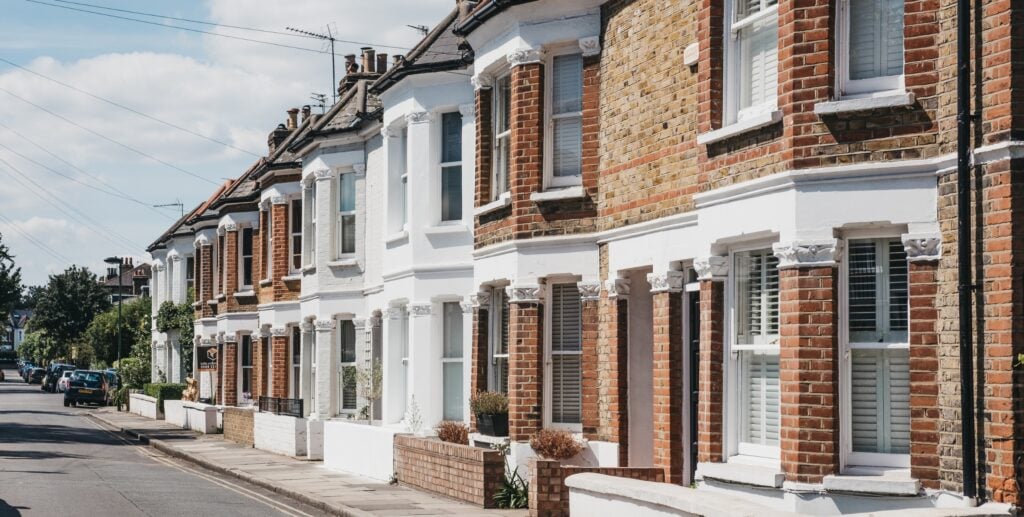
Header Image Source: (Jasper Gribble / Unsplash)







 English (US) ·