
Buying a house is exciting, but it can also feel like you’re making one of the biggest decisions of your life. It’s easy to get swept up by gorgeous kitchens, charming curb appeal, and the thrill of finally becoming a homeowner. Then, a few months later, some buyers realize they overlooked things that lead to expensive regrets and homebuyers’ remorse. That’s why understanding the dos and don’ts when buying a home matters more than you might think.
A few smart decisions upfront can save you money, stress, and second-guessing later on. Before you start scheduling showings or making offers, it’s worth learning the habits that can help you buy with confidence.
Get Expert Guidance Before You Buy
One thing you shouldn’t do when buying a home is go it alone. HomeLight can match you with an experienced real estate agent who can help you avoid costly missteps.
In this article, we asked our top agents for their best advice for first-time buyers. Some may be odd, others may be more obvious, and several you may have never considered.
Dos when buying a home
Once you start looking into loans, agents, and properties, things can get complicated fast. These dos when buying a home will help you move through the process with more confidence.
1. Know your credit score and legal standing
Check all three of your credit scores from TransUnion, Experian, and Equifax regularly to keep tabs on your credit standing. See what your FICO score is, as this is what the majority of lenders use. You can often get your score for free if your banking institution provides it, but otherwise you might have to pay for this service.
It helps to know where you stand early so you can fix any issues before you apply for a mortgage. For example, you might pay down some debt or dispute errors on your credit report to give your score a boost.
Your lender will look at more than just your credit score. They’ll also review your full credit history, which includes credit card balances, missed or late payments, age of credit history, and any accounts in collections. You may also need to explain negative marks or recent hard inquiries on your report.
Typically, the higher your credit score is, the more likely you will be approved for a mortgage, and the lower your interest rate will be.
Lenders will also want to know if you’ve ever declared bankruptcy or owned a house that went into foreclosure. These events may not necessarily prevent you from buying a house, but there may be a time limit required from the time the event happened until you can purchase a home with a mortgage.
Sort out any legal or financial issues before you apply for a mortgage, if possible. Lenders may want to see that you’re current on things like child support, don’t owe back taxes, and aren’t in the middle of a lawsuit or other legal dispute. You’ll need to disclose any active lawsuits to your lender, and they’ll likely ask for details so they can understand how it might affect your application.
2. Line up financing
So you plan to buy a house, but how are you going to pay for it? It’s important to line up financing well in advance of when you want to start making offers.
Getting pre-approved for your mortgage will help you understand exactly what you can afford and speed up the process once you find a home. Be sure to do your research to find a reputable lender who can guide you through financing your first home purchase.
When shopping for lenders, compare first-time home buyer programs, lender requirements, interest rates, and loan terms to make sure you are getting a good deal. Be sure to also compare closing costs such as application fees, appraisal fees, and origination fees.
3. Submit your documents promptly
Once you choose a lender and start the preapproval process, your lender will request documentation for all of your debts, income, and assets to get your full financial picture. During this stage, your lender will pull your credit report after getting your consent.
Be prompt with their document requests so the process goes as smoothly and quickly as possible. Usually, the quicker you can get your lender what they need, the quicker you can close.
The lender will typically ask for the following at a minimum:
- Driver’s license or state ID and social security card for identification
- Bank statements
- Pay stubs
- Tax returns for the last two years
- W-2s or 1099s
- Purchase agreement and a copy of your earnest money deposit
4. Work with an agent
Real estate agents know the local market, what’s going on in it, and how the whole homebuying process works. Picking the right one is a big deal, so you’ll want someone who works in the area where you’re looking to buy and knows it well.
Negotiations can be tricky for first-time buyers, but real estate agents are some of the best negotiators you will ever meet. They would do all of the heavy lifting when it comes to advocating for you and your needs during this process.
A knowledgeable agent shares information that you may not have already known. For instance, MaryAnn Spearman, who works with 69% more single-family homes than the average agent in the Clearwater, Florida area, advises her buyers to check out city, state, and even national grants that they could use toward purchasing their first home.
5. Research different neighborhoods
Don’t get stuck on a specific ZIP code or cul-de-sac. Be open-minded and check out multiple different neighborhoods, as you may be surprised at how much you like the ‘feel’ of a neighborhood that you would’ve otherwise overlooked.
Attending open houses in different areas is a great way to get a feel for the community, check out different house styles, and maybe even meet some potential new neighbors. Do remember to sign in while you’re there and ask the listing agent a lot of questions, if you can.
Drive around a few different neighborhoods during the daytime and at night to see what’s going on, how the traffic is, and if there are nearby amenities. Walk around the neighborhoods if you can, because you get a totally different vantage point when you’re on foot rather than in the car. This is a great way to assess the walkability of a particular place if that is important to you.
Check out local coffee shops, restaurants, bookstores, and grocery stores. Talk to people and ask how they like the area, and see if you can picture yourself living there.
6. Focus on the home’s potential
Most homebuyers have a house-hunting checklist of characteristics they want to see in their potential home, and that’s totally fine, but sticking to a rigid list of must-haves might make it more difficult to find a home. Try, instead, to focus more on the home’s potential rather than its existing attributes.
For example, if a home has good ‘bones’ and a big backyard, it may be worth considering, even if the kitchen is outdated and you don’t love the paint colors. Focus on what the house could become with a little work, rather than how it is right now.
That said, some things are hard to change, like the layout, number of bathrooms, and lot size, so those are the ones you really shouldn’t compromise on.
7. Maintain your financial standing and consider the future
Keep your finances steady while you’re in the closing process, since even small changes can cause big delays. Try not to close accounts, open new credit, or switch jobs during this time so you don’t risk derailing your closing.
You also want to consider the future when buying a home. Think about potential appreciation over time, as well as how you are going to budget for maintenance (or replacement over time) of the expensive stuff, including the roof, appliances, and HVAC systems.
Also, think of the future in another way. Who will be living in the house over the next few years? If kids might be part of the picture, make sure there’s enough space to grow into and room for little ones to run around.
8. Get a property inspection
It’s always a good idea to get a home inspection before buying. A licensed inspector will take a close look at the house and flag any major issues, things that may need attention later, and systems that are in good shape. They’ll typically check key areas like the roof, plumbing, HVAC, and more.
Even in a competitive housing market, where buyers are waiving inspection contingencies, it’s wise to get an inspection so you know exactly what is wrong with the house before you take ownership.
9. Shop around for homeowners insurance
Homeowners insurance is always required if you’re financing the house with a mortgage, but even if you pay cash, it’s still a strong move. Shopping around and comparing companies and premiums can save you money both up front and later on if a disaster occurs.
When looking at policies, keep in mind risks that might be specific to your area, such as flooding, wildfires, earthquakes, or tornadoes. Ask for discounts if you bundle your policies, have an alarm system, or if the property you are buying has a new roof.
Some insurance companies or lenders may also require extra inspections, like wind mitigation or a four-point check, before approving your policy. If you need one, your agent or lender can usually connect you with someone qualified to get it done.
10. Be mindful of your privacy and security
Buying a home also means sharing a lot of sensitive information, so it’s important to stay cautious. Make sure you’re working with reputable lenders and title companies before handing over details like your Social Security number or bank information.
Be extra careful with money transfers, too, as real estate wire fraud is common. Always confirm wiring instructions by phone with your title or escrow team, especially if anything changes at the last minute or comes through email unexpectedly.
11. Pay attention to the Loan Estimate and Closing Disclosure
It’s always important to read everything you sign, but this is especially true when buying a house and hundreds of thousands of dollars, or more, are involved.
You will receive a Loan Estimate within three business days of applying for a loan. This document breaks down your expected loan terms, monthly payments, interest rate, and estimated closing costs. It helps you compare offers from different lenders and understand what your loan might actually cost.
A Closing Disclosure comes later, three business days before closing, and shows the final, exact details of your loan and all closing costs. It should also include the terms of the loan and your projected monthly mortgage payments.
Review both of these disclosures with a fine-tooth comb to make sure they are accurate and the terms are what you reviewed with your lender. Make sure you compare your Loan Estimate and Closing Disclosure to look for any major changes, such as an increase in fees or a change to the monthly mortgage payment.
There are limits to the amount that certain fees can increase during the time between the Loan Estimate and the Closing Disclosure. Bring any concerns you have to your lender as soon as possible so they have time to correct any mistakes before you sign final loan documents.
»Learn more: Not sure how much home you can really afford each month? A Mortgage Payment Calculator can help you break down principal, interest, taxes, and insurance so you get a realistic picture of your total monthly cost.
Don’ts when buying a home
Buying a home isn’t just about knowing what to do. It’s also about knowing what to avoid. A few wrong moves along the way can lead to stress, delays, or even costly mistakes. These don’ts when buying a home will help you steer clear of the most common pitfalls and keep your purchase on track.
1. Don’t start looking at houses before you’re preapproved
Looking at homes beyond your budget can feel inspiring at first, but for most people, it quickly becomes a habit of comparison. That can lead to unrealistic expectations and disappointment down the road when the homes you can actually afford don’t measure up.
Make sure that you get preapproved for a mortgage before you start house-hunting so you can avoid falling in love with that amazing fully restored colonial home that’s listed at a whopping $2 million when you’re really only preapproved to purchase a home for $700,000.
2. Don’t shop at the very top of your preapproval range
Just because you’re preapproved to purchase a $500,000 home, it doesn’t mean you need to spend that much, or even that you should spend that much. Remember that your preapproval usually contains the maximum amount of home you can afford, and it does not account for the cost of any improvements you might want to make after you move in.
It’s wise to be a bit more conservative when house-hunting within your budget and consider looking at homes on the lower end, if you can. This could help you avoid becoming “house poor” and help you save for necessary maintenance or whatever life may throw your way.
3. Don’t wait until you save up 20%
Contrary to popular belief, it’s not always necessary to wait until you have saved 20% for your down payment to consider shopping for a home. Some loan programs, such as those backed by the FHA, allow for a down payment as small as 3.5% and may allow some first-time buyers to receive down payment assistance for some or all of their down payment.
VA loans for veterans, service members, and some surviving spouses offer 0% down to qualified borrowers, so this might be a great option if you belong in that category and want to finance all of your home purchase. You might, however, be required to pay a VA funding fee, so it is always worth comparing your options with a knowledgeable loan officer to determine what makes the most sense.
Additionally, you may qualify for a conventional loan with as little as 3% down. Borrowers who put less than 20% down will require mortgage insurance, either in the form of a monthly payment added to the mortgage payment or a lump sum paid at closing (sometimes both!). While this added expense is not ideal, it could be worth considering if it means you can become a homeowner sooner than you thought.
Curious how much cash you’ll need before buying? Use our House Down Payment Calculator to map out your savings plan and get a clearer path to homeownership.
4. Don’t forget to do your research
Listing descriptions are often misleading. A “completely renovated waterfront home” may actually be a house across from a creek that was remodeled years ago. Always do your research online, look at photos and videos, and tour the house in person. Your real estate agent can also help you here to determine if a home will meet your needs.
The same goes for a mortgage calculator. Don’t completely trust it to tell you whether you can afford the home. Mortgage calculators can be a helpful tool, but not all are created equal, and some may not include all of the components of your monthly housing payment, such as your principal, interest, property taxes, homeowners association (HOA) dues, and homeowners insurance.
5. Don’t ignore the appreciation potential of the property
Although you can’t know exactly (without a crystal ball) how well a property will appreciate, you can always look to how its value has changed over the last few years for clues. Consider what other houses are selling for by looking at the comparable sales in your area.
Other factors might influence property values in the future, such as new employers coming to the area and what kinds of businesses are opening and closing in the near future.
The more affordable house on the nicest block is often a better purchase than the most expensive home in a neighborhood, as you might have more potential for increasing your home’s value with strategic upgrades and remodeling projects.
6. Don’t fear negotiating with the seller after inspections
In some cases, it might be beneficial to negotiate with the seller after you get the home inspection report back if the inspector uncovered anything concerning. Prioritize any major concerns, like health and safety issues, over cosmetic problems.
Sit down together with your agent and decide how to proceed and how much negotiating you want to do. It’s common to ask for a discounted sale price or to have repairs made by a licensed professional before closing. You might also be able to negotiate for the seller to cover some closing costs in exchange for keeping the sale price as-is.
7. Don’t forget about closing costs
Most homebuyers should expect to spend anywhere between 2% and 5% of the purchase price on closing costs alone. Shopping around for a mortgage lender and title company could help you save on these fees, but you should always have more saved than you think you will need.
It’s a welcome surprise to not spend as much as you thought you would, but planning can help you avoid the nightmare that is realizing at the last minute that you are short on funds to close.
8. Don’t make any financial changes before settlement
Kimberly Hoobler, who sells 20 more townhomes than the average agent in Enterprise, Alabama, reminds buyers not to make any financial changes before going to the closing table.
A new trade line could alter your debt-to-income ratio and throw off the whole deal if you are not careful. Wait on making any large purchases until after closing, including cars, jewelry, boats, furniture, and appliances.
You also don’t want to deposit large amounts into your bank accounts without being able to explain and document exactly where they came from with a solid letter of explanation. Try your best to leave everything the same as it was when you got preapproved, unless your lender advises you otherwise.
9. Don’t make any career changes
You may have always wanted to take time off to travel, cut back your working hours, or venture out on your own, but now is not the time! Don’t make any career changes during the closing process. Just like financial changes, even a new job or lower income can affect your loan approval and put your closing at risk.
Your mortgage lender will likely complete one last verification of employment just before closing happens, and if they find that you no longer work there or the conditions of your employment have changed, they might pull the plug.
10. Don’t get too emotionally invested
It’s easy to get emotionally invested when making a large purchase, especially knowing that your new home will be where you and your family are going to rest your heads every night. However, the homebuying process can be quite complicated for most people, and you won’t get every home you set your heart on.
Remaining flexible during the process and taking your time to consider all of your options will help you avoid buyer’s remorse and keep your spirits high. Don’t get so caught up in the process that you don’t enjoy it or make a rash decision that you might regret later.
Do plan ahead, don’t rush in
Buying a home is a big milestone, and knowing the right dos and don’ts can make the process a lot smoother. From getting your finances in order to working with the right agent and paying attention to inspections, each step plays an important role in your success. Just as important is avoiding common mistakes that can lead to delays, stress, or expensive regrets.
Staying patient, prepared, and informed helps you move through each stage with more confidence. With the right approach, you’ll be in a much better position to find a home that truly fits your needs and budget.
Work with a reputable mortgage lender and real estate agent to know what’s going on each step of the way and avoid the mistakes that may stop you from landing in your new home.
Frequently asked questions (FAQs) about dos and don’ts when buying a home
Avoiding regret starts with slowing down and not rushing into a decision just because things feel competitive. Make sure you’re clear on what you actually need versus what just looks nice in the moment, and stay honest about your budget so you don’t overextend yourself. And don’t skip conducting inspections, arranging financing, and understanding long-term costs, because that’s usually where regret shows up later.
Before you start house hunting, get your finances in order so you know what you can realistically afford. It also helps to get pre-approved, so you’re not guessing when you find a place you like. Lastly, take some time to figure out your must-haves versus nice-to-haves so you’re not overwhelmed when you start looking.
Here are some of the most common mistakes and warning signs to keep in mind when buying a home:
- Skipping or rushing through a home inspection
- Stretching your budget too far and becoming house-poor
- Getting emotionally attached and overbidding
- Ignoring repair costs or signs of major issues in the home
- Not factoring in ongoing costs like taxes, insurance, and maintenance
- Making big financial or credit changes right before closing
- Focusing only on cosmetics instead of the home’s long-term potential
Red flags when buying a house usually show up as signs that something could cost you more time or money later on. Things like major structural issues, water damage, or a history of frequent repairs are big warning signs you don’t want to ignore.
A home that’s been sitting on the market for a long time without a clear reason can also be worth a closer look. You should also be cautious if the seller is unwilling to provide disclosures or is rushing the sale. Lastly, unclear property boundaries, permits, or inconsistent inspection results can point to problems you’ll want to dig into before moving forward.
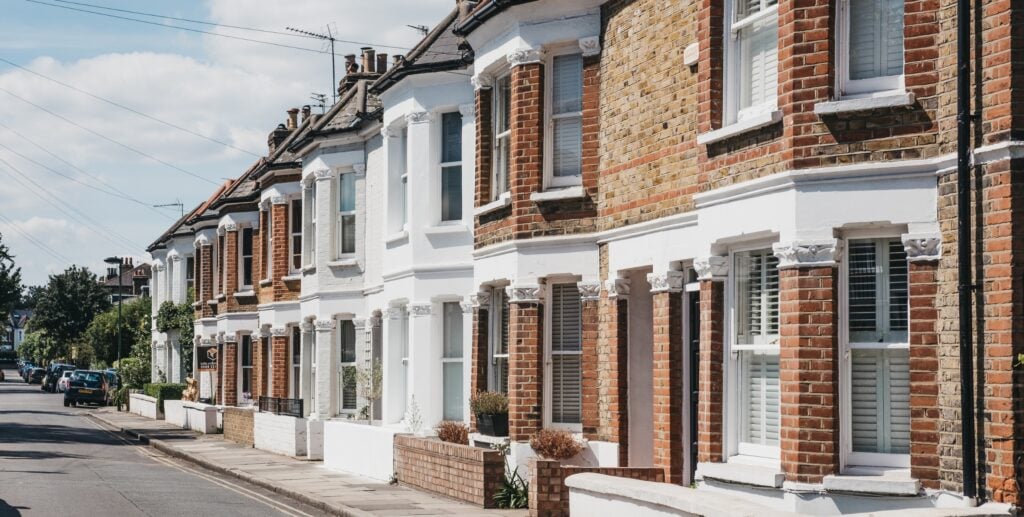
Header Image Source: (Des O’Connell / Unsplash)







 English (US) ·