
If you’d told me when I bought into a building of six units that one day I’d become emotionally invested in the placement of a gate post, I’d have laughed.
Yet here we are.
It all started with a request for more privacy from a new unit owner. A perfectly reasonable thing to want, but unfortunately, the proposed solution wasn’t so simple.
RELATED: Beach pad with $49k body corporate fee heads to no-reserve auction
Man ordered to stop terrorising neighbours amid claims of chop shop, drug deals
News Corp Real Estate Reporter Liz Tilley.
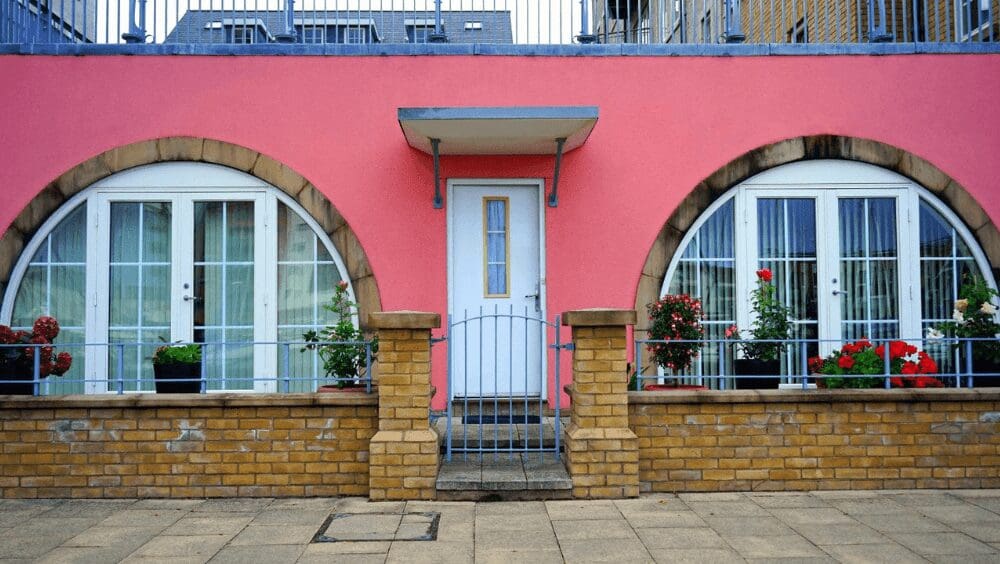
The first proposal was for a fence. Not within the owner’s courtyard, but one that would alter the front of the house and involve common property.
As someone who had bought into the pre-war house partly because of its character and street appeal, I wasn’t convinced. More importantly, I knew it wasn’t my decision alone. Changes to common property affect everyone.
So began what can only be described as the ‘Great Fence Saga’.
Who knew a request for a fence could be such a headache?
When character comes into it, body corporate committee members can be even more protective of shared property.
At first it was a fence. Then it became a temporary privacy screen. Then fake hedges. Then a request to let the hedge grow higher. Then a side gate. Then a different side gate. Then a front gate. Then revised drawings. Then revised revised drawings. Then diagrams. Then measurements. Then photos with bright red lines showing exactly where the gate would sit. Then a hand-drawn Microsoft Paint masterpiece.
I wish I was exaggerating.
Somewhere along the way I found myself reading emails about whether the gate should be 1.5 metres high or 1.3 metres in the centre because it bowed slightly.
Whether it would be visible if you stood at exactly the right angle in the driveway and whether the hinges would attach to an existing post or require a new one.
Liz Tilley didn’t know what she was getting into when she bought an apartment in Brisbane. Picture: Brendan Radke.
MORE: Body corporate changes force sellers to reveal hidden costs
‘Did I make the right decision?’: 28yo buys motel for less than a house deposit
Whether the pavers should exactly match the originals and whether the gate should swing inward.
I have spent more time thinking about one gate than I have about most major life decisions.
Every time concerns were raised, another proposal would arrive.
What made it exhausting wasn’t that anyone was particularly unreasonable. Everyone was trying to solve a problem.
The difficulty was that one person’s privacy was five other people’s shared property; my neighbour’s request for an improvement was another owner’s concern about precedent.
One person’s vision was my fear of slowly changing the character of a building that had remained largely untouched for decades.
And because everyone owned a piece of it, we all had a say.
Body corporate issues can require a lot of research by the owners. Image: istock.
Here’s something I never knew until this saga began. In Queensland, “exclusive use” doesn’t necessarily mean “do whatever you like.”
If you want to make improvements that affect common property or change the external appearance of the complex, you generally need body corporate approval.
That means plans, motions, votes and constant email traffic, which is how an ordinary gate somehow required the same approval process as a medium-sized infrastructure project.
The funny thing is, people often ask why body corporate decisions take so long. This is why.
Every tiny detail matters because once common property changes, it’s very hard to undo.
And, so, despite months of emails, phone calls, sketches, site meetings, compromise proposals and discussions that became strangely technical, we as owners are still deciding whether to approve it.











 English (US) ·