
Power bills could finally ease, with default electricity prices forecast to fall in parts of Australia for the first time in six years. But fresh global shocks and rising network charges could blunt or even erase the savings.
New analysis from Compare the Market shows the Default Market Offer and Victorian Default Offer benchmarks generally drifted lower into 2021–22 before surging as the war in Ukraine sent global energy markets into turmoil.
MORE NEWS
Single mum fights power giant for her home
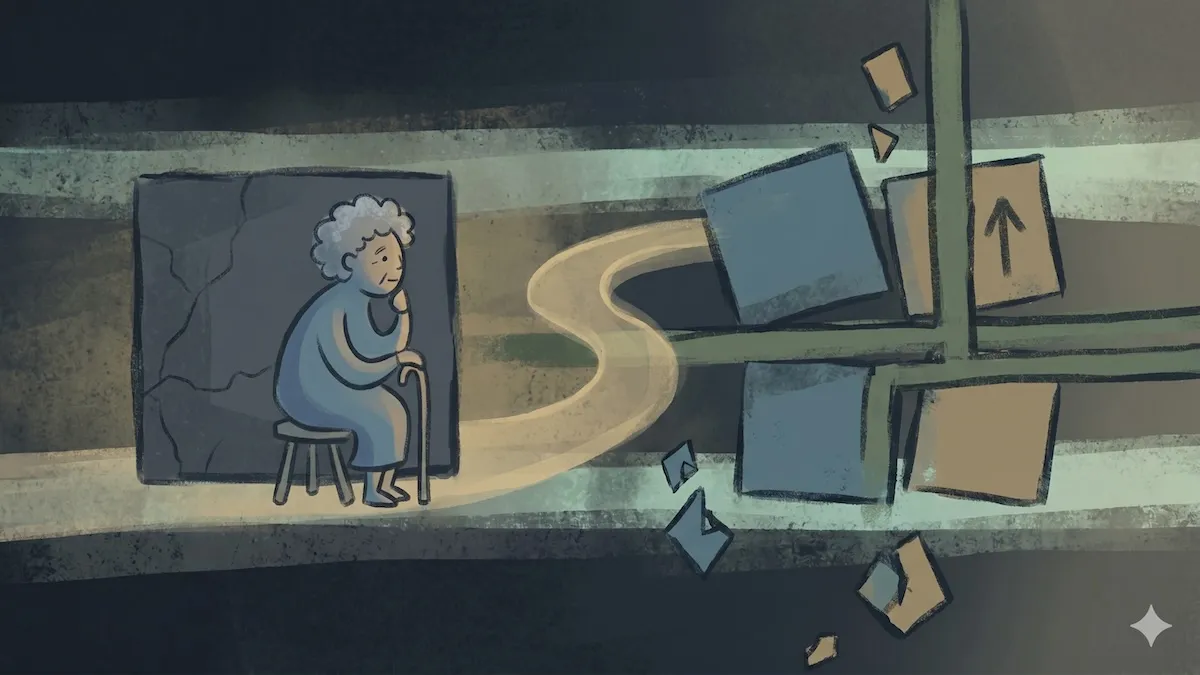
Pensioner, 81, vows to fight to save her Aussie home
Agent fined $35k over deceptive eviction plot
In most states, the benchmark has climbed sharply since, with regional New South Wales and outer western Sydney seeing the biggest jumps – up between $691 and $784 since 2019.
However, current draft pricing proposals indicate some regions could finally see a reduction. The most generous cuts are slated for the Essential Energy and Energex networks, where benchmarks could fall by more than $200 – a potential lifeline for stretched bill‑payers.
Default offers were designed as a safety net for customers who don’t shop around, and to stop retailers charging excessive rates to those who stay put.
Analysis by Compare the Market based on benchmark pricing data from the Australian Energy Regulator and the Essential Services Commission DMO and VDO final determination reports 2019 to 2025/26 and draft determinations for 2026/27.
They also serve as a reference point when comparing plans, making it easier to gauge value across providers.
Latest projections for 2026/27 suggest the DMO – covering New South Wales, South East Queensland and South Australia – could fall for the first time in six years, potentially delivering hundreds of dollars in relief for around 500,000 households.
Victoria’s VDO is also projected to drop, affecting roughly 348,000 homes, or about 12 per cent of bill‑payers.
Mel Kuilboer is not happy after receiving a powerbill totalled at more than $400 up from the same time last year.
But Compare the Market Economic Director David Koch cautioned the outlook has shifted since the drafts landed.
“It’s a different world to the one these pricing projections were made in,” Mr Koch said.
“In the past two months, we have seen a new war wreak total havoc on the global economy, forcing up fuel prices and interest rates.
“We have also heard from energy retailers that the cost of distribution – maintaining the poles and wires – has also been increasing. A lot of signs point to potentially a much less generous price change. If the projected price dips do go ahead, it certainly would be a nice surprise.”
Based on a residential flat rate tariff without a controlled load from benchmark pricing data from the Australian Energy Regulator DMO final determination reports 2019 to 2025/26 and draft determination for 2026/27
Mr Koch’s key message is to shop around regardless of where the benchmark lands.
“If you’re on a benchmark standing offer plan, you’re already paying more than you need to,” Mr Koch said.
Based on a residential flat rate tariff without a controlled load from benchmark pricing data from the Essential Services Commission VDO final determination reports 2019 to 2025/26 and draft determination for 2026/27
“They are the “safety net” plan, but they’re certainly not the greatest deals.
“Putting in ten minutes of legwork and running a comparison while you’re on the train to work or sitting in front of the tele could help you stretch those savings even more.”
Energy regulators are expected to hand down their final determinations on the DMO and VDO before the end of May.











 English (US) ·