


New data has exposed a sharp rental increase in Sydney in under five years, with three interest rate rises this year and new budget tax changes only exacerbating the pressure on tenants.
Greater Sydney’s median unit rent reached $750 per week in April 2026, the sharpest rental growth period in two decades, eclipsing the 2014 to 2017 boom, Ray White data revealed.
It equates to a rise of 51.5 per cent in under five years. Adding to this rental pressure is the recent budget removal of negative gearing, a policy aimed at cooling the housing market that experts say will reduce the supply of rental stock – the opposite of what renters need.
MORE: ‘Panic’: property market plunges to new low
New data has revealed Greater Sydney’s median unit rent reached $750 per week in April, a 51.5$ rise in under five years
Despite three interest rate increases through the first half of 2026, vacancy rates remain below 2 per cent across all rings.
The research suggests that higher borrowing costs have dampened investor appetite for new purchases while doing nothing to address the structural undersupply driving rental growth.
“Sydney rents are still climbing,” said RWC Western Sydney Managing Director Peter Vines.
“That tells you everything about the nature of this problem; it’s not a demand problem.
“It’s a supply problem that will take years to resolve.”
For existing investors, elevated rents and compressed vacancy are delivering strong income returns even as capital growth moderates.
MORE: ‘Hostile’: Australia hits 30-year low
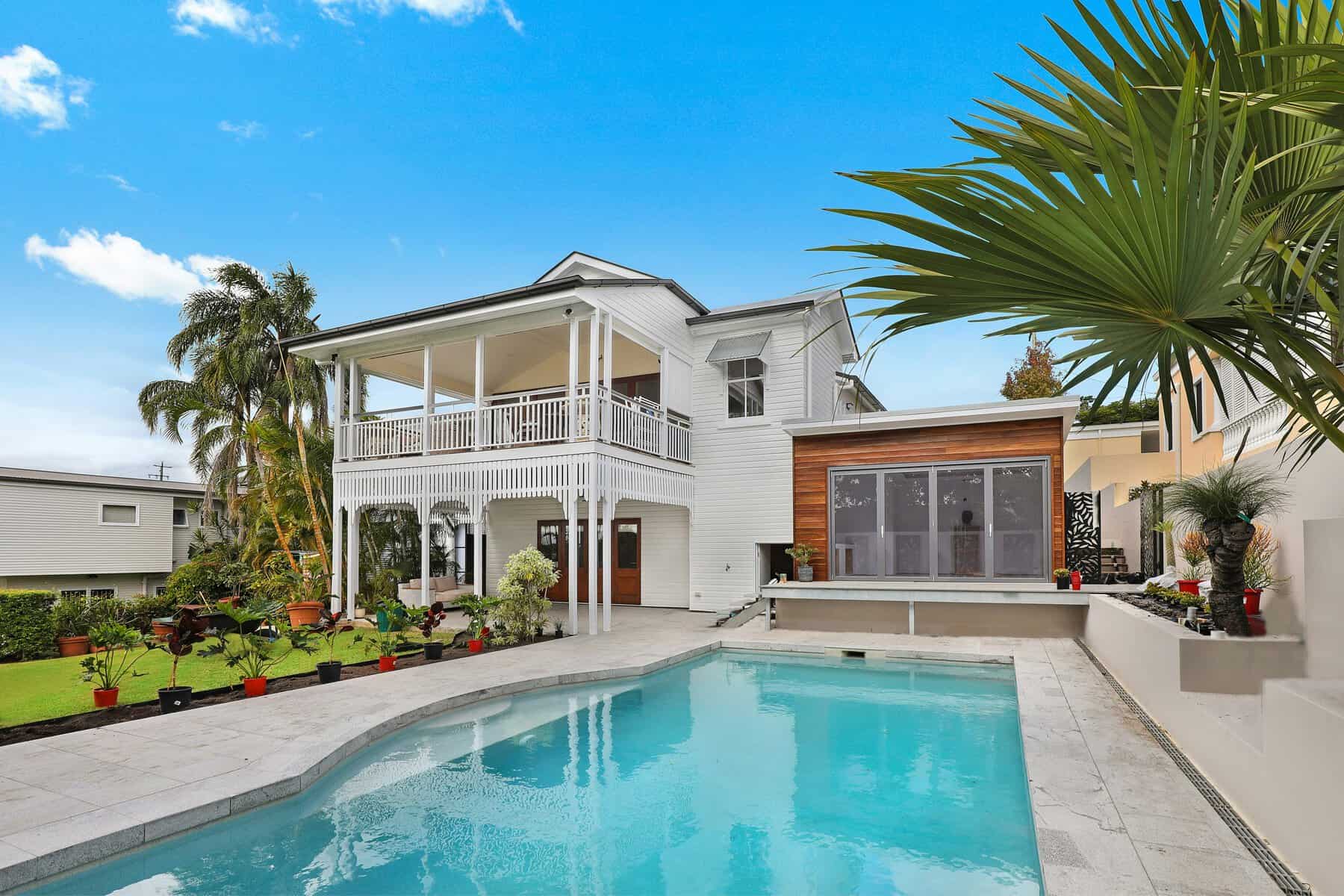
New federal budget tax changes are set to continue to put pressure on rental supply. Picture: Gaye Gerard
Mr Vines said that the recent taxation changes mean most existing owners have every reason to hold – “and that’s exactly what we’re seeing,” he said.
“But for vendors who do choose to transact, the shrinking supply of quality stock coming to market means they’re selling into the strongest buyer competition we’ve seen in years.”
Sydney’s bedsit rental market median weekly rents also saw an increase, reaching $535 in December 2025, which equates to a 51.5 per cent surge over three years, outpacing all other accommodation types.
This was higher in middle ring bedsits, up 67.7 per cent over five years.
“When bedsit rents rise 67 per cent in five years, the market finds a way to respond,” Mr Vines said.
“Co-living is that response — it’s delivering affordable, well-located housing for the people being priced out of traditional rental options, and investors are following the demand.”
MORE: ‘Foul’ Aus rule I can’t stand
Help us improve your reading experience
Got a minute? Your feedback will help us build a better experience for you.
Help us improve this page















 English (US) ·