
Australia is starting more homes, but industry experts warn rising costs and global pressures could slow progress.
The latest seasonally adjusted data from the Australian Bureau of Statistics (ABS) shows Australia started construction on more homes in the December 2025 quarter than in the previous three months.
According to the data, which tracks commencements, completions and homes under construction across October, November and December 2025, total new home starts rose 8% to 53,567 dwellings compared with the September quarter.
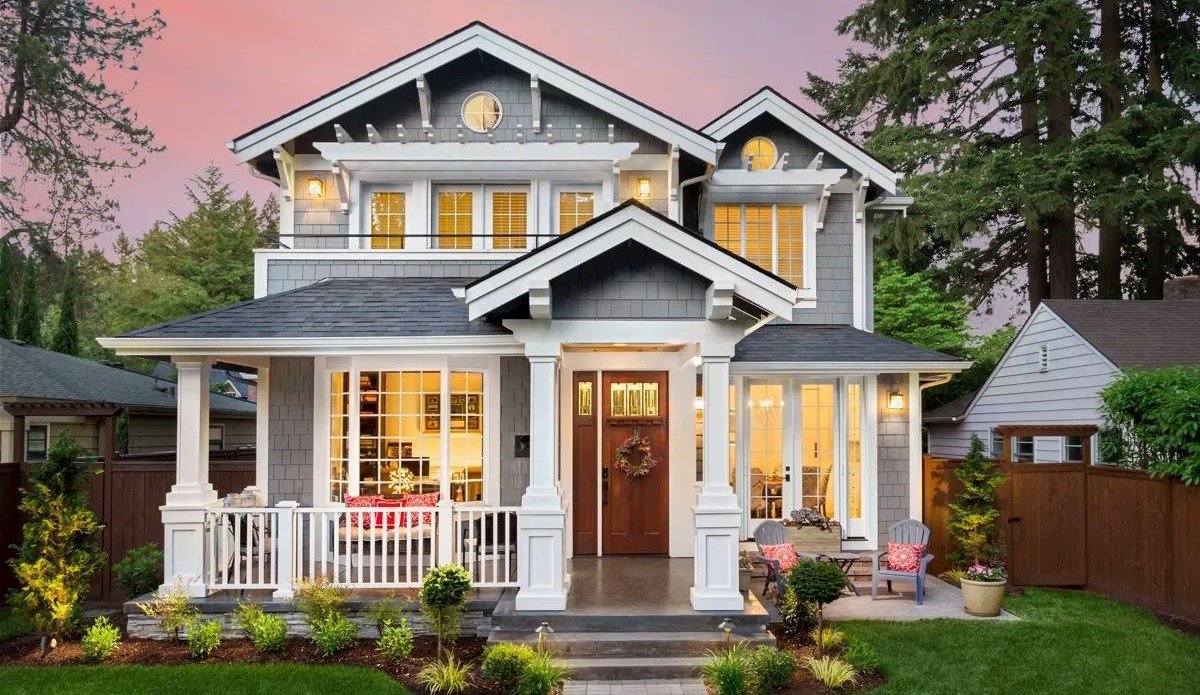
New home starts rose 8% to 53,567 dwellings in the December 2025 quarter. Picture: Unsplash
The increase was largely driven by higher-density construction, which jumped 23.4% over the quarter to 23,849 dwelling starts. In contrast, detached housing starts slipped 0.9% to 28,469 dwellings.
Overall, in the 12 months to the December 2025 quarter, new home starts rose 26.1%.
REA Group senior economist Anne Flaherty said even with fluctuations in detached housing, the segment remained a major contributor, rising 6% over the year.
“Houses still account for the majority of new dwelling commencements, at 54%, however the gap has shrunk,” Ms Flaherty said.
“While this is an improvement, it remains well below the 60,000 needed per quarter to achieve the Federal Government's Housing Accord target of delivering 1.2 million new homes in five years.”
In terms of completions, total dwellings finished fell 1.7% over the quarter to 43,536.
Detached house completions dropped 3.9% to 26,052 dwellings, while higher-density completions fell 1.1% to 16,172 dwellings.
Over the 12 months to December, total new home completions declined 3.9%.
Ms Flaherty said there were signs of improvement further along the pipeline.
“Positively, the number of new homes under construction has picked up over the past year, with 16% more homes commencing in 2025 compared to 2024. Dwellings other than houses were the primary driver of the rise, up 35% in 2025 vs 2024,” she said.
Building approvals show unpredictable start to 2026
The quarterly building activity figures follow a volatile start to the year for building approvals.
In 2026 so far, seasonally adjusted approvals fell 7.2% in January before rebounding 29.7% in February to 19,022 dwellings.
Building approvals rose 29.7% in February 2026 to 19,022 dwellings. Picture: Getty
ABS head of construction statistics Daniel Rossi said the rebound was driven by a 101.2% increase in higher-density approvals, including townhouses, apartments, terraces and semi‑detached homes.
“There have been a total of 195,434 dwellings approved, in original terms, over the past 12 months. This is a 9.0% increase on the 12 months prior to that,” Mr Rossi said.
Detached house approvals rose 0.2% in February to 9,847 dwellings, up 6.1% compared with February 2025.
“New South Wales recorded the largest rise in private sector house approvals, up 13.7% to the highest level since December 2023,” Mr Rossi said.
“In contrast, Queensland had the largest fall in February, down 13.4%.”
Industry warns costs could stall momentum
Industry groups say the outlook for both building activity and approvals remains cautiously positive, but warn global and domestic pressures could slow progress.
The Urban Taskforce of Australia noted that the December 2025 activity data pre-dated the conflict in the Middle East and two interest rate rises earlier this year.
“Developers, quantity surveyors and cost estimators are all reporting a spike in construction costs of between 10% and 15% since the start of the year,” Urban Taskforce Australia CEO Tom Forrest said.
“The feasibility of delivering housing was already holding new supply back. The impact of the war in Iran and the shock jump in diesel prices will cripple supply.”
The Housing Industry Association (HIA) said home building strengthened in 2025 as interest rates eased and unemployment remained low.
“With interest rates on the way back up, the task of increasing supply will depend on governments reducing the cost of delivering new homes to market in other ways,” HIA senior economist Tom Devitt said.
“This includes reducing taxes on housing, not increasing them. Housing is one of the most heavily taxed items in our economy along with the ‘sin taxes’ of alcohol and tobacco.”
Are you interested in the latest in buying and building new? Check out our dedicated New Homes section.


 English (US) ·