
Krista and Evie Matthews at Harvest Green Park in a new Roseworthy housing estate, built by Land Australia. Picture: Corporate Conversation.
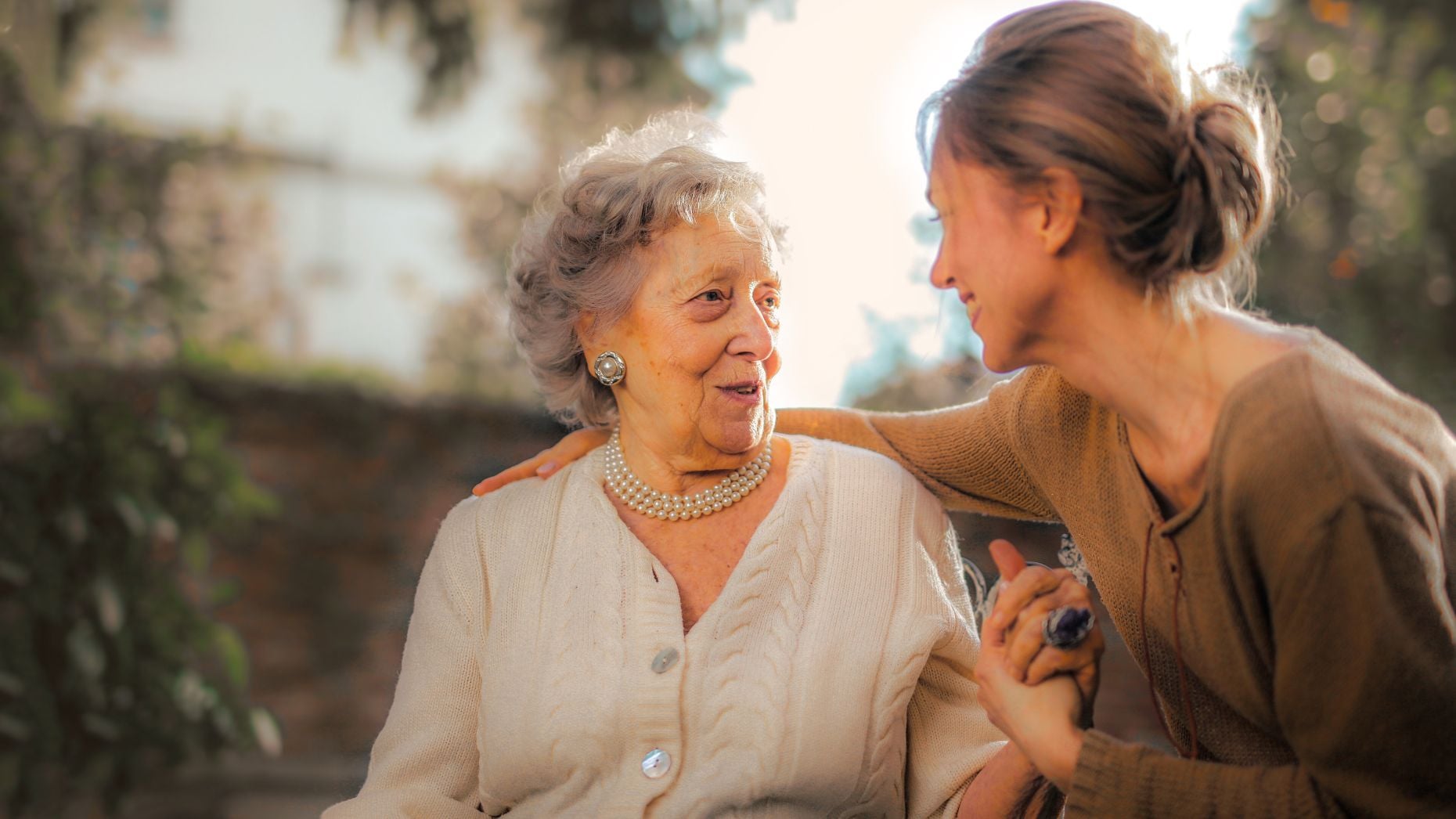
‘Healthy’ neighbourhoods with parks, playgrounds, community centres and easy access to public transport could be the key to curing Australia’s loneliness crisis.
Urban planning experts say the way neighbourhoods are currently designed, with homes crammed in to boost supply, is actually contributing to limiting social contact and fuelling isolation.
The Australian Institute of Health and Welfare website shows social isolation and loneliness impact around 15 per cent of Australians and are linked with physical health, higher psychological distress and unhealthy behaviours.
Town urban planning experts from global services firm Hatch, which specialises in urban planning, said poorly designed, car-dependant suburbs that limited social contact could fuel isolation while ‘healthy ‘hoods’ reduced loneliness.
It comes as SA’s re-elected Labor Government pushes to make it mandatory for new homes to have larger garages in a bid to get parked cars off overcrowded suburban streets.
Under the vehicle parking reforms, one-bedroom homes would be required to have one off-street car park while those with two or more would need to have at least two parking spaces.
Hatch urban solutions principal Angela Koepp said housing targets focused too heavily on supply and not enough on connection and community.
Giordano, Simon, Amy and Santino Sofia at Harvest Green Park. Picture: Corporate Conversation.
“To achieve healthy ‘hoods we need healthy communities and individuals – and the solution lies in reimagining neighbourhoods to prioritise social connection, cultural inclusion and physical access,” she said.
“That means walkable places, vibrant shared spaces and community-centred planning – backed by meaningful engagement.”
Ms Koepp said they consulted communities before designing neighbourhoods to determine what residents loved and what they wanted fixed.
They generally prioritised spaces that supported wellbeing, including parks, playgrounds, community centres, easy access to transport and places for art, worship and gathering.
Hatch economics principal and non-profit Green Cross Australia board member Leigh Holford said it was important to put people first.
MORE NEWS
Adelaide’s commute now longest in Australia
Regional cities’ plea for skilled workers and families
Radical change needed to tackle housing crisis
“Good, health-conscious design should activate public space, encourage connectivity through community events, have access to transport options, encourage mobility, reduce heat via green canopies, and support the economy,” she said.
“We’re seeing a growing body of data showing that loneliness is linked to poor health behaviours and premature death.
“And what’s needed is a rethink of how we design for social, cultural and physical wellbeing – and that means putting people, not just buildings, at the centre.”
Open spaces and playgrounds are a major feature of housing developments by Land Australia, which is part of the Hickinbotham Group.
Hickinbotham Group managing director Micheal Hickinbotham said fostering social connection was at the heart of their philosophy.
“Critical to our masterplanned housing communities is laying the foundations for these connections to be formed by ensuring recreational amenities are in place right from the start,” he said.
Mr Hickinbotham said they have committed more than $6m to two playgrounds at Roseworthy in the Evergreen and Flourish estates, and the recently opened Sea Turtle Park at Sunset in Port Noarlunga.
“Two Wells is also home to our Tails and Trails Dog Park, a 4500sqm, fully-fenced park designed to keep large and small dogs separated, with dedicated entrances, play spaces and amenities,” he said.
“With 3000 families eventually calling the Liberty and Eden estates home at Two Wells and another 750 families moving into Roseworthy, we have a responsibility to ensure our housing communities foster a sense of belonging and connection through playgrounds, dog parks and green space.”




 English (US) ·