
Garages tend to be the most misunderstood square footage in a home. It’s half storage graveyard, half “someday project” that never quite happens. Homeowners often wonder if pouring money into concrete floors, insulation, and fresh drywall will ever come back to them when it’s time to sell. Others worry they’ll over-improve a space buyers might still just use to stash holiday decorations and broken treadmills. That’s why many wonder: Does a finished garage add value?
The answer isn’t always straightforward, but it’s exactly what makes the upgrade worth unpacking.
Renovating? Check your home value first
How much is your home worth today? In as little as two minutes, HomeLight can provide you with a preliminary estimate of value in preparation of your plans to renovate, remodel, or make repairs.
What is a “finished” garage anyway?
First, let’s define what the term “finished garage” means.
“A finished garage doesn’t have open and exposed beams. It’s drywalled, and in some cases, the walls are textured and painted,” explains Ryan McKee, an experienced Los Angeles-based agent who’s sold several properties with finished garages.
“For some people, there’s an extended definition for a finished garage [..] It’s finished to a livable condition to use as an extra bedroom, a bonus room, or a rentable space. However, most call those converted garages.”
In other words, a finished garage is a garage that has been upgraded beyond a basic storage space to include interior finishes similar to the rest of the home. This includes features like drywall, insulation, painted walls, proper flooring, lighting, and sometimes heating or cooling.
While it remains primarily a garage, it feels cleaner, more polished, and more usable for activities beyond parking. A finished garage is not the same as a converted garage, which is redesigned for full-time living space.
Finished vs. converted garage: How each impacts your home’s value
A finished garage can add a bit of value, but it’s usually more of a “nice bonus” than a “big price jump.” Buyers tend to like it because it feels cleaner, more put-together, and less like a cobweb-filled storage zone.
A converted garage, on the other hand, can sometimes boost value if it becomes real usable living space like a bedroom or rental unit. However, it can also easily backfire. A house without a functional garage will decrease in value and make it harder to sell.
“I’ve actually had an experience on a converted garage where it detracted from the value of the house,” recalls McKee.
“The seller had converted the garage into a large bonus room, but it didn’t have an attached bathroom, and its location within the house was awkward. To sell the house, he had to convert it back to a functional garage.”
In many neighborhoods, losing a functional garage can hurt resale appeal more than the added living space helps.
Meanwhile, a finished garage won’t hurt your home’s value, but it probably won’t increase its value, either.
“Whether or not a finished garage adds value to a house is pretty subjective. Depending on my clientele, one may not care at all, and to another it means everything,” says McKee.
Ultimately, it depends on what buyers in your area prioritize: extra usable interior space or essential parking and storage.
Finished vs. detached garage: How each impacts your home’s value
Building on the discussion of finished versus converted garages, a finished garage and a detached garage can both add value, but in very different ways. A finished garage usually wins points for looking cleaner, brighter, and more functional, especially when it blends seamlessly with the rest of the home instead of feeling like a dusty catch-all space.
Detached garages, meanwhile, tend to attract buyers who prioritize extra storage, workshop space, privacy, or parking flexibility. In some markets, a detached garage can even carry more value because it frees up noise, clutter, and hobby chaos from the main house. But if the detached garage is unfinished or feels more like a shed than a functional space, buyers may not see it as much of a perk.
At the end of the day, the bigger value booster is less about attached versus detached and more about whether the garage feels useful, well-maintained, and practical for everyday life.
How garage value depends on your local housing market
Not all garages are created equal, at least when it comes to resale value. How much a finished or detached garage boosts your home’s worth really depends on where your house sits on the map.
- Cold-weather markets: In areas with harsh winters, garages are a must-have for protecting cars from snow, ice, and bitter temperatures. Buyers here often place a premium on covered parking, making a finished garage more valuable than just extra storage space.
- Urban areas with limited parking: When street parking feels like a treasure hunt, a garage can be worth its weight in gold. Even a basic finished garage can sway buyers who need guaranteed parking in crowded cities.
- Luxury markets: In high-end neighborhoods, a finished garage isn’t a bonus. It’s expected. Buyers in these markets are looking for clean, climate-controlled, and sometimes even showroom-worthy spaces for their vehicles, so a subpar garage can actually hurt your appeal.
- Rural markets: In rural areas, buyers often care less about polished finishes and more about practicality and space. A garage that can handle tools, equipment, outdoor gear, or weekend projects may carry more value than one designed mainly to look sleek and finished.
Appraisers weigh garages based on local demand and buyer priorities, not just square footage. That means the same finished garage could be a headline feature in one town and barely a footnote in another.
How much does it cost to finish the garage?
Aside from textured and painted drywall, finished garages also tend to have other bells and whistles, too, like resurfaced flooring and built-in storage.
Once you start adding all of those extras onto the project, finishing your garage will cost you around $5,000 on average, depending on how many extras you add. Five grand is a whole lot of money to spend on a room primarily used for parking cars.
So, the bottom line is: it’s not worth the money to finish the garage right before you sell.
For most home sellers, a thorough cleaning and some smart organization are all the garage really needs. The money you’d spend fully finishing the space is often better invested in home improvement projects with a stronger return on investment.
That being said, there are some cases where a finished garage is a must-have, say if you’re selling a $1.5 million luxury home, or you live in an area where all of your neighbors have finished garages.
Why you must get professional advice before making any moves
A top local real estate agent will be able to tell you for sure if a finished garage will increase a home’s value in your neighborhood based on their experience with buyer trends and popular home renovations for your area and price point.
For example, if your house already has a finished garage in an area where they aren’t expected or valued, it can still be a valuable asset. A finished garage is also a bonus for buyers that’s worth highlighting in your marketing materials. Extras like that may just be the tipping point needed to bring buyers in to see your house instead of your competition.
There actually is a niche market for finished garages (although it’s pretty microscopic, even for a niche). You might find the rare buyer who will pay more for a finished garage, say a hobbyist who’ll use it as a workshop, or a gearhead mechanic who’ll want a polished place for their classic cars.
On the other hand, a local real estate pro might tell you not to bother, and then you’ve saved several thousand dollars.
Smaller projects to make your garage shine
If a full garage refinish doesn’t make sense for your budget or goals, consider a few smaller upgrades that can improve the space’s appearance and functionality without taking on a major renovation.
1. Replace your old garage door
One garage upgrade that can deliver a strong return on investment (ROI) is swapping out that aging, back-breaking garage door for a newer, smoother-operating model. Replacing the garage door can add about $12,507 in resale value, delivering an impressive 268% cost recouped on an average project cost of $4,672.
Haul away the old door and worn tracks, then install a new multi-panel door on durable galvanized steel tracks, while keeping your existing automatic opener in place so it can continue working as usual.
2. Resurface stained concrete with stain-resistant epoxy
Remember those micro-niche buyers who might just pay more for a finished garage? If you aim to sell to that niche, your finished garage needs a floor that can stand up to heavy use, like an epoxy floor.
“A lot of buyers wouldn’t pay a dollar over list price for a finished garage, unless the buyer is a car guy or someone very serious about the garage,” explains McKee.
“If you’ve got a finished garage with epoxy flooring, that may not really have any inherent value, but it has a subjective value and the right buyer will pay $10,000 extra to have it.”
While there are several garage flooring options out there, epoxy is a top choice because of its sleek look, relatively simple installation process, and low cost.
Epoxy is a system made from resin and hardener that, once mixed, forms a strong, plastic-like surface. It resists oil stains and won’t peel the way paint often does under hot car tires.
On average, epoxy flooring costs between $1,650 and $3,492. Contractors typically charge between $50 and $150 per hour for installation. DIY epoxy flooring kits are also an option. You can grab the materials and do the job yourself for roughly $2 to $5 per square foot.
3. Add storage with shelves or cabinets
Garages tend to collect everything that doesn’t quite have a home inside the house, which is how clutter builds up fast. Without a proper system in place, even a clean garage can start feeling chaotic again within weeks. Adding shelves or cabinets is one of the simplest ways to bring order back and make the space more functional.
You can get basic plastic or metal garage shelves for as low as $70 per unit. Plastic garage cabinets that keep clutter tucked away behind closed doors aren’t much more expensive, typically ranging from about $100 up to $250 per unit.
Adding storage to your garage doesn’t even need to be that expensive, especially if you’re already upgrading your kitchen before selling your house. Instead of throwing the old ones away, you can repurpose a few cabinets and a section of countertop to create simple garage storage and even a small work surface.
4. Install energy-saving insulation, then finish those walls
It’s a given that homes are insulated against the weather, but most unfinished garages aren’t.
Whether it’s freezing winter snow or scorching summer heat, if you live in an area with extreme weather, insulation is worth considering. It becomes especially important if your garage includes features like a workbench or other setups that turn it into a space where you’ll spend real time.
Hiring a professional to insulate a garage isn’t cheap, with costs typically ranging from $800 to $5,100 for the walls and ceiling of a two-car garage. If you’re looking for a more budget-friendly approach, DIY garage door insulation kits are a solid alternative, usually priced between $50 and $200.
These kits often include foam panels, fiberglass batts, or reflective foil that you can use to retrofit an existing door. They’re easy enough for a weekend project, though they still don’t quite match the efficiency of a factory-pre-insulated garage door.
5. Hook your garage up with heat and air conditioning
Insulation can only do so much to keep the garage warm in the winter and cool in the summer. The only way to really control the temp of your finished garage is by adding heating and air-conditioning to the space.
If the garage you’ve just insulated is attached to your home, adding conditioned air may be as simple as extending the vents of your existing HVAC out to the garage.
Extending existing ventilation out to your attached garage can cost anywhere from $450 to $2,200, depending on how close the ventilation shafts are to the garage.
For freestanding garages, you can both heat and cool the space with one window air-conditioning unit, which you can get for under $200.
Sell your house faster and for more
Thinking about selling soon? We’d be happy to introduce you to a few top local real estate agents. Our service is 100% free, with no catch. Agents don’t pay us to be listed, so you get the best match.
So… does a finished garage actually move the needle?
A finished garage can improve how a home looks and functions, but it doesn’t always translate into a big jump in resale value. It can absolutely make your home more appealing, cleaner, and more functional, but it’s not always a guaranteed ticket to a higher sale price.
In many cases, buyers care just as much (if not more) about practical things like storage, parking, and overall use. The real value boost usually comes from targeted upgrades, like insulation, flooring, or a smart storage setup, rather than turning the garage into a full-blown remodel. That’s why it pays to be strategic before you start knocking down walls or buying gallons of epoxy.
Before you pick up a paint roller or start a weekend project, check what your home is actually worth with HomeLight’s Home Value Estimator.
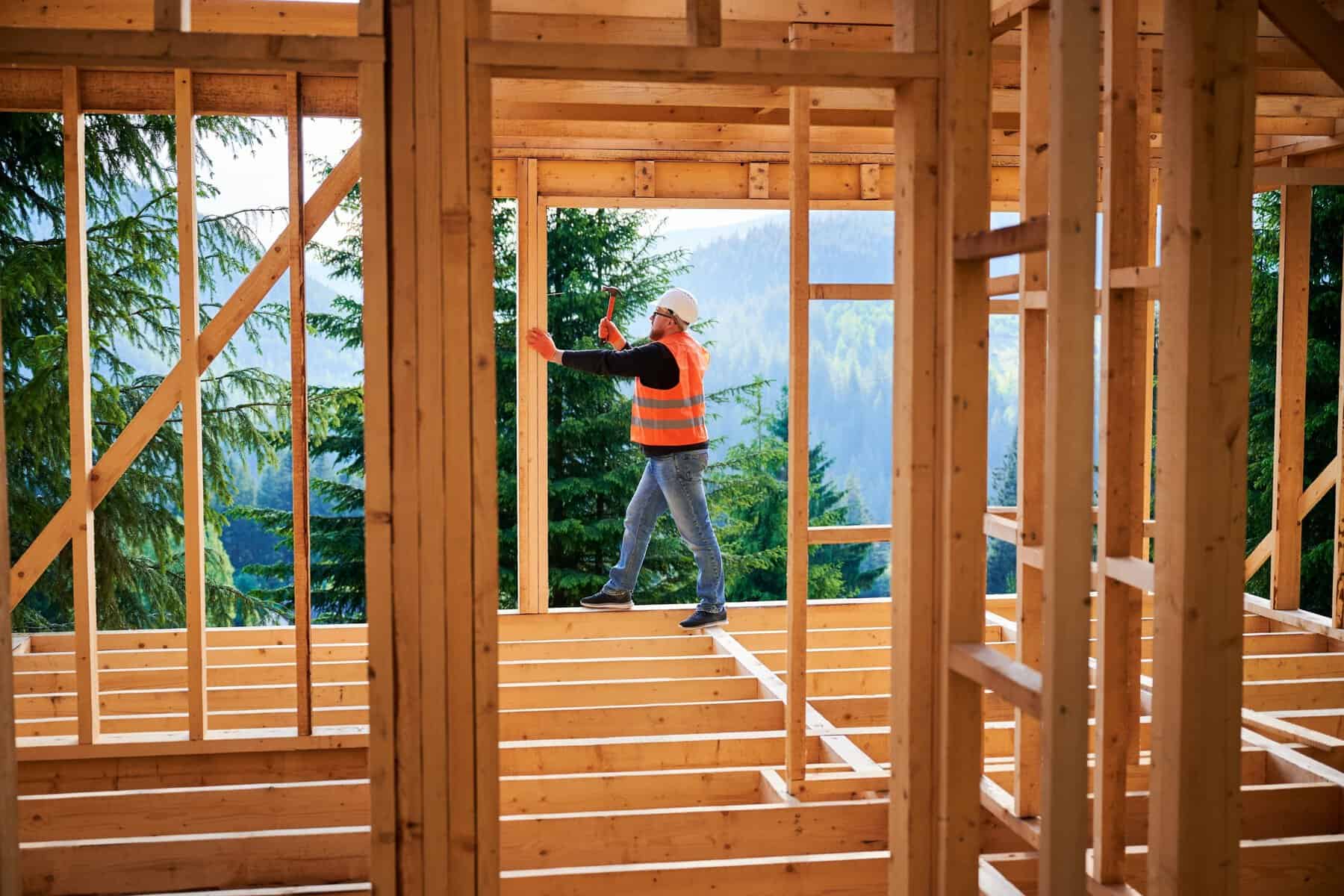
Header Image Source: (Dimasik_sh / Shutterstock)







 English (US) ·